
10 Day Colombia Itinerary: Bogota, Medellin & Cartagena + Free Google Sheets Template
Matt - September 19, 2026
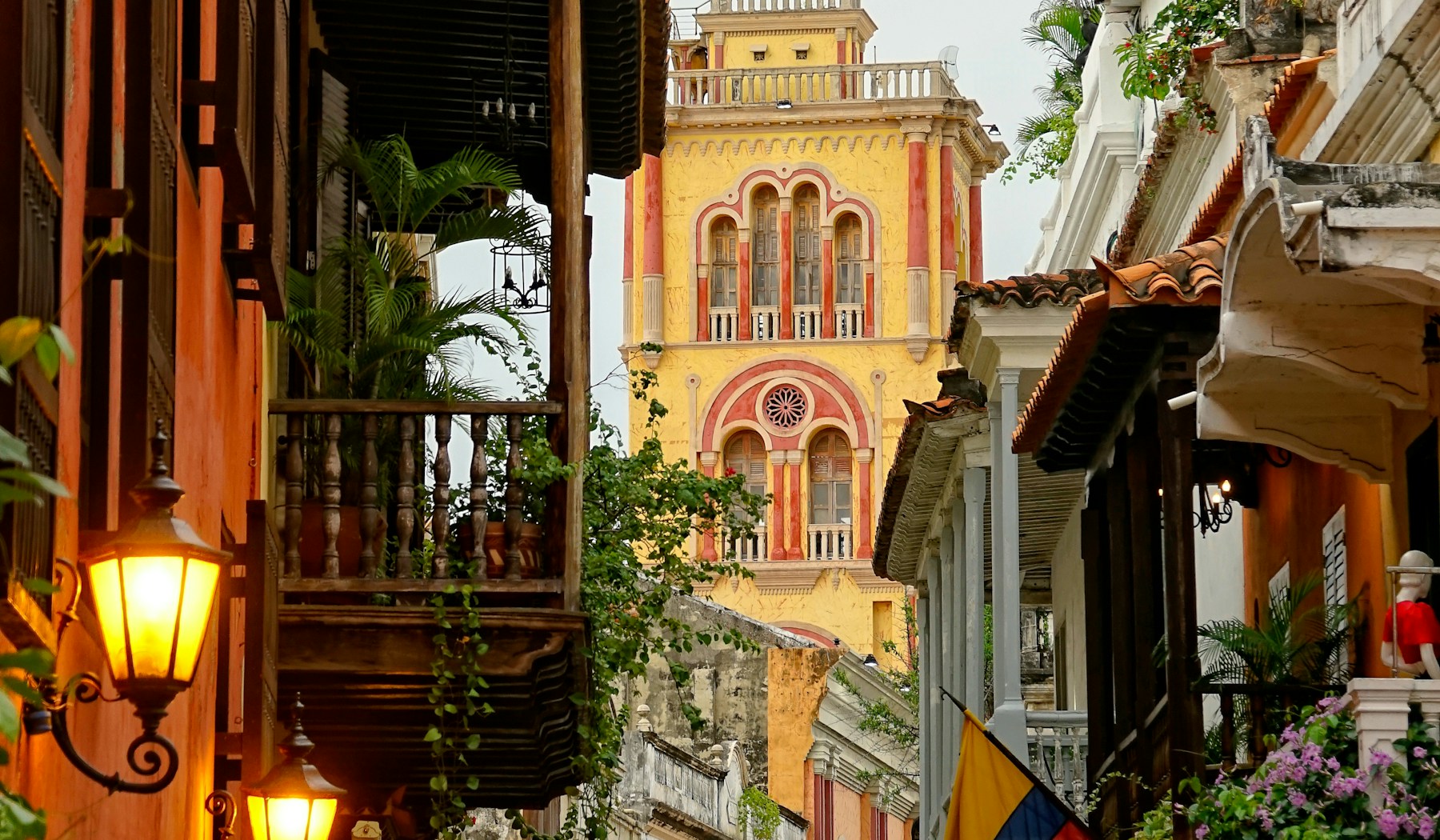
Ten days in Colombia gives you time for three distinct bases: Bogota in the Andes, Medellin in the Aburra Valley, and Cartagena on the Caribbean coast. This itinerary uses three nights in Bogota, four in Medellin with a Guatape day trip, and three in Cartagena with a Rosario Islands boat day.
The route begins with museums, markets, historic streets, and a Monserrate viewpoint in Bogota. Medellin adds public art, city history, Metro and cable-car rides, and the reservoir landscape around Guatape. Cartagena finishes the trip with the Walled City, Getsemani, the fortifications, and a full day on the water.
You can use the free 10 Day Colombia Itinerary Google Sheets template as the itinerary for your own trip. It includes the scheduled plan, specific locations, official links, lodging bases, flight and transfer notes, unscheduled alternatives, packing items, pre-trip tasks, costs, and sample cost-splitting rows.

Itinerary Outline
- Day 1: Arrive in Bogota and walk through La Candelaria
- Day 2: Gold Museum, Botero Museum, and Monserrate
- Day 3: Paloquemao Market, the National Museum, and Usaquen
- Day 4: Fly to Medellin and visit the botanical garden
- Day 5: Plaza Botero, Museo de Antioquia, the Metro, and Parque Arvi
- Day 6: Comuna 13 and Museo Casa de la Memoria
- Day 7: Guatape and Piedra del Penol day trip
- Day 8: Fly to Cartagena, explore Getsemani, and walk the city walls
- Day 9: Walled City, Palacio de la Inquisicion, and Castillo San Felipe
- Day 10: Rosario Islands day trip and departure
The sequence moves from the coolest and highest-elevation base to the warm Caribbean coast. Domestic flights connect the three cities, and each lodging base gives you several days to explore before the next transfer.
Best time and pacing for a Colombia trip
Colombia's climate varies more by elevation and region than by a single national season. Bogota is cool throughout the year and often has rain or changing cloud cover. Medellin is warmer, with spring-like temperatures and periodic rain. Cartagena is hot and humid, so early starts, midday breaks, and lighter evening plans make the historic center more comfortable.
December through March and July through August are commonly drier periods in several parts of the country, though weather patterns vary by region and year. Popular holiday periods can bring higher demand for flights, central hotels, and island trips. Check current forecasts for all three cities shortly before departure and pack for cool Bogota mornings, warm Medellin afternoons, and tropical Cartagena weather.
The sample itinerary uses February dates. Museum closure days, cable-car operations, boat schedules, and attraction hours can change, so confirm the official schedule for your exact dates before booking timed activities.
Day 1: Arrive in Bogota and explore La Candelaria
Arrive at El Dorado International Airport and transfer to a hotel in Chapinero, Zona G, or another neighborhood with convenient restaurant and taxi access. Chapinero is a practical first base because it places you between the airport, the historic center, and the northern neighborhoods used later in the itinerary.
Begin in Plaza de Bolivar, Bogota's main civic square. The cathedral, Capitolio Nacional, Palacio de Justicia, and colonial facades around the square introduce the city's political and architectural history. Continue through La Candelaria, where steep streets, restored houses, universities, churches, murals, cafes, and small cultural spaces fill the historic center.
Keep dinner near your lodging after the flight and airport transfer. Zona G has a broad choice of restaurants, while the areas around Quinta Camacho and Parque de los Hippies work well for a more casual first evening.
Day 2: Gold Museum, Botero Museum, and Monserrate
Start at the Museo del Oro, whose galleries cover pre-Hispanic metalwork, regional cultures, archaeological context, and the techniques used to create the collection's gold objects. Allow about two hours and check the museum's current weekly closure day before setting the itinerary.
Walk into La Candelaria for the Museo Botero. The collection combines works donated by Fernando Botero with international art in a restored colonial building. The nearby cultural complex also includes the Casa de Moneda and the Luis Angel Arango Library, making it easy to add another indoor stop based on time and interest.
After lunch, travel to Monserrate. The mountaintop church and terraces overlook Bogota and the surrounding Andes. Review the official Monserrate schedule for the funicular and cable car, and check the weather before leaving the historic center because cloud cover can change the view.

Return to Chapinero for dinner. The museum and viewpoint combination fills the day comfortably, with the evening available for a relaxed meal near the hotel.
Day 3: Paloquemao Market, the National Museum, and Usaquen
Go to Paloquemao Market in the morning, when the produce, flower, fruit, meat, and prepared-food stalls are active. It is a useful place to see ingredients from Colombia's different regions and try unfamiliar tropical fruit. A guided market visit can add context, while an independent visit works well when you already know which areas and foods you want to explore.
Continue to the Museo Nacional de Colombia, housed in a former prison near Parque de la Independencia. Its collections connect archaeology, history, art, and national identity. Check current exhibitions and visitor hours before the trip.
Spend the afternoon in Usaquen. On Sundays, the neighborhood market brings craft stalls and food vendors around the streets near Parque de Usaquen. The area also has cafes, restaurants, and a compact center that suits a slower final afternoon in Bogota.
The Salt Cathedral of Zipaquira is the main full-day alternative. Choose it for underground chambers, monumental crosses, and the former salt-mine setting. It requires most of a day once transport from Bogota is included, so it works best in place of the market, museum, and Usaquen plan.
Day 4: Fly to Medellin and visit the botanical garden
Take a morning flight from Bogota to Jose Maria Cordova International Airport in Rionegro. The airport is outside central Medellin, so include the road transfer when planning your arrival time. Colombia's official transport overview is a useful starting point for the country's air and ground connections.
Stay in Laureles for restaurants, residential streets, and Metro access, or choose El Poblado for a larger concentration of hotels and nightlife. After checking in, visit the Jardin Botanico de Medellin. The gardens include tropical plant collections, open lawns, shaded paths, and the Orquideorama structure, making them a comfortable first stop after the flight and airport transfer.
Have dinner near the hotel. In Laureles, Avenida Jardin and Segundo Parque have many options within a compact area.
Day 5: Plaza Botero, Museo de Antioquia, and Parque Arvi
Begin in Plaza Botero, where a group of Fernando Botero's large bronze sculptures fills the public square. The neighboring Museo de Antioquia adds regional art, historical context, and more of Botero's work. Arrive near opening time so the museum and outdoor sculptures fit comfortably before lunch.
Use the Medellin Metro to continue north, then ride the Metrocable toward Santo Domingo and Parque Arvi. The cable-car journey opens broad views across the Aburra Valley and shows how hillside neighborhoods connect with the city center.
At Parque Arvi, choose a walk or guided activity that matches the day's weather and operating hours. The park covers a large highland landscape, and the visitor areas include trails, forest, local vendors, and archaeological and cultural interpretation.

Return by Metro and have dinner in Laureles. If the weather does not suit Parque Arvi, the Medellin Museum of Modern Art and the restaurants around Ciudad del Rio make a convenient city-based alternative.
Day 6: Comuna 13 and Museo Casa de la Memoria
Book a responsible local guide for a morning walk in Comuna 13. Tours commonly focus on public art, viewpoints, outdoor escalators, neighborhood history, local businesses, and the community-led changes that shaped the area. A smaller group and a guide with strong local ties can provide more context for the streets and projects you visit.
Have lunch near San Javier, then continue to Museo Casa de la Memoria. The museum documents Colombia's armed conflict, its impact on Medellin and Antioquia, the experiences of victims, and the city's civic memory. It adds important historical context to the changes discussed during the morning tour.
Use the evening for Laureles or another neighborhood that interests you. Pueblito Paisa on Cerro Nutibara is an optional viewpoint, while Mercado del Rio works as an unscheduled meal stop near Ciudad del Rio.
Day 7: Guatape and Piedra del Penol day trip
Leave Medellin early for Guatape by intercity bus or pre-booked transport. Public buses generally depart from Terminal del Norte; confirm the current departure and return schedules close to your trip. Private transport can simplify an early start and give you more control over the order of the rock and town visits.
Begin at Piedra del Penol. The staircase leads to viewpoints over the reservoir's winding shoreline, green islands, and surrounding hills. Set a pace that suits the climb and weather, then continue to Guatape for lunch.

Guatape is known for colorful zocalos, the painted relief panels along the lower walls of its buildings. Walk through Plazoleta de los Zocalos, the main square, side streets, and waterfront. The town's bright facades and lakeside setting make a strong complement to the wider reservoir views from the rock.
Return to Medellin in the afternoon or early evening. Confirm the final bus departure or driver pickup before exploring the town so the return timing is clear.
Day 8: Fly to Cartagena and explore Getsemani
Allow time for the road transfer from central Medellin to Jose Maria Cordova International Airport, then take a morning flight to Cartagena. From Rafael Nunez International Airport, the Walled City and Getsemani are a short city transfer away.
Stay inside the historic center for immediate access to plazas, churches, walls, museums, and restaurants, or choose Getsemani for colorful streets, murals, small hotels, and lively evenings around Plaza de la Trinidad. Both areas are walkable and work well for the final three nights.
Explore Getsemani in the cooler late afternoon. Walk through Plaza de la Trinidad, Calle de la Sierpe, Calle San Juan, and the lanes around the neighborhood's murals and cafes. Continue to Baluarte de Santo Domingo or another section of the walls for sunset over the Caribbean, then have dinner in the Walled City.
Day 9: Walled City and Castillo San Felipe
Start early at Torre del Reloj and walk through Cartagena's historic center while the streets are cooler. The plazas, balconies, churches, colonial houses, and defensive walls form part of the UNESCO World Heritage listing for the port, fortresses, and monuments of Cartagena.
Visit the Palacio de la Inquisicion museum on Plaza de Bolivar if its current hours fit the morning. Continue through Plaza Santo Domingo and the streets toward the western walls, then stop for lunch in the center.
Spend the later afternoon at Castillo San Felipe de Barajas. The fortress rises above the approach to the old city and includes ramps, batteries, tunnels, and views toward the historic center. Carry water and allow time to explore the fortifications at a comfortable pace.

Return to Getsemani for dinner. Reserve priority restaurants in advance, particularly for Friday and Saturday evenings.
Day 10: Rosario Islands day trip and departure
Book a licensed operator for a Rosario Islands day trip and confirm the exact island, departure pier, boat type, meals, snorkeling equipment, park fees, and return time. Tours commonly depart from Muelle de la Bodeguita in the morning. Review current conditions and visitor guidance from Colombia's national parks authority, since weather and marine conditions can affect the day.
The archipelago is part of a protected marine area with coral reefs, mangroves, seagrass beds, and small islands. Choose a trip whose pace and activities match your interests, whether that is snorkeling, beach time, or a quieter island stay.
For an evening departure, keep a generous buffer between the scheduled boat return and the airport transfer. An additional Cartagena night gives you the most flexible version of the island day, especially when your international flight leaves early or marine conditions may affect timing.
Where to stay in Bogota, Medellin, and Cartagena
Bogota
Chapinero and Zona G are practical for restaurants, hotels, and taxi access across the city. La Candelaria places you close to the historic center and museums, with steeper streets and a quieter evening profile. Usaquen suits travelers who prefer a neighborhood base in northern Bogota with cafes and restaurants nearby.
Medellin
Laureles has a residential feel, broad restaurant choice, and access to the Metro through nearby stations. El Poblado has the largest concentration of hotels, restaurants, nightlife, and visitor services. A location near a Metro station is helpful for Plaza Botero, San Javier, the Metrocable, and other parts of the city.
Cartagena
The Walled City is the most convenient base for the historic plazas, churches, walls, and museums. Getsemani offers smaller hotels, murals, cafes, and evening activity within walking distance of the old city. Bocagrande has modern hotels and a beachfront setting, with taxi rides required for many historic-center visits.
Flights, local transport, and booking logistics
An open-jaw international ticket into Bogota and out of Cartagena fits this route well. Book separate domestic flights from Bogota to Medellin and Medellin to Cartagena after the lodging dates are settled. Compare baggage allowances as well as fares, since domestic ticket types can include different cabin and checked-bag rules.
Bogota's TransMilenio system covers many corridors, while taxis or app-arranged rides can be practical for the airport and routes that require transfers. Medellin's integrated Metro and cable-car network is central to the itinerary. In Cartagena, the Walled City and Getsemani are walkable, and taxis cover the airport, fortress, and other locations outside the historic core.
Book the Comuna 13 guide, Guatape transport, priority Cartagena restaurants, and Rosario Islands operator once your dates are firm. Confirm museum closure days and the current operating schedules for Monserrate, Medellin's cable cars, Parque Arvi, and major attractions.
Optional ideas and route swaps
In Bogota, the Salt Cathedral of Zipaquira can replace Day 3, and the Luis Angel Arango Library fits naturally beside the Botero Museum. A coffee tasting in Chapinero is easy to schedule around a lighter afternoon.
In Medellin, the Museum of Modern Art works well for art and design, Pueblito Paisa adds a city viewpoint, and Mercado del Rio provides a flexible meal stop. Travelers with another full day could keep the Guatape overnight, adding a quieter evening and morning beside the reservoir.
In Cartagena, Convento de la Popa offers a higher viewpoint over the city. A guided Bazurto Market visit introduces a busy local food market, while San Basilio de Palenque makes a full-day cultural excursion focused on the history and living traditions of the first free town established by formerly enslaved people in the Americas.
What the Colombia Google Sheets itinerary template includes
- A scheduled 10-day Bogota, Medellin, Guatape, and Cartagena itinerary
- Unscheduled alternatives for museums, markets, viewpoints, restaurants, and day trips on the Itinerary tab
- Specific locations, official links, lodging notes, flight and transfer reminders, and booking details
- A packing list and pre-trip checklist tailored to the route's different climates and activities
- Cost fields and sample split-cost rows for lodging, domestic flights, Guatape transport, and the Rosario Islands
For a general planner you can adapt to any trip, see the free Google Sheets travel planner and itinerary template.
How Travel Mapper helps with a Colombia trip
The free template keeps the itinerary, lodging bases, links, costs, packing list, and trip notes together in Google Sheets. Travel Mapper for Google Sheets adds the map view so you can review how each day's locations fit together across Bogota, Medellin, Guatape, and Cartagena.
Map review is especially useful in this itinerary because the trip includes airport transfers, three city bases, a highland day trip, and a boat departure. Categories give the pins different colors for lodging, transport, food, and activities, making the daily mix easier to scan.
The add-on also includes drag-and-drop itinerary editing, Google Maps place autofill, emailing the itinerary, and exporting destinations to Google My Maps. The full add-on is available to try for seven days. After the trial, the basic Google Sheets template remains available and you can continue generating templates for free.
The Travel Mapper Chrome extension can add a place from a page you are researching to your itinerary. If you want to review or edit the trip from your phone while traveling, the Travel Mapper web app works in a mobile browser.
Colombia itinerary FAQ
Is 10 days enough for Bogota, Medellin, and Cartagena?
Yes. Ten days supports three nights in Bogota, four in Medellin including Guatape, and three in Cartagena including the Rosario Islands. The two domestic flights keep travel days compact and leave useful time in each city.
Should I visit Bogota or Medellin first?
Bogota works well as the first stop when your international flight arrives there. The route then continues to Medellin and finishes in Cartagena, creating a clear Andes-to-Caribbean sequence with an international departure from Cartagena.
Do I need a rental car for this Colombia itinerary?
No. Domestic flights connect the three bases, and city transit, taxis, app-arranged rides, buses, guided transport, and boat operators cover the activities in the plan. A rental car is not required for the route shown in the template.
Where should I add extra days?
Add a day in Cartagena for a more flexible Rosario Islands outing, or add a night in Guatape for more time around the reservoir. An extra Bogota day works well for the Salt Cathedral of Zipaquira, while an extra Medellin day can cover museums or another neighborhood.
What should I book first?
Book the international and domestic flights, then reserve lodging in all three bases. Next, secure the Rosario Islands operator, Comuna 13 guide, Guatape transport, and any priority restaurants or timed attractions.
Can I customize the Colombia itinerary template?
Yes. Open the free Colombia itinerary template, make your own copy, and adjust the dates, lodging, stops, notes, and costs for your trip.
Get the free Colombia itinerary template
The itinerary is also available as a free Google Sheets template you can copy and customize. Start with the day-by-day plan, then add Travel Mapper when you want to review the itinerary on a map and use the add-on's planning tools.