
10 Day Costa Rica Itinerary: Arenal, Monteverde & Manuel Antonio + Free Google Sheets Template
Matt - August 10, 2026
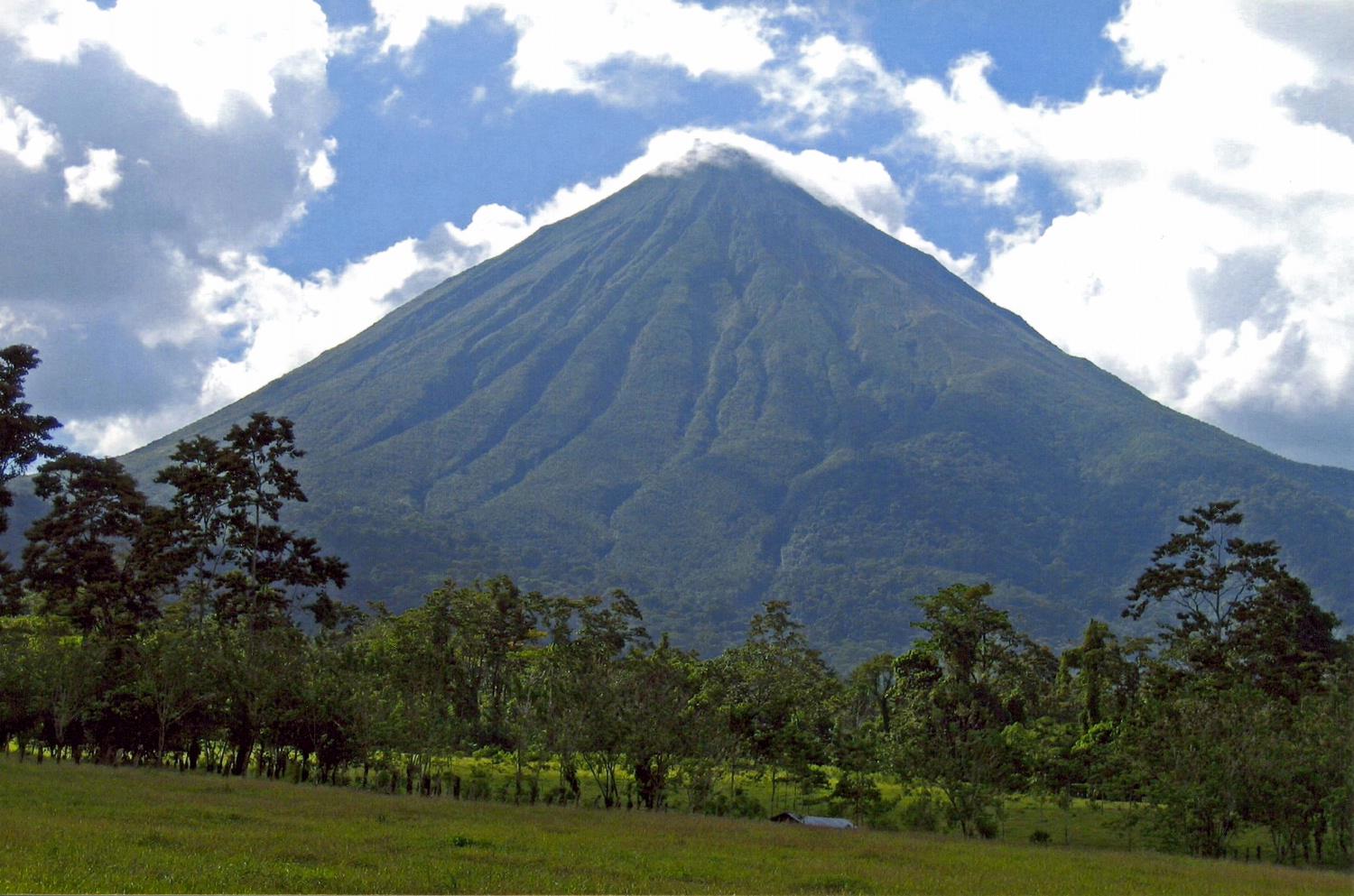
Costa Rica works especially well as a trip built around a few strong bases. This 10 day Costa Rica itinerary starts near San Jose, continues to La Fortuna and Arenal, climbs into Monteverde's cloud forest, and ends on the Pacific coast around Manuel Antonio and Quepos.
The route is designed for a first trip that wants a mix of volcano scenery, rainforest, wildlife, beaches, and time in the places along the way. Three nights in La Fortuna, two in Monteverde, and three around Manuel Antonio give you time to explore each region between transfer days.
You can also use the free 10 Day Costa Rica Itinerary Google Sheets template as the itinerary for your own trip. It includes scheduled stops, unscheduled restaurants and activity options, lodging, transport, links, costs, packing items, pre-trip tasks, and sample cost-splitting rows. Update the dates, bases, and activities to match your flights, travel style, and current local information.

Itinerary Outline
- Day 1: Arrive near San Jose and transfer to La Fortuna
- Days 2-3: Arenal Volcano, hanging bridges, hot springs, La Fortuna Waterfall, and a farm tour
- Days 4-5: Transfer to Monteverde and explore the cloud forest
- Days 6-8: Transfer to Manuel Antonio or Quepos for the national park, beaches, and a coastal activity
- Days 9-10: Return to San Jose and depart
This route is a good fit for travelers who want a varied trip with four distinct bases. A rental car gives you more flexibility between stops. Shared shuttles and private transfers provide a comfortable alternative with scheduled pickups between the main bases. Confirm the latest road, weather, park, and transfer details before you book.
Best time and pacing for this Costa Rica itinerary
Costa Rica's weather changes by region. The Pacific side is generally drier from December through April, while May through November is commonly referred to as the green season. Arenal and Monteverde have their own microclimates, and rain can affect visibility, trails, and transfer conditions at any time of year. The official Visit Costa Rica planning site is a useful place to check regional information before choosing dates.
The route uses two nights in Monteverde, three nights around Manuel Antonio, and a final night near San Jose. That gives you a full cloud-forest day and a full national-park day, with travel and check-in as the main focus on transfer days. If your international flight arrives late, spend the first night near the airport and move the La Fortuna transfer to the next morning.
Day 1: Arrive and settle into La Fortuna
Most international visitors begin near Juan Santamaria International Airport outside San Jose. After immigration, luggage, and the airport transfer, continue toward La Fortuna if you arrive with enough daylight and energy. Otherwise, spend the night near the airport and start the road journey the next morning.
La Fortuna is the practical base for the Arenal area. The town has restaurants, small shops, tour operators, and easy access to volcano trails, hot springs, hanging bridges, and the waterfall. Staying near the center makes dinner and a quick supply stop simple, while lodging outside town can offer more space and views.
Use the first afternoon for check-in and a short walk around town. A relaxed dinner near your lodging is enough for the first evening, especially if you are arriving after a long flight.
Day 2: Arenal trails, hanging bridges, and hot springs
Start with the Arenal area while the day is still cool. Arenal Volcano National Park has trails through volcanic landscapes and forest, with views that depend on cloud cover and conditions. Choose a trail that fits your interests and leave time at the viewpoints, where clear weather can reveal the volcano and surrounding forest.
Continue to Mistico Arenal Hanging Bridges Park in the afternoon. The network of trails and bridges moves through rainforest near the volcano, with opportunities to see birds, insects, plants, and other wildlife. A naturalist-led walk can add more context if wildlife and ecology are central to your trip; otherwise, the self-guided trails give you more control over your pace.
Finish with an evening at Tabacon Hot Springs or another nearby thermal facility. The hot springs are fed by geothermal activity associated with the Arenal region, and the experience is centered on a series of warm pools, gardens, and time to slow down after a day outdoors. Check current entry times and reserve ahead if a particular evening matters to you.
Day 3: La Fortuna Waterfall and a coffee or chocolate tour
Visit La Fortuna Waterfall in the morning. The trail descends through forest to the tall waterfall and river below, so allow time for the stairs and the return climb. The waterfall is known for its clear pool, dense green setting, and the change from town and road scenery to a more enclosed rainforest environment.
In the afternoon, take a coffee, cacao, or chocolate tour near La Fortuna. A farm visit gives the day a different focus, with time to learn how coffee and cacao are grown, processed, and used locally. Don Juan Tours is one current option. Compare schedules and subject matter with other local operators if you want a specific type of experience.
Keep the evening light. La Fortuna has enough restaurants for an easy dinner, and leaving room after a walking-heavy day gives you flexibility if the waterfall or farm tour takes longer than expected.

Day 4: Transfer from La Fortuna to Monteverde
Travel from La Fortuna to Monteverde and use the afternoon to settle into Santa Elena. This is a transfer day, and the road conditions and route options can change, so check the current details for a rental car, shared shuttle, or private transfer before you leave.
Monteverde is higher, cooler, and often mistier than the Arenal lowlands. Santa Elena is the most convenient base for restaurants, small shops, tour departures, and the cloud-forest reserves. Lodging outside town can be peaceful; plan transportation to the reserves and other activities when you book.
Once you arrive, take a short walk through Santa Elena and choose a nearby dinner. The town is compact enough for a simple evening, and the cooler air makes a light jacket useful even when La Fortuna was warm.
Day 5: Monteverde Cloud Forest
Spend the morning at the Monteverde Cloud Forest Biological Reserve. The reserve is known for high-elevation forest, moss-covered trees, hanging vegetation, birdlife, and trails that can feel completely different from the tropical lowlands around Arenal. Start early if you want cooler conditions and a better chance of clear views between periods of mist.
Allow several hours for the trails. The value of the reserve is in the forest itself: the sound of water, changing light, dense vegetation, and the chance to notice smaller details along the path. Check current entry procedures, trail options, and weather guidance before your visit.
Use the afternoon for one main addition. A zipline tour suits travelers who want a more active experience above the forest, while a guided walk, butterfly garden, or coffee farm visit works better if you want more time on the ground. A night walk can be a useful evening option because guides can point out nocturnal wildlife that is easy to miss during the day.

Day 6: Transfer to Manuel Antonio or Quepos
Leave Monteverde for the Pacific coast around Manuel Antonio and Quepos. This is another substantial transfer, so plan the day around the journey. After check-in, spend the afternoon at the beach and have dinner near your lodging.
Manuel Antonio and Quepos are close and offer different bases. Stay near Manuel Antonio for easier access to the national park, beaches, and hillside restaurants. Stay in Quepos for the marina, a more town-centered setting, and additional services. The best choice depends on whether your priorities are park access, evening dining, or coastal excursions.
After settling in, walk at Playa Espadilla or another nearby beach and have dinner close to your lodging. The coast is a clear change from the cloud forest, with warmer evenings, ocean views, and more time outside.
Day 7: Manuel Antonio National Park and the coast
Visit Manuel Antonio National Park early, after checking the current opening days, ticket rules, and entry guidance. The park combines rainforest trails, coastal viewpoints, and beaches, so it offers several different experiences within one visit. Look for sloths, monkeys, birds, and lizards along the trails, while the shoreline gives the day time for swimming and shade when conditions are suitable.
The park is more enjoyable when you have enough time to follow a few trails and spend time at the beach. Bring water and sun protection, and follow the current park guidance about food, wildlife, and what you can bring inside.
Use the afternoon for the beach or a slower meal. A park visit can take more energy than its map footprint suggests, especially in warm and humid weather, so give the coast time to be the main experience.

Day 8: Choose a coastal activity
Keep Day 8 flexible around the weather and the type of water experience you want. A catamaran, snorkeling trip, sport-fishing excursion, or guided wildlife outing can all work from the Quepos and Manuel Antonio area. Marina Pez Vela is a useful starting point for current departure information and local operators.
If you prefer a slower day, spend the morning at the beach and use the afternoon for a meal, pool time, or a short walk near your lodging. Shape this day around your interests and the current weather.
Have a final dinner near Manuel Antonio or Quepos and prepare for the return transfer. Keeping this evening close to your lodging makes the next morning easier.
Day 9: Return to San Jose
Travel back toward San Jose and choose a lodging base that matches your departure time. If you have an early flight, stay near the airport. If your flight is later, a central San Jose neighborhood can make the final evening more interesting.
For a short city visit, start at Mercado Central and continue through the surrounding streets. The market is a practical place to see everyday food stalls, small shops, and local ingredients. For dinner, Barrio Escalante has a concentration of restaurants and is a convenient final-evening neighborhood when traffic and airport timing are not a concern.
Day 10: Depart from San Jose
Allow enough time for the airport transfer, check-in, security, and any rental-car return. If your departure is later in the day, keep breakfast and the final walk close to your lodging so the last morning stays easy to adjust.
Where to stay along this Costa Rica route
La Fortuna: Central La Fortuna is convenient for restaurants, groceries, tour operators, and the road to Arenal. Lodging outside town can be quieter and may offer better views; confirm transport for early activities and evening returns.
Monteverde: Santa Elena is the practical base for restaurants and cloud-forest departures. Lodging farther out can be atmospheric, although a car or planned transfer is more useful there.
Manuel Antonio or Quepos: Manuel Antonio is a good fit for park and beach access. Quepos works well for marina activities and a more town-centered stay. Compare the lodging location with your planned park entry and boat departure times.
San Jose: Stay near the airport for an early departure. For a later flight, central neighborhoods such as Barrio Escalante or Rohrmoser can provide more dining options; allow time for traffic on the way to the airport.
Transport and booking logistics
- Choose your arrival and departure airport plan first. Most versions of this route use Juan Santamaria International Airport. Match your first and last base to your airport and flight times.
- Decide between a rental car, shared shuttles, and private transfers based on how much flexibility you want between bases. Verify current road conditions, pickup points, and luggage policies before booking.
- Treat the La Fortuna-to-Monteverde and Monteverde-to-Manuel Antonio legs as transfer days. Plan meal and viewpoint stops along the way, and keep the main activity list short.
- Reserve Manuel Antonio entry and check the current park calendar before building the rest of that day around it.
- Check entry times and current booking guidance for Arenal Volcano National Park, Mistico, Monteverde, La Fortuna Waterfall, hot springs, and guided activities.
- Ask lodging hosts about the most useful arrival point and the best way to reach early trailheads if you are not driving.
- Keep a little space for rain. Weather can change the order of outdoor activities, especially in Arenal, Monteverde, and along the Pacific coast.
Optional swaps for a different Costa Rica trip
The route above balances three major regions. These alternatives let you shift the trip toward waterfalls, rafting, cloud forest, or a longer beach stay.
- Rio Celeste: Add or substitute a day at Tenorio Volcano National Park for a bright blue river and rainforest scenery. Check current trail and weather information before making the drive from La Fortuna.
- Sarapiqui: Add a rafting, birding, or wildlife stop between San Jose and La Fortuna if you want a lowerland river experience.
- Arenal coffee or chocolate focus: Use a second farm visit or a guided food experience if that is more appealing than ziplining.
- Rainmaker Conservation Project: Choose the conservation project near Parrita for rainforest trails and hanging bridges as an alternative to another Manuel Antonio excursion. Review current access and booking information at the Rainmaker Conservation Project.
- Nauyaca Waterfalls: Add a south-coast waterfall day from a longer Manuel Antonio stay. The Nauyaca Waterfalls site has current access information.
- Guanacaste: Extend the trip with Tamarindo or another Guanacaste base if you want more beach time. Add enough nights for the extra transfer to make sense.
What the Costa Rica Google Sheets itinerary template includes
The free template keeps the trip in one itinerary so you can adjust the route to your own dates, lodging, and travel pace. It includes:
- A day-by-day Costa Rica itinerary for La Fortuna, Arenal, Monteverde, Manuel Antonio, Quepos, and San Jose.
- Unscheduled restaurants, viewpoints, neighborhoods, activities, and route alternatives on the same Itinerary tab so you can decide what fits after your flights and bases are set.
- Lodging, transfers, attraction links, notes, estimated costs, packing items, pre-trip tasks, and sample cost-splitting rows.
- Specific location details that make the stops easier to review on a map and refine before you book.
For a general-purpose version you can adapt for any destination, see the free Google Sheets travel planner and itinerary template.
How Travel Mapper helps with a Costa Rica trip
The free Google Sheets itinerary works well when you want a reusable planning document for dates, lodging, activities, costs, and notes. If you want to see how La Fortuna, Monteverde, Manuel Antonio, and San Jose fit together, the Travel Mapper Google Sheets add-on adds map-based planning inside the spreadsheet.
The map view makes it easier to review the relationship between your lodging bases, parks, beaches, and long transfers while you adjust the itinerary. Drag-and-drop itinerary editing helps when you are comparing day groupings, Google Maps autofill can help add places from a search, and the Travel Mapper Chrome extension can help you add an activity directly from a page you are researching, such as a restaurant or snorkeling operator. You can also email the itinerary or export it to Google My Maps when those formats are useful for sharing or reference.
If you want to review or edit the trip from your phone while traveling, the Travel Mapper web app works in a mobile browser.
Costa Rica itinerary FAQ
Is 10 days enough for Costa Rica?
Ten days is enough for a highlights route that combines Arenal, Monteverde, the Pacific coast, and a short San Jose stay. It is a varied trip with several transfers. For a slower pace, remove Monteverde or the final San Jose sightseeing day and add the night to La Fortuna or Manuel Antonio.
What is a good 10 day Costa Rica itinerary for a first trip?
A practical first route is La Fortuna and Arenal, Monteverde, Manuel Antonio or Quepos, and San Jose near the end. It combines volcano scenery, rainforest, cloud forest, wildlife, beaches, and a few city experiences across three main sightseeing bases, with a final night near San Jose.
Should I rent a car in Costa Rica?
A rental car gives you more flexibility between bases and makes it easier to add viewpoints or alternative stops. Shared shuttles and private transfers provide scheduled transportation between the main bases. Compare the full trip cost, pickup locations, road conditions, and the amount of driving you want to do.
How many nights should I spend in La Fortuna, Monteverde, and Manuel Antonio?
This itinerary uses three nights in La Fortuna, two nights in Monteverde, and three nights around Manuel Antonio or Quepos. That gives each region at least one full sightseeing day and leaves room for the transfer into the next base. Add nights to the coast if beach time is a priority, or to La Fortuna if you want more hot springs and outdoor activities.
Is Monteverde worth adding to a Costa Rica itinerary?
Monteverde adds a cooler, higher-elevation cloud-forest experience that feels different from Arenal and the Pacific coast. It is a good choice if you enjoy forest walks, birding, guided nature tours, or canopy activities. The transfer takes planning, so give it at least two nights if you include it.
Can I use this Costa Rica itinerary without a car?
Yes. Many travelers use shared shuttles, private transfers, or a mix of transport options between La Fortuna, Monteverde, Manuel Antonio, Quepos, and San Jose. Confirm current pickup points, luggage rules, and departure times before you finalize lodging and activities.