
10 Day Egypt Itinerary: Cairo, Aswan & Luxor + Free Google Sheets Template
Matt - August 12, 2026
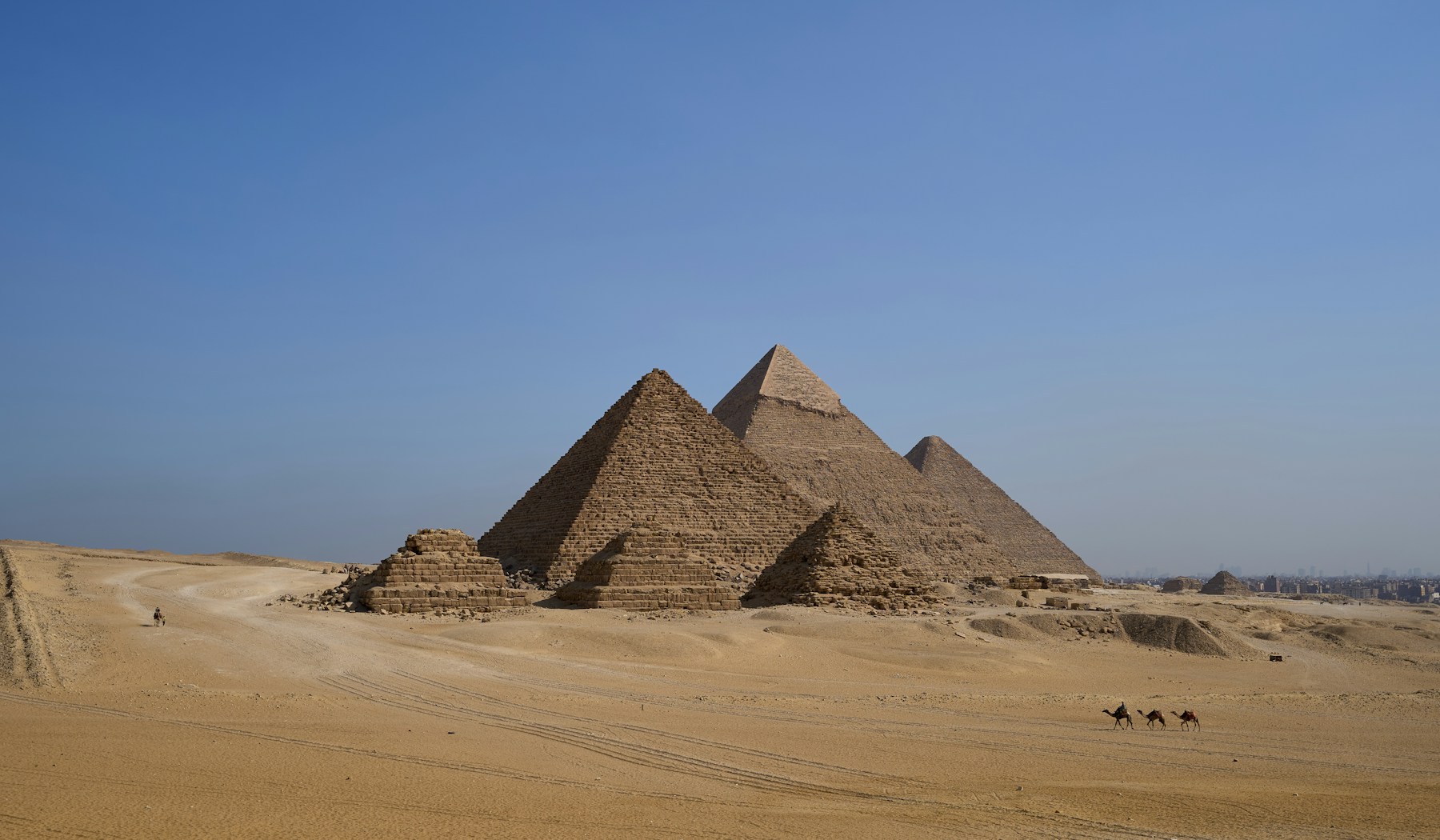
Ten days in Egypt gives you enough time for Cairo and Giza, several days along the Nile in Aswan, an Abu Simbel day trip, and the major temples and tombs around Luxor. This itinerary uses three main lodging bases, with domestic flights or a mix of flights and trains connecting them.
The trip begins with the Giza pyramids and Cairo's historic neighborhoods, continues south to Aswan for Philae Temple and Abu Simbel, and finishes in Luxor with the Valley of the Kings, Karnak, and Luxor Temple. You can adapt the transport choices to your budget and the schedules available for your dates.
You can use the free 10 Day Egypt Itinerary Google Sheets template as the itinerary for your own trip. It includes the day-by-day plan, lodging bases, flights and transfers, attraction links, optional activities, packing items, pre-trip tasks, costs, and sample cost-splitting rows.

Itinerary Outline
- Days 1-3: Cairo, the Giza Plateau, Grand Egyptian Museum, Islamic Cairo, and Khan el-Khalili
- Days 4-6: Aswan, a Nile sail, Abu Simbel, Philae Temple, and the Nubian Museum
- Days 7-9: Luxor Temple, the West Bank, Valley of the Kings, and Karnak
- Day 10: Fly from Luxor to Cairo or connect onward
This plan uses three nights in Cairo, three in Aswan, and three in Luxor. The sequence works well for a first trip because each base has its own character: Cairo for museums and city history, Aswan for the Nile and Nubian heritage, and Luxor for the largest concentration of ancient temple and tomb sites.
Best time and pacing for this Egypt itinerary
October through April usually brings more comfortable conditions for long days at outdoor sites. December and January can be busy, while late spring and summer are much hotter, particularly in Aswan and Luxor. Early starts are useful throughout the year for outdoor monuments, and winter mornings can still feel cool enough for a light layer.
The official Experience Egypt site is a useful starting point for current destination information. Before booking, review the latest entry requirements, local guidance, and the travel advisory that applies to your nationality.
Day 1: Arrive in Cairo
Most international trips begin at Cairo International Airport. Allow time for immigration, luggage, and the transfer into the city, then settle into your hotel and have dinner close to your lodging.
Zamalek is a convenient first-time base with restaurants and a central position on Gezira Island. Garden City works well for the Nile and central Cairo, while Giza can be practical if the pyramids are your main priority the next morning. Cairo traffic can add substantial time between neighborhoods, so compare your lodging location with the places you plan to visit.
Day 2: Giza Plateau and the Grand Egyptian Museum
Start at the Giza Plateau for the Great Pyramid, the other major pyramids, panoramic viewpoints, and the Great Sphinx. The site is large enough that a driver or guide can be useful for moving between the main areas, although the individual complexes still involve plenty of walking. Decide in advance whether you want to enter a pyramid because interior tickets and conditions differ from the general plateau experience.
Continue to the Grand Egyptian Museum near Giza. Its galleries cover thousands of years of ancient Egyptian history, while the Grand Hall centers on a colossal statue of Ramesses II. The museum currently requires online tickets with a timed arrival, and the official site lists extended gallery hours on Wednesdays and Saturdays.
Plan several hours for the museum. Pairing Giza and the museum makes geographic sense, but it is still a full day, so book an entry time that leaves room for the plateau and lunch.
Day 3: The Citadel, Islamic Cairo, and Khan el-Khalili
Begin at the Citadel of Saladin and the Mosque of Muhammad Ali. The elevated complex combines mosque interiors, courtyards, fortifications, and wide views across Cairo. Modest clothing is appropriate, and visitors may be asked to remove shoes in mosque areas.
Continue to Al-Muizz Street, one of the best areas for seeing Cairo's historic Islamic architecture at street level. Mosques, madrasas, gates, courtyards, and restored facades line the route, with smaller lanes branching into the surrounding neighborhood.
Finish at Khan el-Khalili. The market is known for metalwork, lamps, textiles, jewelry, spices, cafes, and busy lanes that are most enjoyable when you have time to browse. Choose dinner in the area or return toward your hotel after an evening walk.

Day 4: Fly to Aswan and sail on the Nile
Take a morning flight from Cairo to Aswan and check into a hotel near the riverfront or on Elephantine Island. Central Aswan is compact compared with Cairo, and the Nile, islands, desert hills, and feluccas give the city a noticeably different pace.
Spend the late afternoon on a felucca, the traditional sailboat used on the Nile. A short sail gives you views of Elephantine Island, the botanical garden area, the west-bank hills, and daily river traffic. Arrange the trip around daylight and current wind conditions, then have dinner near the Corniche or your lodging.
Day 5: Abu Simbel day trip
Abu Simbel is one of the longest day trips in this itinerary, but the temples are among Egypt's most memorable ancient sites. The Great Temple is fronted by four colossal statues of Ramesses II, while the nearby temple honors Queen Nefertari and the goddess Hathor. Both temples were relocated during the construction of the Aswan High Dam and now stand above Lake Nasser.
You can reach Abu Simbel by domestic flight or an early road transfer with a licensed operator. Compare the full schedule, pickup time, baggage rules, and the amount of time included at the temples before choosing. The UNESCO Nubian Monuments listing provides useful background on Abu Simbel and the wider group of sites between Aswan and the Sudanese border.
Return to Aswan in the afternoon and keep the evening relaxed after the early start.

Day 6: Philae Temple and the Nubian Museum
Take a boat to Philae Temple on Agilkia Island. The temple complex is closely associated with the goddess Isis and is especially memorable for its island setting, pylons, courtyards, reliefs, and views across the water. Allow time for the boat transfer as well as the visit itself.
In the afternoon, visit the Nubian Museum. Its collection explains Nubian history, art, daily life, and the archaeological work connected with the Aswan dams and the international effort to relocate monuments. It adds important context to the region before you continue north toward Luxor.
Use the evening for a walk along the Corniche, a final felucca sail, or dinner near the river.
Day 7: Travel to Luxor and visit Luxor Temple
Travel from Aswan to Luxor by train, domestic flight, or private road transfer. A Nile cruise is another option, but it changes the pacing and usually needs additional days for Kom Ombo, Edfu, and time onboard. Check current schedules before you finalize lodging and timed activities.
After checking in, visit Luxor Temple in the late afternoon or evening. The complex includes monumental statues, columns, courts, and a section of the ancient Avenue of Sphinxes. Evening lighting brings out the carvings and creates a good introduction to Luxor's East Bank.

Day 8: Valley of the Kings, Hatshepsut, and Medinet Habu
Start early on Luxor's West Bank at the Valley of the Kings. Your main ticket covers a selection of open tombs, while some high-demand tombs require separate tickets. The open list can change, so review the current choices and decide which decoration, period, or ruler interests you most.
Continue to the Temple of Hatshepsut at Deir el-Bahari. Its terraces rise against the limestone cliffs and tell the story of one of ancient Egypt's most prominent female pharaohs through architecture and surviving reliefs.
Finish at Medinet Habu, the mortuary temple of Ramesses III. The site is known for well-preserved reliefs, large courtyards, and richly detailed walls. It often feels calmer than the Valley of the Kings and gives you more room to study the temple's scale and artwork.
Day 9: Karnak and the Luxor riverfront
Give Karnak Temple a full morning. The vast complex developed over centuries, and its best-known space is the Great Hypostyle Hall, where enormous columns are covered with reliefs and hieroglyphs. The precinct also includes obelisks, pylons, courts, statues, and a sacred lake.
Spend the afternoon at Luxor Museum for a focused collection of objects from the region, or walk the Corniche and enjoy a slower final day beside the Nile. Return to Luxor Temple if you want to see more of the Avenue of Sphinxes or revisit the East Bank at a different time of day.

Day 10: Depart from Luxor
Fly from Luxor to Cairo for an international connection or continue to another destination. When booking separate tickets, leave a comfortable connection window for domestic delays, baggage collection, and terminal changes.
If your flight leaves later, keep the morning close to your hotel. Breakfast, a riverfront walk, or a short museum visit can fit without adding another long transfer.
Where to stay in Cairo, Aswan, and Luxor
Cairo: Zamalek is convenient for restaurants and a central base. Garden City suits travelers who want to stay near the Nile and central sights. Giza shortens the trip to the pyramids and Grand Egyptian Museum but increases travel time to Islamic Cairo.
Aswan: The Corniche is practical for boats, restaurants, and transfers. Elephantine Island offers a quieter river setting, with boat transport required to reach the mainland. Compare the exact dock and pickup arrangements before booking early departures.
Luxor: The East Bank is convenient for Luxor Temple, Karnak, restaurants, the railway station, and the airport road. The West Bank is quieter and closer to the Valley of the Kings, Hatshepsut, and Medinet Habu. Either works well when your transfers are arranged around the sites you plan to visit.
Transport and booking logistics
- Book international flights and your Cairo lodging first, then place domestic flights or trains around those dates.
- Reserve the Grand Egyptian Museum's required online time slot through the official ticketing system.
- Compare flights and licensed road transfers for Abu Simbel, including pickup time and time at the temples.
- Check current schedules directly with EgyptAir and Egyptian National Railways before choosing Cairo-Aswan and Aswan-Luxor connections.
- Review current monument tickets and opening information through Egypt's official monument ticketing site.
- Arrange West Bank transportation in Luxor and decide whether a licensed guide would add value for the tombs and temple history.
- Keep passport details, confirmations, and operator contacts available offline for domestic flights and early pickups.
Optional ideas and route changes
- Saqqara and Dahshur: Add a Cairo day for the Step Pyramid, the Bent Pyramid, the Red Pyramid, and a broader view of pyramid development.
- Coptic Cairo and the National Museum of Egyptian Civilization: Choose this for churches, historic religious sites, and a museum that covers a wider span of Egyptian history.
- Nubian village: Add a visit from Aswan with a community-led guide or operator that explains what is included.
- Kom Ombo and Edfu: These temples fit most naturally into a Nile cruise or a private road transfer between Aswan and Luxor.
- Dendera: Use an extra Luxor day for the Temple of Hathor, known for its reliefs and surviving color.
- Red Sea extension: Add several nights in Hurghada or another Red Sea base after Luxor if you want diving, snorkeling, or beach time.
What the Egypt Google Sheets itinerary template includes
- A scheduled Cairo, Giza, Aswan, Abu Simbel, and Luxor itinerary
- Unscheduled ideas for restaurants, neighborhoods, temples, museums, day trips, and route changes on the Itinerary tab
- Specific map-ready locations, official links, lodging notes, transport choices, and booking reminders
- A packing list and pre-trip checklist tailored to Egypt
- Cost fields and sample split-cost rows for shared travel expenses
For a general planner you can adapt to any trip, see the free Google Sheets travel planner and itinerary template.
How Travel Mapper helps with an Egypt trip
The free Google Sheets itinerary gives you one place for dates, lodging, flights, trains, tickets, activities, costs, and notes. The Travel Mapper Google Sheets add-on adds a map beside the itinerary so you can review how Cairo and Giza fit together, compare lodging bases, and see the relationship between stops around Aswan and Luxor.
You can fine-tune the schedule with drag-and-drop itinerary editing, use Google Maps autofill while adding places, email the itinerary, and export it to Google My Maps. The Travel Mapper Chrome extension can also add an activity from a restaurant, museum, hotel, or tour page you are researching.
If you want to review or edit the trip from your phone while traveling, the Travel Mapper web app works in a mobile browser.
Egypt itinerary FAQ
Is 10 days enough for Egypt?
Ten days is enough for a first itinerary focused on Cairo and Giza, Aswan, Abu Simbel, and Luxor. It gives each main base multiple nights and includes the most useful ancient sites without requiring a cruise. Add several days for Alexandria, a longer Nile cruise, or the Red Sea.
Should I fly or take the train from Cairo to Aswan?
Flying saves time and fits a 10-day itinerary well. A train can reduce flight segments and may suit your budget or travel style, but current journey times, service levels, and booking procedures should be checked directly before you decide.
Is Abu Simbel worth the trip from Aswan?
Abu Simbel is worth including if the monumental temples of Ramesses II and Nefertari are a priority. The day starts early and involves a substantial flight or road journey, so compare transport options and give Aswan enough nights to keep the rest of the stay comfortable.
Should I stay on Luxor's East Bank or West Bank?
The East Bank is convenient for Karnak, Luxor Temple, restaurants, the railway station, and airport transfers. The West Bank is quieter and closer to the Valley of the Kings and major mortuary temples. Choose based on your preferred atmosphere and where you want to begin early sightseeing days.
Do I need a guide for this Egypt itinerary?
A guide is optional, but a knowledgeable licensed guide can add historical context at Giza, Islamic Cairo, and Luxor's temples and tombs. You can also combine guided days with independent museum visits and free time.
Can I add a Nile cruise to this route?
Yes. A cruise between Aswan and Luxor usually includes Kom Ombo, Edfu, and several nights onboard. Add enough days for the cruise schedule and adjust the independent Aswan and Luxor nights around its embarkation and disembarkation times.
Use the free Egypt itinerary template to customize the trip, then install Travel Mapper when you want to see your itinerary on a map and refine your plans inside Google Sheets!