
10 Day Germany Itinerary + Free Google Sheets Template
Matt - September 13, 2026
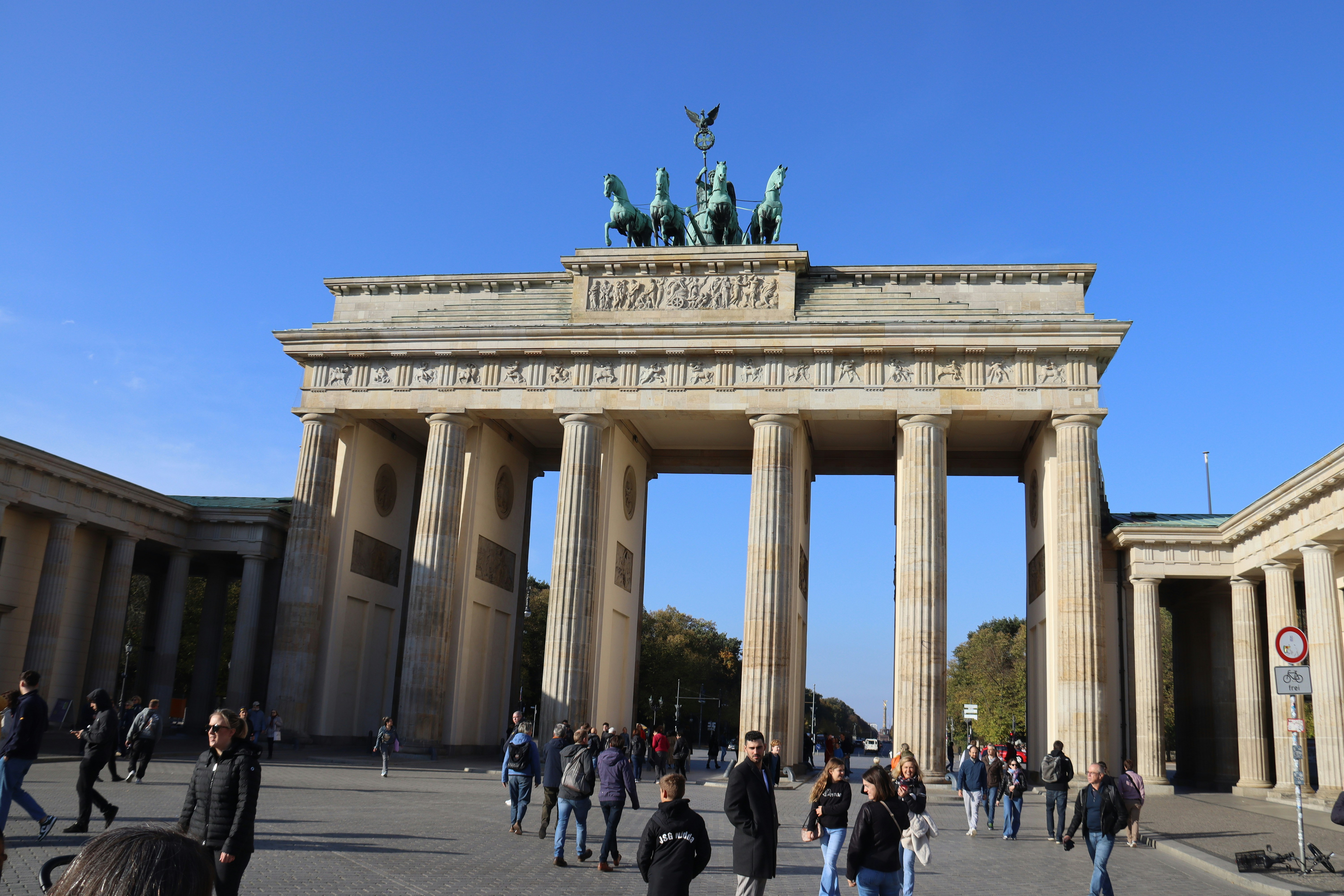
Ten days gives you enough time to connect four distinctive German cities by train and add a full day in the Bavarian Alps. This itinerary starts with three nights in Berlin, continues south through Dresden and Nuremberg, and finishes with four nights in Munich, including a day trip to Neuschwanstein Castle.
The route works well for a first trip because each base has a clear role. Berlin provides modern history, museums, neighborhoods, and a broad restaurant scene. Dresden adds a compact baroque center along the Elbe. Nuremberg brings medieval streets and significant 20th-century history. Munich combines a walkable historic core with palaces, parks, beer gardens, and straightforward access to southern Bavaria.
You can use the free 10 Day Germany Itinerary Google Sheets template as the itinerary for your own trip. It includes the day-by-day plan, specific locations, lodging bases, rail notes, official links, optional ideas, packing items, pre-trip tasks, costs, and sample cost-splitting rows.

Itinerary Outline
- Day 1: Arrive in Berlin and explore Mitte
- Day 2: Brandenburg Gate, the Reichstag, and Berlin Wall history
- Day 3: Museum Island, the East Side Gallery, and Berlin neighborhoods
- Day 4: Train to Dresden and explore the historic center
- Day 5: Train to Nuremberg, the castle, and the old town
- Day 6: Nuremberg history, then train to Munich
- Day 7: Marienplatz, the Residenz, Viktualienmarkt, and the English Garden
- Day 8: Neuschwanstein Castle day trip from Munich
- Day 9: Nymphenburg Palace and a flexible Munich afternoon
- Day 10: Final Munich stops and departure
The itinerary uses four lodging bases: Berlin for three nights, Dresden for one, Nuremberg for one, and Munich for four. The rail sequence follows a steady north-to-south path, and Munich gives you enough time for both city sightseeing and a day trip to the Alps.
Best time and pacing for a Germany trip
May, June, September, and early October are strong choices for this route. Days are long enough for city walks, palace grounds, and outdoor dining, while temperatures are generally comfortable for sightseeing. July and August offer the warmest weather and the longest evenings, along with higher demand for central hotels and major attractions.
Late November and December suit travelers interested in Christmas markets. Berlin, Dresden, Nuremberg, and Munich all host seasonal markets, and Dresden and Nuremberg are especially well known for their historic market traditions. Market dates and opening times change each year, so use the city tourism sites when planning a winter version of the trip.
The sample Sheet uses dates in May. Spring weather can shift between sun, rain, and cool evenings, so bring layers and a compact rain jacket. In every season, book long-distance trains and the most important timed attractions after your lodging dates are firm.
Day 1: Arrive in Berlin and explore Mitte
Arrive at Berlin Brandenburg Airport or Berlin Hauptbahnhof and settle into a hotel in Mitte, around Hackescher Markt, or near a major S-Bahn station. Mitte is convenient for a first visit because Museum Island, Unter den Linden, the Brandenburg Gate, and several rail connections are close together.
Begin at Alexanderplatz, where the Fernsehturm gives the eastern skyline its most recognizable landmark. Walk toward the Nikolaiviertel, a small riverside quarter of lanes, restaurants, and reconstructed historic buildings around St. Nicholas Church. Continue along the Spree to Museum Island and the broad boulevard of Unter den Linden.
Use the first evening for Hackescher Markt, the courtyards around Hackesche Hoefe, or dinner in Prenzlauer Berg. These areas give you a good introduction to Berlin's mix of restored historic buildings, creative businesses, cafes, and residential streets.
Day 2: Brandenburg Gate, the Reichstag, and Berlin Wall history
Start at the Brandenburg Gate and Pariser Platz. The gate marks the western end of Unter den Linden and sits beside the Tiergarten, the Reichstag, and the government quarter. Walk through the Memorial to the Murdered Jews of Europe before continuing to the Reichstag building.
The Reichstag dome provides views across central Berlin and a close look at the building's modern glass structure. Visits are free, but advance registration is required. Review the current options and register through the German Bundestag visitor page.
Continue through the government quarter beside the Spree, then travel to the Berlin Wall Memorial on Bernauer Strasse. The preserved border strip, outdoor exhibits, documentation center, and viewing platform explain how the wall divided streets and neighborhoods. Allow enough time to follow the memorial grounds and read the exhibits, since this is one of Berlin's clearest places for understanding the physical structure of the border.
Finish the day in Kreuzberg. The area around Bergmannstrasse and the Landwehr Canal has restaurants, bakeries, bars, and easy evening walks. Markthalle Neun is another useful stop when its food events align with your dates.
Day 3: Museum Island, the East Side Gallery, and Berlin neighborhoods
Choose one or two museums on Museum Island based on the collections you most want to see. The Neues Museum is known for Egyptian and prehistoric collections, while the Alte Nationalgalerie focuses on 19th-century painting and sculpture. Construction and museum access can change across the island, so check the official Museum Island site before booking.
After lunch, travel to the East Side Gallery, the long open-air section of the Berlin Wall beside the Spree. The murals were painted after the border opened and reflect themes of political change, freedom, and reunification. From there, explore Friedrichshain around Boxhagener Platz or cross the river into Kreuzberg for cafes, shops, and dinner.
Charlottenburg Palace is a meaningful swap for travelers who prefer royal interiors, formal gardens, and decorative arts. It fills most of a half day and pairs well with an evening around Savignyplatz in western Berlin.
Day 4: Train to Dresden and explore the historic center
Take a morning train from Berlin Hauptbahnhof to Dresden. Direct services commonly complete the trip in under two hours, and current departure times and fares are available through Deutsche Bahn. Leave luggage at your hotel and begin around Neumarkt.
The Frauenkirche dominates the square with its large stone dome. The rebuilt church and surrounding facades form the center of Dresden's restored old town. Check worship, concert, and visitor times on the official Frauenkirche site.
Walk through the Fuerstenzug, a long porcelain-tile mural depicting Saxon rulers, then continue to the Residenzschloss and Semperoper. The Zwinger palace complex brings together courtyards, gardens, baroque pavilions, and major art collections. Its museums include the Old Masters Picture Gallery and the Royal Cabinet of Mathematical and Physical Instruments; use the official Zwinger ticket page for current access.

End with a walk along Bruehl's Terrace above the Elbe. From the riverfront, you can see the old town skyline and cross toward the Neustadt for a broader choice of restaurants and evening activity. Stay near Altstadt for immediate access to the main sights or near Dresden-Neustadt station for a livelier neighborhood and convenient rail connections.
Day 5: Train to Nuremberg, the castle, and the old town
Travel from Dresden to Nuremberg in the morning, usually with a connection. Check the exact itinerary when booking because journey times and transfer stations vary. A late-morning arrival still leaves a useful afternoon for the compact old town.
Walk from the Hauptmarkt through the medieval center toward Nuremberg Castle. The castle complex rises above the city and includes courtyards, towers, imperial rooms, and views across the red-roofed old town. Current opening details are available through the Bavarian Palace Administration.

Descend through the streets around Tiergaertnertor, the Albrecht Duerer House, and Weissgerbergasse. Weissgerbergasse is known for its row of colorful half-timbered houses, while the Pegnitz riverfront has bridges and small squares that make an easy walking route back toward the center.
For dinner, look for Franconian dishes such as Nuremberg sausages, roast meats, dumplings, and local beer. Central Nuremberg is very walkable, and a hotel inside the old town or near the main station keeps the evening and next morning simple.
Day 6: Nuremberg history, then train to Munich
Use the morning for one of Nuremberg's major historical sites. The Documentation Center Nazi Party Rally Grounds presents the rise of National Socialism, the use of propaganda, and the city's role in mass rallies. Exhibition areas can change during renovation work, so confirm current access through Nuremberg tourism.
The Memorium Nuremberg Trials is another substantial option. Located in the Palace of Justice, it explains the international trials held after the Second World War and their influence on international criminal law. Give either site several hours so there is time for the main exhibition and transport from the old town.
Take an afternoon train to Munich. Direct high-speed services generally make this one of the shortest transfers in the itinerary. After checking in, walk around Marienplatz, the pedestrian streets, and Viktualienmarkt, then choose dinner in the old town, Glockenbachviertel, or Haidhausen.
Day 7: Marienplatz, the Residenz, Viktualienmarkt, and the English Garden
Begin at Marienplatz before the square becomes busiest. The New Town Hall fills the north side with its neo-Gothic facade, tower, and Glockenspiel. Walk to the Frauenkirche, whose twin towers are a central part of Munich's skyline, and continue through the pedestrian streets toward Odeonsplatz.

The Munich Residenz was the city palace of Bavaria's Wittelsbach rulers. Its state rooms, collections, courtyards, and treasury show several centuries of court architecture and decorative arts. The complex is large, so choose the Residenz Museum, Treasury, or Cuvillies Theatre based on your interests and available time.
Have lunch around Viktualienmarkt, where stalls sell produce, cheese, bread, flowers, prepared foods, and regional specialties. In the afternoon, walk into the English Garden. The park stretches north from the city center with meadows, wooded paths, streams, beer gardens, and the well-known Eisbach wave near the southern entrance.
Day 8: Neuschwanstein Castle day trip from Munich
Leave Munich early for Fuessen and Hohenschwangau. Regional trains connect Munich with Fuessen, followed by a local bus to the village below the castles. A guided coach tour is another option, while a rental car provides flexibility for nearby lakes and viewpoints. Build the day around the castle entry time shown on your ticket.
Neuschwanstein was commissioned by King Ludwig II and sits on a forested ridge above Hohenschwangau. Interior visits are available only as guided tours, and timed tickets often sell out. Buy through the official Hohenschwangau Ticket Center and review the castle's current opening and tour information.

Allow time to travel uphill from the ticket center. Shuttle buses, horse carriages, and walking routes cover different parts of the climb, and seasonal conditions can affect access. Marienbruecke is a popular viewpoint when open. Alpsee lake and Hohenschwangau Castle are useful additions for travelers with an early Neuschwanstein tour and a later return train.
Return to Munich in the evening. Choose a restaurant near the station or your lodging, especially if your day includes a later train from Fuessen.
Day 9: Nymphenburg Palace and a flexible Munich afternoon
Spend the morning at Nymphenburg Palace, the summer residence of Bavaria's rulers. The main palace rooms, long canal, formal gardens, park pavilions, and carriage collection can fill most of a day. Check seasonal opening times and the combination-ticket options on the official Nymphenburg Palace site.
Use the afternoon for the part of Munich that best fits your interests. Art museums cluster around the Kunstareal, including the Alte Pinakothek, Neue Pinakothek collection displays, Pinakothek der Moderne, and Museum Brandhorst. The Deutsches Museum focuses on science and technology. The BMW Museum and BMW Welt are useful choices for automotive design and engineering.
Haidhausen offers a quieter neighborhood afternoon with cafes and squares east of the Isar. For an outdoor option, walk along the Isar riverbanks or return to the English Garden for a longer route toward the Chinese Tower and Kleinhesseloher See.
Day 10: Final Munich stops and departure
Keep the final morning close to your lodging and departure station. Visit a market, bakery, church, or museum shop that you missed earlier, then collect your luggage and travel to Munich Airport or the Hauptbahnhof.
Munich Airport is northeast of the city and is connected by S-Bahn. Check the latest route and allow time for the airport transfer, airline check-in, and security. Travelers continuing by rail can use direct trains from Munich to Salzburg, Innsbruck, Vienna, Zurich, and other Central European cities.
Where to stay along the route
Berlin
Mitte is the most convenient base for Museum Island, Unter den Linden, the government quarter, and major transit. Prenzlauer Berg has residential streets, cafes, and easy tram or U-Bahn links. Charlottenburg works well for western Berlin, the palace, shopping, and restaurants around Savignyplatz. Choose a hotel near an S-Bahn or U-Bahn station because Berlin's sights cover a wide area.
Dresden
Altstadt places the Frauenkirche, Zwinger, Residenzschloss, Semperoper, and Elbe riverfront within walking distance. Neustadt has more evening variety and a neighborhood feel, with quick tram access to the historic center. For a one-night stay, proximity to either Dresden Hauptbahnhof or Dresden-Neustadt station helps with the next transfer.
Nuremberg
The old town is compact and atmospheric, with restaurants, the Hauptmarkt, riverfront, and castle nearby. The area around the main station is practical for a short stay and sits just outside the old town walls. Public transport connects both areas with the Documentation Center and Palace of Justice.
Munich
Altstadt-Lehel is best for walking to Marienplatz, the Residenz, Viktualienmarkt, and the English Garden. Maxvorstadt suits museum visits and has good U-Bahn access. Haidhausen offers restaurants and attractive residential streets around Munich East station. Hotels near Hauptbahnhof are convenient for the Fuessen day trip and airport connections.
Train and booking logistics
Use Deutsche Bahn to compare schedules and buy long-distance rail tickets. Advance saver fares can be attractive for fixed travel days, while flexible fares allow more freedom around departure times. Review the fare conditions before purchasing because train-specific rules and refund terms vary.
Reserve seats on busy intercity routes when you want a predictable place for a longer journey or are traveling with companions. Store your rail tickets, hotel confirmations, attraction times, and local transit notes in the itinerary so each transfer day is easy to review.
Book Reichstag dome access, major Berlin museum time slots, Neuschwanstein Castle, and any high-priority palace or museum visits after confirming your route. Sunday and Monday closures vary by museum, and public holidays can affect opening hours, shops, and rail demand.
Germany's city transit systems use a mix of S-Bahn, U-Bahn, trams, and buses. Berlin, Dresden, Nuremberg, and Munich each have local day-ticket options. Compare the ticket zones and validity for the days when you expect several rides.
Optional ideas for your Germany itinerary
Add Potsdam as a day trip from Berlin for Sanssouci Palace, gardens, lakes, and the historic center. It fits best when you have a fourth Berlin night.
Add Saxon Switzerland from Dresden for sandstone formations, river views, and hiking around the Bastei. A second Dresden night gives the landscape a full day.
Add Bamberg between Nuremberg and Munich for a UNESCO-listed old town, riverside architecture, breweries, and Franconian food. Stay overnight or use it as a day trip from Nuremberg.
Add Dachau Memorial Site from Munich for exhibitions and preserved spaces documenting the concentration camp system. Check visitor information and guided-tour options before your visit.
Add Salzburg after Munich for a compact old town, fortress, music history, and Alpine scenery. Direct trains make it a practical continuation into Austria.
What the Germany Google Sheets itinerary template includes
- A scheduled Berlin, Dresden, Nuremberg, Munich, and Neuschwanstein itinerary
- Unscheduled ideas for museums, palaces, neighborhoods, restaurants, day trips, and seasonal markets on the Itinerary tab
- Specific locations, official links, lodging notes, rail reminders, and booking details
- A packing list and pre-trip checklist tailored to rail travel, city sightseeing, and variable weather
- Cost fields and sample split-cost rows for shared lodging, rail tickets, meals, transit, and attractions
For a general planner you can adapt to any trip, see the free Google Sheets travel planner and itinerary template.
How Travel Mapper helps with a Germany trip
The Travel Mapper Google Sheets add-on adds map-based itinerary planning to Google Sheets. Seeing Berlin, Dresden, Nuremberg, Munich, Neuschwanstein, lodging bases, stations, and optional day trips on the same map helps you review the geography of the itinerary as you adjust each day.
You can organize the itinerary with drag-and-drop editing, use Google Maps autofill while adding places, email the itinerary, and export it to Google My Maps. The Travel Mapper Chrome extension can add a hotel, restaurant, attraction, or tour from a page you are researching.
If you want to review or edit the trip from your phone while traveling, the Travel Mapper web app works in a mobile browser.
The Google Sheets itinerary remains available for free. You can try the full Travel Mapper add-on feature set for seven days, then upgrade when you want to continue using the map view and other add-on tools.
Germany itinerary FAQ
Is 10 days enough for Berlin, Dresden, Nuremberg, and Munich?
Yes. Ten days gives you three nights in Berlin, one in Dresden, one in Nuremberg, and four in Munich. This provides two full Berlin sightseeing days, focused visits in Dresden and Nuremberg, and time for Munich plus Neuschwanstein.
Should I travel around Germany by train or car?
Train travel is well suited to this route because all four city bases have central stations and frequent intercity connections. Local transit covers the main urban sights. Neuschwanstein is reachable by train and bus, guided tour, or rental car, so you can choose the day-trip format that fits your schedule.
How far in advance should I book German trains?
Book when your lodging dates and transfer days are firm if you want access to a wider selection of saver fares. Flexible tickets can be useful when you value schedule freedom. Check the current fare rules and timetable through Deutsche Bahn.
Where should I spend the most nights in Germany?
Berlin and Munich deserve the longest stays on this route. Berlin's museums, historical sites, and neighborhoods cover a large area. Munich combines several days of city sights with easy access to Neuschwanstein and other Bavarian day trips.
Can I visit Neuschwanstein Castle as a day trip from Munich?
Yes. Travel to Fuessen, continue to Hohenschwangau, and plan the day around your timed castle tour. An early departure gives you time for the uphill transfer, the guided visit, viewpoints, and the return to Munich.
Can I use the Germany itinerary template for free?
Yes. Open the Germany itinerary template, make a copy in Google Drive, and customize it for your dates and interests. The spreadsheet remains usable after the Travel Mapper add-on trial.
How do I see the Germany itinerary on a map?
Install Travel Mapper from the Google Workspace Marketplace and open the map from the Extensions menu in Google Sheets. The add-on includes a seven-day trial of its full feature set.