
10 Day Mexico Itinerary: Mexico City, Oaxaca & Yucatan + Free Google Sheets Template
Matt - August 16, 2026
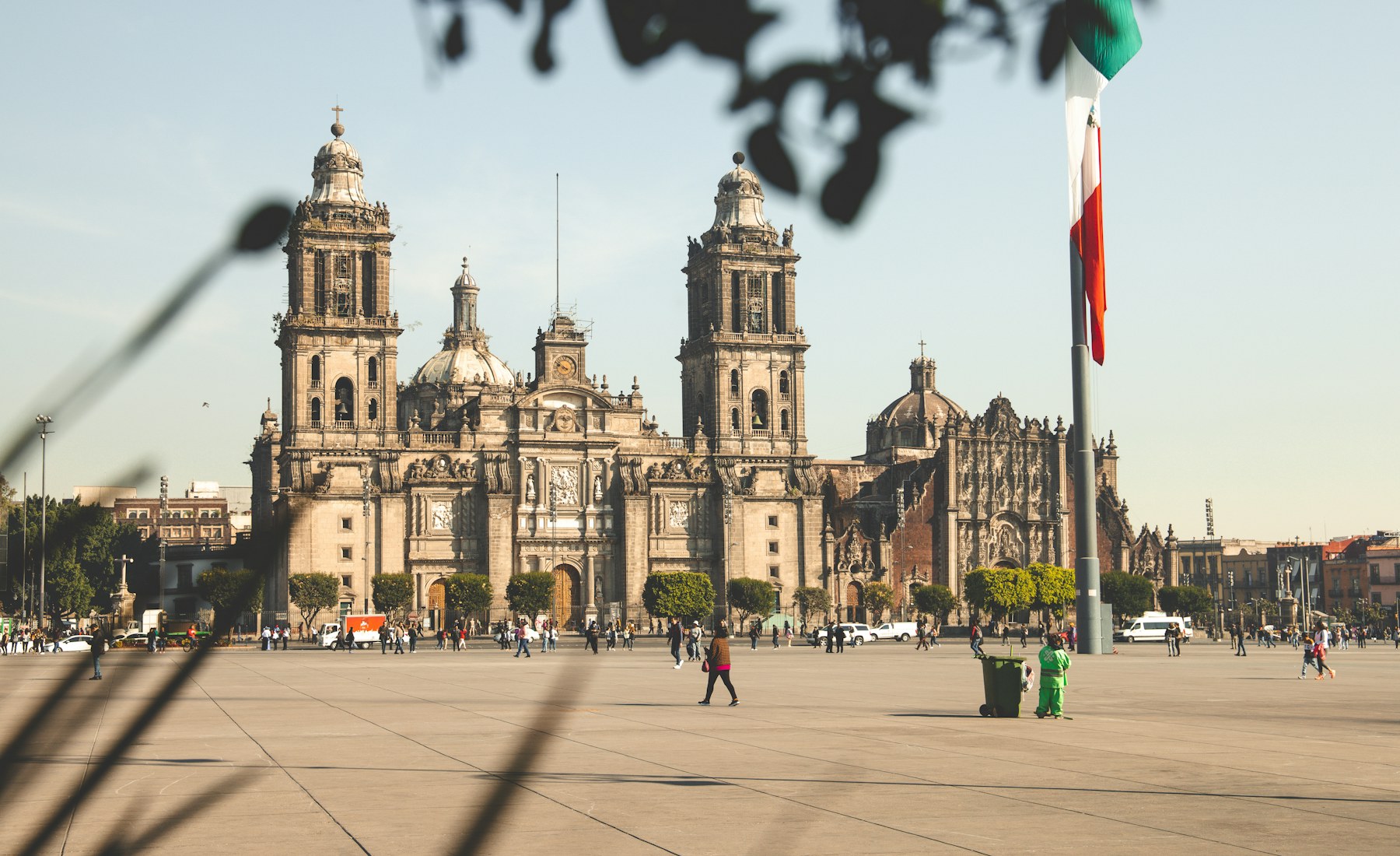
Ten days in Mexico gives you time to explore three distinct regions: Mexico City's museums and neighborhoods, Oaxaca's food and Zapotec heritage, and the Maya archaeological sites and colonial cities of Yucatan. This itinerary uses three nights in Mexico City, three nights in Oaxaca, and four nights in Merida.
The route begins in Mexico City, continues by a short domestic flight to Oaxaca, and finishes in Merida. From Merida, day trips reach Chichen Itza, Valladolid, Uxmal, and Kabah. You will have time for major landmarks as well as markets, neighborhood walks, regional food, and several options you can add according to your interests.
You can use the free 10 Day Mexico Itinerary Google Sheets template as the itinerary for your own trip. It includes the day-by-day plan, lodging bases, flights, attraction links, optional activities, packing items, pre-trip tasks, costs, and sample cost-splitting rows.

Itinerary Outline
- Days 1-3: Mexico City, including the historic center, Chapultepec, the National Museum of Anthropology, Roma, Condesa, and Paseo de la Reforma
- Days 4-6: Oaxaca City, Monte Alban, local markets, and a day through the Oaxaca Valley
- Days 7-10: Merida, Chichen Itza, Valladolid, Uxmal, Kabah, and departure from Yucatan
This plan works well for a first visit that combines cities, archaeological sites, and regional food. Mexico City and Oaxaca are easy to enjoy on foot within their central neighborhoods, while the Yucatan portion benefits from organized day trips, a driver, or a rental car.
Best time and pacing for this Mexico itinerary
November through April generally brings drier weather across much of this route. Mexico City and Oaxaca can feel cool in the morning and evening, especially at higher elevations. Merida and the archaeological sites of Yucatan stay warmer and more humid, so plan outdoor sites early in the day and carry water and sun protection.
May through October is warmer and wetter in many areas. Afternoon rain is common, and tropical weather can affect flights, roads, and outdoor plans in Yucatan. The rainy season also brings greener landscapes around Oaxaca and the peninsula. Confirm current conditions shortly before the trip and keep some flexibility around longer day trips.
The itinerary includes two domestic flight days. The Mexico City-to-Oaxaca route is usually straightforward. Oaxaca-to-Merida schedules may include a connection in Mexico City, so check the actual itinerary offered by your airline before settling on the transfer day. A morning departure gives you a better chance of reaching Merida with time for an evening walk.
Day 1: Arrive in Mexico City and explore Roma or Condesa
Most international flights arrive at Mexico City International Airport. Traffic can add considerable time to the transfer, so choose a first-day plan close to your lodging. Roma Norte and Condesa make convenient bases with restaurants, cafes, parks, and residential streets that are enjoyable on foot.
After checking in, walk through Plaza Rio de Janeiro and the surrounding Roma Norte streets, or follow Avenida Amsterdam around Parque Mexico in Condesa. Both neighborhoods are known for early 20th-century architecture, leafy parks, independent shops, galleries, and a wide range of places to eat.
Choose dinner near your hotel. Mexico City's restaurant scene ranges from neighborhood taquerias and market counters to contemporary tasting menus, and the first evening is a good time to begin with the area immediately around your base.
Day 2: Zocalo, Templo Mayor, Bellas Artes, and Centro Historico
Begin in the Zocalo, the vast central square formally called Plaza de la Constitucion. The Metropolitan Cathedral anchors one side, while the National Palace and arcaded government buildings frame the rest of the square. The surrounding blocks reveal layers of Mexica, colonial, and modern Mexico City within a compact walking area.
Visit the Templo Mayor Museum and archaeological zone. The remains belonged to the ceremonial center of Tenochtitlan, and the museum displays monumental sculpture, offerings, ceramics, and objects recovered from the site. It gives useful context for the city beneath the modern streets.
Walk west along the pedestrian streets toward Palacio de Bellas Artes. Its marble exterior and orange-and-yellow dome make it one of the city's most recognizable buildings, while the interior is known for murals and performance spaces. Continue through Alameda Central, one of the oldest public parks in the Americas, and add the nearby Museo Mural Diego Rivera if its current exhibition and hours fit your day.
Have dinner in Centro Historico or return to Roma or Condesa. Reserve in advance for a particular restaurant; otherwise, choose from the many casual options around your lodging.
Day 3: Anthropology Museum, Chapultepec, and Paseo de la Reforma
Spend the morning at the National Museum of Anthropology. Its collection introduces the cultures and archaeological traditions you will encounter throughout the trip, including the Mexica, Zapotec, Mixtec, and Maya. The Mexica Sun Stone is a major highlight, but the regional galleries and reconstructed architectural elements deserve time as well.
Continue through Chapultepec Park to Chapultepec Castle. The hilltop building has served as an imperial residence, presidential home, military academy, and museum. Its terraces look across the park and Paseo de la Reforma, and the National History Museum galleries cover Mexico from the conquest through the early 20th century.
In the late afternoon, walk part of Paseo de la Reforma around the Angel of Independence and nearby monuments. Polanco, Juarez, Roma, and Condesa all offer good dinner options. Choose the neighborhood that best matches the location of your final museum or your hotel.

Day 4: Fly to Oaxaca and walk the historic center
Take a morning flight to Oaxaca. The airport is south of the city, and the road transfer reaches the historic center in roughly 30 to 60 minutes depending on traffic. Stay near Santo Domingo, the Zocalo, or the northern part of Centro for easy walks to museums, restaurants, markets, and tour meeting points.
Begin at the Church of Santo Domingo de Guzman and the former convent complex. The richly decorated baroque church is one of Oaxaca's defining landmarks. The adjacent Museo de las Culturas de Oaxaca presents regional history through archaeological objects, colonial art, and views over the Ethnobotanical Garden.
Follow the pedestrian Andador Macedonio Alcala toward the Zocalo. Galleries, craft shops, cafes, and restored buildings line the route. The central square is surrounded by arcades and restaurants and is especially lively in the early evening.
For dinner, look for regional dishes such as mole negro, mole coloradito, tlayudas, memelas, tamales, and seasonal soups or stews. Oaxaca's markets and restaurants offer many versions, so this is a good city for several smaller meals across the stay.

Day 5: Monte Alban, Oaxaca markets, and the Textile Museum
Visit Monte Alban in the morning. The ancient Zapotec capital occupies a leveled mountaintop above the Oaxaca Valley. Its broad central plaza is surrounded by temples, platforms, tombs, ball courts, carved stones, and structures that reflect centuries of political and ceremonial importance.
The elevated setting is part of the experience. From the platforms and plaza edges, you can see the valley, modern Oaxaca, and the mountain ranges beyond. Bring water, a hat, and shoes suitable for uneven stone, and check current entry hours before leaving the city.
Return to Centro for lunch at Mercado 20 de Noviembre or Benito Juarez Market. The neighboring markets are known for grilled meats, chocolate, breads, moles, dried chiles, produce, crafts, and everyday food stalls. Browse first, then choose a counter or shared table that appeals to you.
In the afternoon, visit the Textile Museum of Oaxaca. Its exhibitions introduce weaving, embroidery, natural dyes, and textile traditions from Oaxaca and other regions of Mexico. Finish with an evening walk around Santo Domingo and dinner nearby.

Day 6: Tule, Teotitlan del Valle, Mitla, and Hierve el Agua
Use the day for a loop east of Oaxaca. A driver or small-group tour can connect several stops while handling the mountain roads and local access arrangements.
Start in Santa Maria del Tule to see the enormous Montezuma cypress beside the town church. The tree is known for the immense circumference of its trunk and is an easy stop on the road toward the Tlacolula Valley.
Continue to Teotitlan del Valle, a Zapotec community known for weaving and natural dyes. Workshops commonly explain how wool is prepared and dyed with plants, minerals, and cochineal before being woven into rugs and other textiles. Choose a visit that includes time to ask about the designs, materials, and work of the family or cooperative.
At Mitla, geometric stone mosaics cover palace walls and courtyards. The site also includes tombs and the later Church of San Pablo, creating a close view of Zapotec and colonial history in the same complex.
Hierve el Agua can be added when current access, road conditions, and daylight allow. The site is known for mineral formations that resemble frozen waterfalls, spring-fed pools, and wide views over the surrounding mountains. Confirm current visiting conditions with a local operator or official tourism source before the day trip.
Return to Oaxaca for dinner and a final evening in the center.
Day 7: Fly to Merida and explore the historic center
Fly from Oaxaca to Merida. Some schedules connect through Mexico City, so allow most of the day when that is the practical option. From Merida airport, Centro is a short road transfer in normal traffic.
Stay near Plaza Grande, Santa Lucia, Santiago, or the southern end of Paseo de Montejo. These areas give you easy access to restaurants, museums, evening events, and pickup points for day trips.
Walk around Plaza Grande after checking in. The square brings together Merida Cathedral, Casa de Montejo, government buildings, arcades, and shaded benches. Continue toward Parque de Santa Lucia or follow part of Paseo de Montejo, where historic mansions, cafes, museums, and monuments line the boulevard.
For dinner, try Yucatecan dishes such as cochinita pibil, sopa de lima, papadzules, panuchos, salbutes, relleno negro, or queso relleno. Ask what is prepared that day, since some dishes are associated with particular days or family traditions.

Day 8: Chichen Itza and Valladolid
Leave early for Chichen Itza. The archaeological zone is one of Mexico's most visited sites, and an early start brings cooler temperatures and more time for the main structures.
El Castillo dominates the central plaza, but the site extends well beyond the pyramid. Walk through the Great Ball Court, Temple of the Warriors, Group of a Thousand Columns, observatory known as El Caracol, and the paths toward the Sacred Cenote. A licensed guide can explain the architecture, inscriptions, political history, and Maya-Toltec influences represented across the site.
Continue to Valladolid for lunch and a walk through the center. The main square, Cathedral of San Gervasio, colorful streets, Calzada de los Frailes, and San Bernardino de Siena convent form an easy afternoon route. A cenote near town can fit if opening hours and your return transport allow enough time.
Return to Merida in the evening. Check the current bus, tour, or driver schedule before the trip because travel times vary with traffic and the exact stops included.

Day 9: Uxmal, Kabah, and the Puuc Route
Travel south to Uxmal. The site's Puuc architecture is known for carefully fitted stone walls, ornate upper facades, masks of the rain god Chaac, geometric patterns, and broad ceremonial courtyards. The Pyramid of the Magician is the best-known structure, while the Nunnery Quadrangle and Governor's Palace reveal the detail and scale of the city's architecture.
Continue to Kabah if current hours and transportation fit your day. The Codz Poop, or Palace of the Masks, is covered with repeated stone images of Chaac. Kabah receives fewer visitors than Uxmal and adds useful context for the network of Puuc cities across the region.
Have lunch along the route or return to Merida for a late afternoon. Spend the final evening around Santa Lucia, Santiago, or Paseo de Montejo, depending on which part of the city you want to revisit.
Day 10: Depart from Merida
Transfer to Merida International Airport for your flight. Direct routes and connection options vary, so confirm the current schedule before booking your final hotel night.
For a later departure, keep the morning close to your lodging. Breakfast in Centro, a short visit to a market, or a final walk through Plaza Grande can fit before the airport transfer.
Where to stay in Mexico City, Oaxaca, and Merida
Mexico City: Roma Norte and Condesa suit travelers who want restaurants, parks, cafes, and easy neighborhood walks. Reforma and Juarez provide convenient access to major hotels, museums, and the avenue. Centro Historico is closest to the Zocalo and Templo Mayor and has a very different atmosphere in the evening.
Oaxaca: Stay between Santo Domingo and the Zocalo for the easiest access to central sights and restaurants. The northern edge of Centro is slightly quieter while remaining walkable. Check the exact street and incline if mobility or luggage handling matters for your stay.
Merida: Plaza Grande and Santa Lucia are central for restaurants, museums, and evening events. Santiago has a more residential feel with its own market and square. Paseo de Montejo offers historic mansions and larger hotels, with a longer walk or short ride to the main plaza from its northern sections.
Transport and booking logistics
- Compare a Mexico City-to-Oaxaca flight with the long-distance bus according to your preferred schedule and luggage needs.
- Check Oaxaca-to-Merida flight options early. A connection in Mexico City may be the most practical schedule on your date.
- Reserve popular Mexico City museums or dining experiences when timed entry or advance booking is available.
- Arrange the Oaxaca Valley day with a driver or tour that clearly states which stops, admissions, and meals are included.
- Plan Chichen Itza and the Puuc Route as separate day trips from Merida.
- For the Yucatan day trips, compare a rental car, private driver, small-group tour, and current intercity bus schedules.
- Confirm current opening hours and ticket rules through INAH for Templo Mayor, Monte Alban, Mitla, Chichen Itza, Uxmal, and Kabah.
- Keep digital and offline copies of flights, lodging, tickets, transfers, and travel insurance information.
Optional ideas and route changes
- Teotihuacan: Add a full day from Mexico City for the Pyramid of the Sun, Pyramid of the Moon, Avenue of the Dead, and site museums.
- Coyoacan and the Frida Kahlo Museum: Reserve the museum ahead, then spend time around Coyoacan's plazas, markets, cafes, and historic streets.
- Xochimilco: Add a morning or afternoon on the canals, ideally with a route and operator selected before arrival.
- Lucha libre: Check the current Arena Mexico schedule for an evening event in Mexico City.
- Oaxaca cooking class: Choose a class that includes a market visit or a clear focus on the regional dishes you want to learn.
- Mezcal palenque visit: Arrange transportation and visit a producer that explains agave varieties, roasting, fermentation, distillation, and responsible tasting.
- Celestun: Add a day west of Merida for the biosphere reserve, coastal scenery, and seasonal wildlife viewing with an authorized local boat operator.
- Homun cenotes: Plan a day east of Merida around the specific cenotes, access rules, and transport that suit your group.
- Izamal: Visit the yellow-painted historic center, convent, market, and archaeological remains on a day trip from Merida.
- Progreso: Add a beach afternoon on the Gulf Coast and check current weather, sea conditions, and return transportation.
What the Mexico Google Sheets itinerary template includes
- A scheduled Mexico City, Oaxaca, and Yucatan itinerary
- Unscheduled ideas for museums, neighborhoods, markets, archaeological sites, food experiences, cenotes, and day trips on the Itinerary tab
- Specific locations, official links, lodging notes, transfer reminders, and booking details
- A packing list and pre-trip checklist tailored to this Mexico route
- Cost fields and sample split-cost rows for shared travel expenses
For a general planner you can adapt to any trip, see the free Google Sheets travel planner and itinerary template.
How Travel Mapper helps with a Mexico trip
The free Google Sheets itinerary gives you one place for dates, lodging, flights, tickets, activities, costs, and notes. The Travel Mapper Google Sheets add-on adds a map beside the itinerary so you can review the neighborhoods around each hotel, see how Oaxaca Valley stops fit together, and compare the locations of archaeological sites and day-trip options around Merida.
You can fine-tune the schedule with drag-and-drop itinerary editing, use Google Maps autofill while adding places, email the itinerary, and export it to Google My Maps. The Travel Mapper Chrome extension can also add an activity from a hotel, restaurant, museum, or tour page you are researching.
If you want to review or edit the trip from your phone while traveling, the Travel Mapper web app works in a mobile browser.
Mexico itinerary FAQ
Is 10 days enough for Mexico City, Oaxaca, and Yucatan?
Ten days is enough for three nights in Mexico City, three nights in Oaxaca, and four nights in Merida with day trips to Chichen Itza, Valladolid, Uxmal, and Kabah. Add more time for Teotihuacan, Puebla, the Pacific coast, additional cenotes, or a slower stay in each city.
Should I fly or take a bus from Mexico City to Oaxaca?
A flight saves time and suits this 10-day schedule. Long-distance buses are a comfortable option for travelers who prefer an overland trip and have room for the longer journey. Compare the full door-to-door time, baggage rules, and departure schedules before booking.
Can I fly directly from Oaxaca to Merida?
Nonstop availability can vary by season and airline schedule. Some itineraries require a connection in Mexico City. Search the exact travel date before booking lodging and allow most of the day when a connection is required.
Do I need a car for this Mexico itinerary?
No car is needed in Mexico City or central Oaxaca. For the Oaxaca Valley and Yucatan day trips, a rental car, private driver, or organized tour can all work. Choose according to your comfort with local driving, parking, road conditions, and the number of stops you want to make.
Is Merida a good base for Chichen Itza and Uxmal?
Yes. Merida has a broad range of lodging and restaurants and works well for separate day trips east to Chichen Itza and Valladolid and south to Uxmal and Kabah. Starting early gives you more time at the archaeological sites and helps with the midday heat.
Where should I add an extra day?
Add it to Mexico City for Teotihuacan or Coyoacan, Oaxaca for another food or craft experience, or Merida for cenotes, Celestun, Izamal, or a slower city day. Several extra days can support a beach extension or another region of Mexico.
Use the free Mexico itinerary template to customize the trip, then install Travel Mapper when you want to see your itinerary on a map and refine your plans inside Google Sheets.