
14 Day Australia Itinerary + Free Google Sheets Template
Matt - August 21, 2026
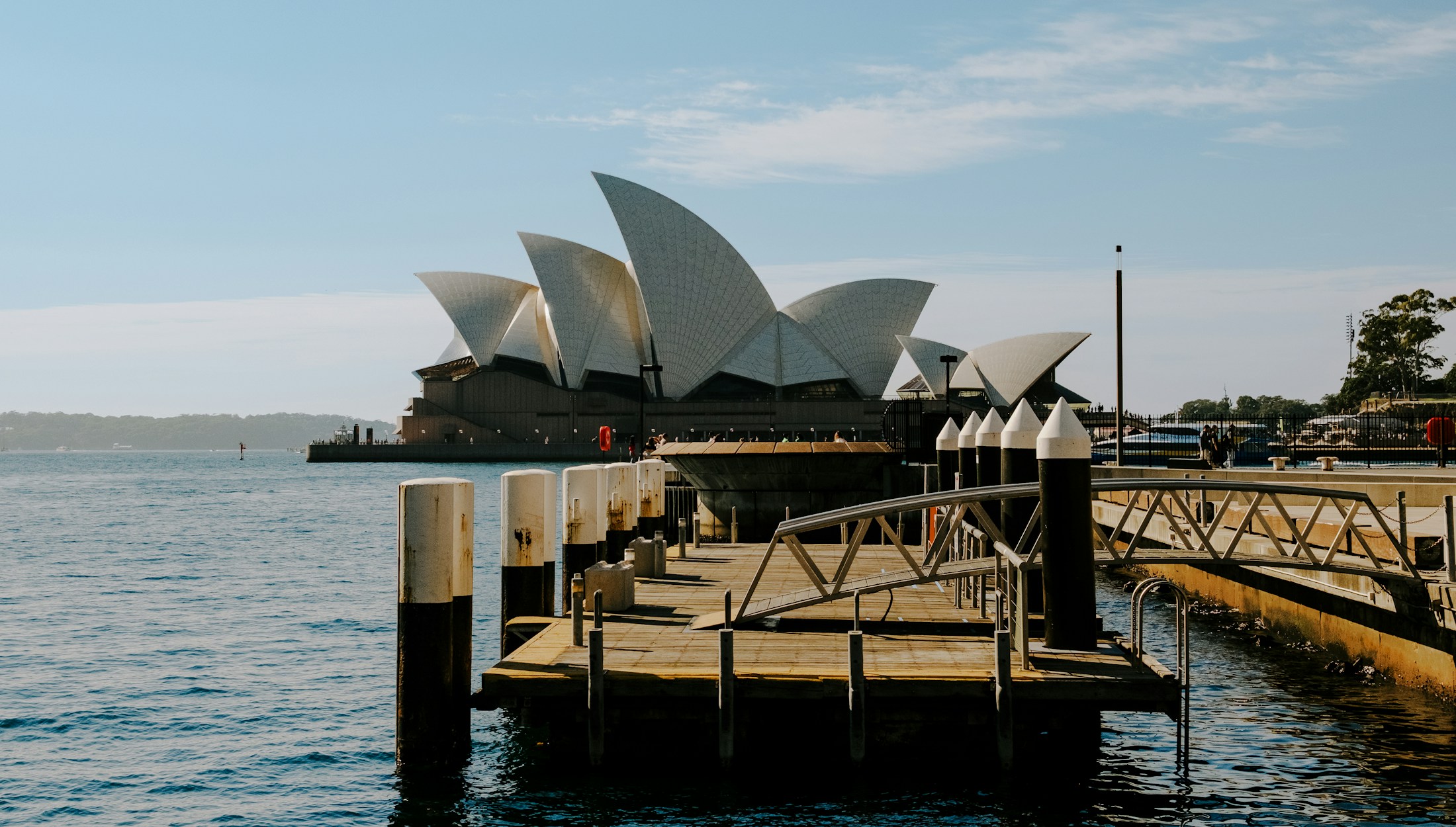
Two weeks in Australia gives you time for three distinct parts of the country: Sydney and the coast of New South Wales, tropical north Queensland, and Melbourne with a Great Ocean Road finish. This itinerary uses Sydney, Cairns, and Melbourne as the main city bases, with day trips to the Blue Mountains, Great Barrier Reef, Daintree Rainforest, Phillip Island, and the coast around Port Campbell.
The plan is designed for a first trip with a mix of city neighborhoods, beaches, wildlife, rainforest, reef time, and scenic drives. Domestic flights connect Sydney to Cairns and Cairns to Melbourne, while the final three days use a rental car for Apollo Bay, the Otways, and the Twelve Apostles.
You can use the free 14 Day Australia Itinerary Google Sheets template as the itinerary for your own trip. It includes the day-by-day plan, lodging bases, flights, attraction links, optional activities, packing items, pre-trip tasks, costs, and sample cost-splitting rows.

Itinerary Outline
- Days 1-4: Sydney, the harbour, eastern beaches, Manly, and the Blue Mountains
- Days 5-8: Cairns, the Great Barrier Reef, the Daintree Rainforest, Port Douglas, and Kuranda
- Days 9-11: Melbourne, its markets and neighborhoods, St Kilda, and Phillip Island
- Days 12-14: Great Ocean Road, Apollo Bay, the Otways, Twelve Apostles, and Port Campbell
The itinerary has four nights in Sydney, four nights around Cairns and Port Douglas, three nights in Melbourne, one night in Apollo Bay, and one night in Port Campbell. That gives each region enough time for its main experiences, with room to choose among the optional ideas in the template.
Best time and pacing for this Australia itinerary
Australia's size means Sydney, Cairns, and Melbourne can have very different weather during the same trip. September through November and March through May are useful starting points for this route because Sydney and Melbourne often have comfortable walking weather while tropical north Queensland sits outside the heart of its wettest summer period. Conditions vary each year, so check the forecast and local guidance for every region as the trip approaches.
Sydney works well in most seasons. Summer brings beach weather and busy waterfront areas, while winter days can still suit harbour walks, museums, and the Blue Mountains with a warmer layer. Mountain temperatures are usually cooler than central Sydney, and cloud can change the views quickly.
Cairns has a tropical climate. Reef operators run year-round, with daily conditions shaped by wind, visibility, tides, and the selected reef site. The Daintree also changes with rainfall and road conditions. Use the Great Barrier Reef Marine Park Authority visitor guidance and current Queensland park alerts when choosing tours and finalizing the day.
Melbourne and the Great Ocean Road can move through sun, wind, and rain over a short period. Bring layers, keep the coastal drive flexible, and check Parks Victoria for current access to walks and viewpoints. The overnight stops in Apollo Bay and Port Campbell create time for the Otways and western coast across two days.
Day 1: Arrive in Sydney and explore the harbour
After arriving at Sydney Airport, travel into the city and check in. Circular Quay, The Rocks, and the northern end of the central business district are convenient for a first visit because the Opera House, ferries, harbour walks, and several rail stations are close by. Surry Hills is another appealing base for restaurants and neighborhood atmosphere, with a short train or light-rail trip to the harbour.
Begin at Circular Quay and walk toward the Sydney Opera House. The building's tiled shells change appearance as you move around the forecourt, and the waterfront opens to views of the Harbour Bridge, ferries, and city skyline. Continue into the Royal Botanic Garden, following the water toward Mrs Macquarie's Point for a broad view back toward the Opera House and bridge.
Spend the evening in The Rocks. Its sandstone buildings, historic lanes, pubs, and harbour outlook make it an easy first-night area to explore on foot. Choose a dinner close to your lodging and allow the arrival day to set the pace for the rest of the trip.
Day 2: Bondi, the coastal walk, and inner-city neighborhoods
Start at Bondi Beach and follow the Bondi to Coogee Coastal Walk. The path passes sandstone cliffs, ocean pools, small bays, and several beaches, including Tamarama, Bronte, Clovelly, and Gordon's Bay. The full walk is about six kilometers, and you can shorten it by finishing at Bronte or Clovelly.
Allow time for a swim or a café stop when the weather suits. The ocean pools at Bondi and Bronte are especially photogenic, while Gordon's Bay has a more sheltered feel and a rocky shoreline. Check beach conditions and swim between the flags at patrolled beaches.
In the afternoon, explore Paddington or Surry Hills. Paddington is known for terrace houses, galleries, boutiques, and the greenery around Oxford Street. Surry Hills has a dense mix of restaurants, coffee shops, small bars, and independent stores. Return to Circular Quay or Barangaroo for dinner with an evening harbour view.
Day 3: Ferry to Manly and Sydney's northern beaches
Take the public ferry from Circular Quay to Manly. The ride crosses the main harbour, passing the Opera House, Harbour Bridge, waterfront suburbs, and the entrance toward the Pacific. Current ferry information is available through Transport for NSW.
From Manly Wharf, walk through the Corso to Manly Beach. Continue along the waterfront path to Shelly Beach, a small cove beside the headland. The area suits a relaxed beach day, a swim when conditions are good, or a walk through the coastal reserve above the shore.
Return by ferry in the late afternoon and walk around Barangaroo Reserve. The landscaped headland has harbour paths, sandstone terraces, and views toward Balmain and the Harbour Bridge. Walsh Bay and Barangaroo both have convenient dinner options.
Day 4: Blue Mountains day trip
Travel to Katoomba by train, organized tour, or car. Echo Point is the classic first stop, with views across the Jamison Valley and the Three Sisters sandstone formation. The Blue Mountains National Park site provides current track, fire, and access information.
Choose the rest of the day according to weather and walking interests. Wentworth Falls has lookouts and tracks ranging from short viewpoints to longer descents. Scenic World offers cableway, railway, and skyway perspectives over the escarpment and forest. Leura adds a walkable town center with cafés, gardens, and shops near Katoomba.

Return to Sydney for the night. If you want more time in the mountains, an overnight in Katoomba or Leura can replace one Sydney evening and make an early walk easier to arrange.
Day 5: Fly to Cairns and settle into tropical north Queensland
Take a morning flight from Sydney to Cairns. Stay near the Esplanade if you want restaurants, the lagoon, reef-tour check-in points, and the city center within walking distance. Port Douglas is a quieter resort base about an hour north by road and can be useful if the Daintree is a major priority.
Walk the Cairns Esplanade after checking in. The waterfront has a swimming lagoon, boardwalks, lawns, birdlife, and views toward Trinity Inlet. Confirm the check-in time and departure point for the next day's reef trip before dinner.
Day 6: Great Barrier Reef day cruise
Reserve this day for a Great Barrier Reef trip from Cairns or Port Douglas. Operators visit different outer-reef sites, pontoons, and islands, so compare the actual itinerary, travel time, group size, snorkeling support, diving options, and activities for non-swimmers. Choose a licensed operator and review the day's briefing before entering the water.
Snorkeling reveals coral gardens, reef fish, giant clams, and other marine life, with sightings changing by location and conditions. Certified divers can compare dive options, while introductory dives, glass-bottom boats, semi-submersibles, and underwater observatories may be available on selected trips. The Great Barrier Reef Marine Park Authority has visitor information and guidance for enjoying the reef responsibly.

Most full-day trips return in the late afternoon. Keep the evening relaxed around the Esplanade, Cairns Night Markets, or your hotel after several hours on the water.
Day 7: Mossman Gorge, the Daintree, and Cape Tribulation
Travel north toward Mossman Gorge, where rainforest walks begin near the cultural center. Shuttle access connects visitors with the main walking area, and Indigenous-guided experiences can add Kuku Yalanji cultural context to the landscape.
Continue across the Daintree River ferry into the rainforest. Boardwalks around Jindalba, Madja, and Dubuji introduce fan palms, mangroves, creeks, and lowland tropical forest. Cape Tribulation brings the rainforest close to the beach, with headland views across the Coral Sea. Check the Daintree National Park page for current access and visitor guidance.

Stay in Port Douglas for the night or return to Cairns. Port Douglas makes the day shorter and adds time around Macrossan Street and Four Mile Beach. Cairns keeps the lodging plan simpler and places you close to the next day's railway and cableway departures.
Day 8: Kuranda Scenic Railway and Skyrail
Use the Kuranda Scenic Railway and Skyrail Rainforest Cableway in opposite directions for two perspectives on the rainforest between Cairns and Kuranda. The railway climbs through the Barron Gorge with historic stations, bridges, tunnels, and waterfalls. Skyrail travels above the canopy and includes rainforest stops where short boardwalks and interpretive displays explain the forest.
Kuranda village has markets, cafés, galleries, and wildlife attractions. Allow time for Barron Falls viewpoints, especially when recent rain has increased the flow. Confirm the current railway and Skyrail schedules before selecting the order of travel.
Return to Cairns for the final evening and prepare for the flight to Melbourne.
Day 9: Fly to Melbourne and explore the center
Fly from Cairns to Melbourne and stay in the central business district, Southbank, or Fitzroy. The CBD gives you easy tram access to Federation Square, Queen Victoria Market, museums, and the river. Fitzroy suits travelers who prefer neighborhood restaurants, bars, live music, and independent shops.
After checking in, walk around Federation Square, Hosier Lane, Flinders Street Station, and the Yarra River. Melbourne's arcades and laneways contain cafés, small shops, restaurants, and public art, making the center rewarding to explore one block at a time.

Choose dinner around Flinders Lane, Chinatown, Carlton, or Fitzroy according to where you want to spend the evening.
Day 10: Queen Victoria Market, the NGV, and Melbourne neighborhoods
Visit Queen Victoria Market in the morning, checking its current trading days before the trip. The market combines produce, deli halls, specialty foods, clothing, gifts, and casual meals. It is a useful place to sample local products and pick up picnic supplies.
Continue to the National Gallery of Victoria on St Kilda Road. The international collection, temporary exhibitions, and large central hall can fill several hours. The Royal Botanic Gardens and Shrine of Remembrance are nearby if the weather favors more time outdoors.
Spend the evening along Southbank for river views or in Fitzroy for restaurants, pubs, and live music. Carlton is another good option for Italian food and a walk around Lygon Street.
Day 11: St Kilda, Brighton, and Phillip Island
Begin along the St Kilda waterfront, where the pier, beach, cafés, and historic Luna Park create a very different atmosphere from central Melbourne. Continue to Brighton Beach for its colorful bathing boxes and views across Port Phillip Bay.
Travel to Phillip Island in the afternoon. Before the Penguin Parade, you can visit the Nobbies boardwalk for coastal views or spend time around Cowes. Reserve the Phillip Island Penguin Parade in advance and use the arrival time listed for your date. The little penguins come ashore after sunset, and viewing times change through the year.
Return to Melbourne after the parade or stay overnight on Phillip Island if you prefer a shorter late-evening drive.
Day 12: Melbourne to Apollo Bay on the Great Ocean Road
Collect a rental car and drive southwest toward Torquay, the eastern start of the Great Ocean Road. Bells Beach is known for surf and high coastal cliffs, while Anglesea and Aireys Inlet add beaches, river scenery, and the Split Point Lighthouse area.
Continue through the Memorial Arch and toward Lorne. The road follows the coast past beaches, forested slopes, and ocean viewpoints. Stop where the weather and daylight are best, then continue to Apollo Bay for the night. The town has a beach, harbor, restaurants, and a convenient location between the eastern coast and Great Otway National Park.
Day 13: The Otways, Twelve Apostles, and Port Campbell
Start with a rainforest walk in Great Otway National Park. Maits Rest is a short loop through fern gullies and tall trees, while other open trails add waterfalls, coastal forest, and longer walks. Check current park conditions before departure.
Continue west to the Twelve Apostles. The limestone stacks rise from the Southern Ocean below cliffs shaped by wind and waves. Nearby Gibson Steps offers a beach-level perspective when access and tides allow. Loch Ard Gorge has sheltered water, high cliffs, walking paths, and the history of the 1878 Loch Ard shipwreck.

Continue to Port Campbell for the night. If daylight remains, viewpoints toward London Bridge, The Grotto, or Bay of Islands can extend the coastal portion of the day. Port Campbell is a compact base with restaurants and a sheltered bay near the main park sites.
Day 14: Return to Melbourne and depart
Drive back toward Melbourne using the inland route through Colac. Plan the departure time around the rental-car return and the check-in guidance from your airline. If your flight leaves the following day, use the afternoon for another Melbourne neighborhood, museum, or meal.
An extra night also gives you room for the Mornington Peninsula, Healesville Sanctuary, or Puffing Billy Railway. These are included as unscheduled ideas in the template so you can choose the extension that fits your interests.
Where to stay along the itinerary
Sydney
Circular Quay and The Rocks provide immediate access to the harbour, ferries, and major sights. The CBD is practical for transit and a wide range of hotels. Surry Hills and Paddington offer more neighborhood character, restaurants, and cafés while remaining close to central Sydney.
Cairns and Port Douglas
Central Cairns is convenient for reef departures, the Esplanade, restaurants, and airport access. Port Douglas has a resort-town atmosphere, a walkable center, Four Mile Beach, and a shorter drive toward Mossman Gorge and the Daintree. Splitting the four nights between both bases works well if you are comfortable changing hotels once.
Melbourne
The CBD is the easiest base for trams, markets, galleries, and day-trip departures. Southbank adds river views and access to the arts precinct. Fitzroy and Carlton are strong choices for restaurants and neighborhood evenings.
Great Ocean Road
Apollo Bay is well placed for the eastern coast and Otways. Port Campbell is close to the Twelve Apostles, Loch Ard Gorge, and the western park viewpoints. Booking one night in each town gives the drive a natural two-day rhythm.
Flights, driving, and booking priorities
Book the Sydney-to-Cairns and Cairns-to-Melbourne flights once the city order and travel dates are set. A multicity international ticket that arrives in Sydney and departs from Melbourne can save a return flight across the country.
Sydney, Cairns, and Melbourne have useful public transportation and tour options, so a car is most valuable for the Daintree and Great Ocean Road portions. If you plan to drive in the Daintree, review ferry information, current road conditions, and rental-car terms. For the Great Ocean Road, collect the car as you leave Melbourne and return it before the flight.
The most time-sensitive reservations are usually the Great Barrier Reef cruise, Phillip Island Penguin Parade, popular Sydney Opera House experiences, and central lodging during busy periods. Kuranda rail and Skyrail combinations can also sell out on preferred dates. Check market opening days, park alerts, and tour schedules before assigning the final days.
Optional ideas for a longer Australia trip
Add two or three days in Brisbane and the Gold Coast between Sydney and Cairns for riverfront neighborhoods, beaches, and southeast Queensland. Uluru and Kata Tjuta can become a separate three-day desert segment with flights and guided or self-drive planning. Tasmania suits a longer extension focused on Hobart, national parks, food, and road-trip scenery.
Within this itinerary, Taronga Zoo, the Sydney Harbour BridgeClimb, Fitzroy Island, Melbourne Museum, Healesville Sanctuary, Puffing Billy Railway, and the Mornington Peninsula are included as optional ideas. They stay available in the itinerary while you decide which experiences fit your trip.
Travelers considering another Oceania itinerary can also compare this plan with the New Zealand South Island itinerary and its Queenstown, Wanaka, Aoraki/Mount Cook, Te Anau, and Milford Sound logistics.
What the Australia Google Sheets itinerary template includes
- A scheduled Sydney, Cairns, Melbourne, and Great Ocean Road itinerary
- Unscheduled ideas for museums, wildlife, islands, neighborhoods, beaches, and day trips on the Itinerary tab
- Specific locations, official links, lodging notes, flight reminders, and booking details
- A packing list and pre-trip checklist tailored to this Australia trip
- Cost fields and sample split-cost rows for shared travel expenses
For a general planner you can adapt to any trip, see the free Google Sheets travel planner and itinerary template.
How Travel Mapper helps with an Australia trip
Travel Mapper adds map-based itinerary planning to Google Sheets. Seeing the Sydney neighborhoods, Cairns-area excursions, Melbourne stops, and Great Ocean Road overnights on a map helps you review how the lodging bases and day trips fit together before booking.
You can fine-tune the plan with drag-and-drop itinerary editing, use Google Maps autofill while adding places, email the itinerary, and export it to Google My Maps. The Travel Mapper Chrome extension can also add an activity from a hotel, restaurant, attraction, or tour page while you research the trip.
If you want to review or edit the trip from your phone while traveling, the Travel Mapper web app works in a mobile browser.
The Google Sheets itinerary remains available for free. You can try the full Travel Mapper add-on feature set for seven days, then upgrade when you want to continue using the map view and other add-on tools.
Australia itinerary FAQ
Is 14 days enough for Sydney, Cairns, and Melbourne?
Yes. Four nights in Sydney, four nights around Cairns, and five nights across Melbourne and the Great Ocean Road create a useful first-trip overview. The domestic flights make the long north-south distances practical.
How many days should I spend in each place?
Use four days for Sydney and the Blue Mountains, four days for Cairns and tropical north Queensland, three days for Melbourne, and three days for Phillip Island and the Great Ocean Road. Add time to the region that best matches your interests.
Do I need a car for this Australia itinerary?
You do not need a car in central Sydney, Cairns, or Melbourne. A rental car or organized tour is useful for the Daintree. A car gives you the most flexibility for the Great Ocean Road, Apollo Bay, the Otways, and Port Campbell.
What is the best order for Sydney, Cairns, and Melbourne?
Sydney to Cairns to Melbourne works well for an international arrival in Sydney and departure from Melbourne. The reverse order is equally practical when flight schedules or seasonal weather favor starting in Victoria.
Can I visit the Great Barrier Reef if I do not snorkel or dive?
Yes. Selected operators offer glass-bottom boats, semi-submersibles, underwater observatories, pontoons, and island activities. Compare the inclusions for the exact trip before booking.
Should I stay in Cairns or Port Douglas?
Cairns has convenient airport access, more reef departures, and a larger selection of restaurants and lodging. Port Douglas offers a smaller beach-town base and easier access toward Mossman Gorge and the Daintree. A split stay lets you experience both.
Can I copy and change the Australia itinerary template?
Yes. Open the free Australia Google Sheets itinerary, make your own copy, and adjust the dates, lodging, flights, activities, costs, notes, and optional ideas for your trip.
Copy the free itinerary first, then use Travel Mapper for Google Sheets when you want to see the trip on a map and use the add-on planning features.