
7 Day Slovenia Road Trip Itinerary + Free Google Sheets Template
Matt - August 27, 2026
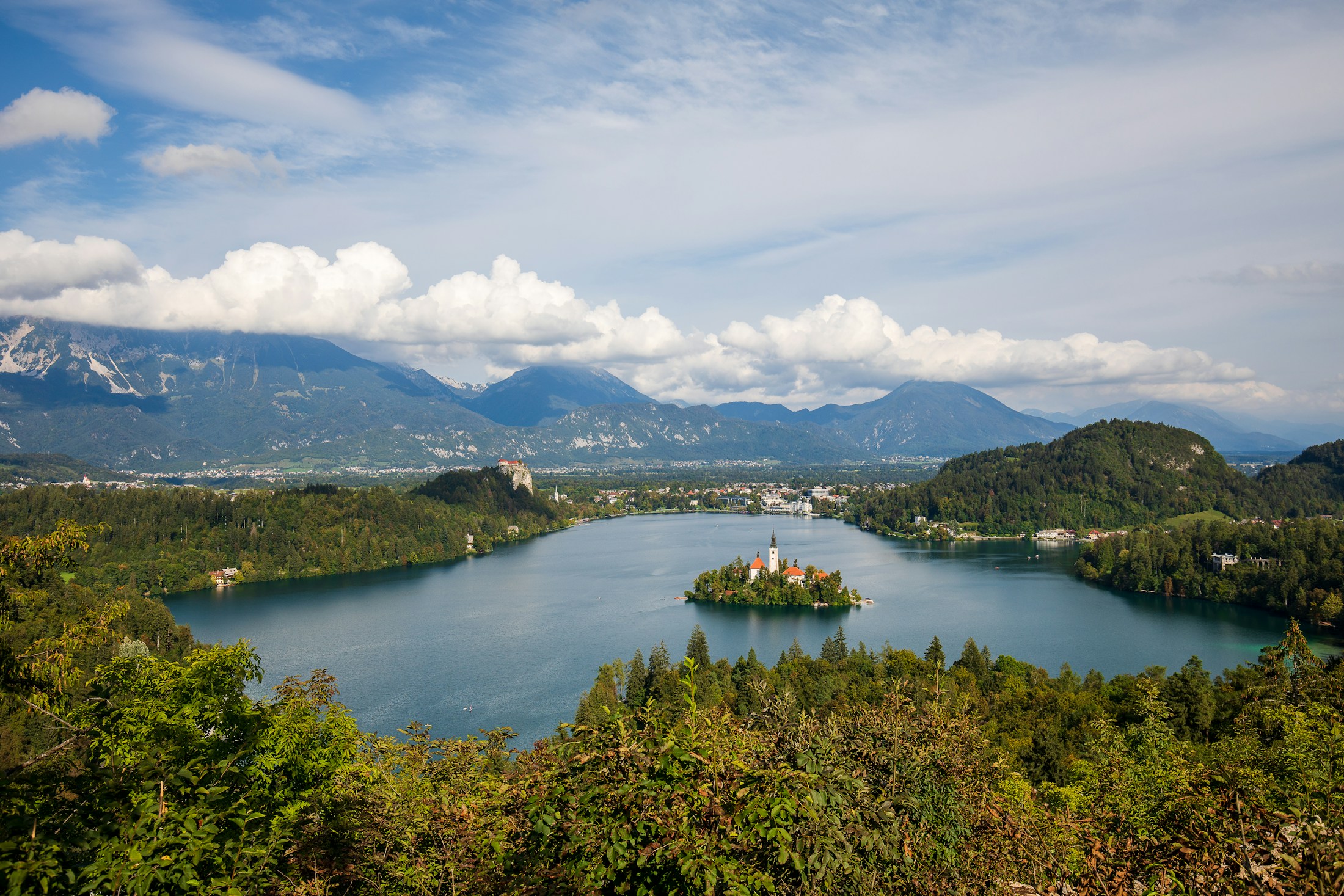
Slovenia works especially well for a one-week road trip because alpine lakes, mountain valleys, caves, wine country, and the Adriatic coast are all within a few hours of one another. This itinerary starts in Ljubljana, spends two days around Lake Bled and Lake Bohinj, crosses the Julian Alps into the Soca Valley, visits Predjama Castle and Postojna Cave, and finishes beside the sea in Piran.
The sample dates run from June 7 through June 13. Late spring through early fall gives you the widest choice of mountain roads, trails, lake activities, and coastal evenings. Check current road, lift, gorge, cave, and attraction schedules as your trip approaches, especially if you plan to drive the Vrsic Pass early or late in the season.
You can use the free 7 Day Slovenia Road Trip Google Sheets template as the itinerary for your own trip. It includes the day-by-day plan, specific locations, lodging bases, driving notes, official links, optional ideas, packing items, pre-trip tasks, costs, and sample cost-splitting rows.

Itinerary Outline
- Day 1: Arrive in Ljubljana and explore the historic center
- Day 2: Ljubljana Castle, riverside neighborhoods, and local food
- Day 3: Lake Bled, Bled Castle, and Vintgar Gorge
- Day 4: Lake Bohinj, Vogel, Kranjska Gora, and Lake Jasna
- Day 5: Vrsic Pass, the Soca Valley, Bovec, and Kobarid
- Day 6: Tolmin Gorges, Predjama Castle, and Postojna Cave
- Day 7: Piran, the Slovenian coast, and departure from Ljubljana
The itinerary uses five lodging bases: Ljubljana, Bled, Kranjska Gora, Kobarid, and Piran. Each base puts you close to the next day's main sights, and the drives connect distinct parts of Slovenia in a practical sequence.
Best time and pacing for a Slovenia road trip
May, June, September, and early October are appealing for comfortable sightseeing temperatures and a good range of outdoor activities. July and August bring the warmest lake and coastal weather, along with more visitors at Lake Bled, Vintgar Gorge, Postojna Cave, and Piran. Alpine roads and higher trails can still be affected by snow in spring, and autumn weather changes quickly in the mountains.
The Vrsic Pass is one of the highlights of the route. Its 50 numbered hairpin turns climb through forest and open mountain scenery between Kranjska Gora and the Trenta Valley. Review the latest conditions through Slovenia's Traffic Information Centre before departure. If the pass is closed, use the lower route toward the Soca Valley and allow more driving time.
Summer reservations are useful for Vintgar Gorge, the Vogel cable car, Postojna Cave, and popular restaurants in Ljubljana, Bled, and Piran. Book your rental car and lodging early when traveling in July or August. A small car is convenient for mountain roads, village streets, and parking areas.
Day 1: Arrive in Ljubljana and explore the historic center
Collect your rental car at Ljubljana Joze Pucnik Airport or use an airport transfer and pick up the car when you leave the city. Central Ljubljana is compact, and a hotel with parking or easy garage access simplifies the first two days.
Begin at Preseren Square, the city's central meeting point beside the salmon-pink Franciscan Church. The Triple Bridge crosses from the square into the pedestrianized old town, where streets follow the Ljubljanica River past cafes, markets, and Baroque facades.
Walk through the Central Market and the arcaded riverside buildings designed by Joze Plecnik. The market is best in the morning, while the riverside terraces become livelier in the afternoon and evening. Continue to Dragon Bridge, known for the copper-green dragons that have become a symbol of Ljubljana.
For dinner, choose a restaurant in the old town, around Gornji trg, or near Trubarjeva cesta. Slovenian menus often bring together Alpine, Mediterranean, Balkan, and Central European influences, so the city is a useful place to try dishes from several regions before the road trip begins.
Day 2: Ljubljana Castle, riverside neighborhoods, and local food
Take the funicular from Krek Square or walk up Castle Hill to Ljubljana Castle. The grounds and viewing areas look across the red-roofed old town toward the Kamnik-Savinja Alps. Exhibitions inside cover Slovenian history, the castle's development, and the city's changing role in the region.
After returning to the center, explore the streets between Town Square, Mestni trg, and Gornji trg. The Robba Fountain, Town Hall, Cathedral of St. Nicholas, small courtyards, and independent shops make this part of Ljubljana rewarding at an unhurried pace.
Spend the afternoon along the river or in Tivoli Park. Tivoli has broad lawns, tree-lined paths, the Jakopic Promenade, and access to the International Centre of Graphic Arts. Metelkova is another option for contemporary art, murals, and nightlife in a former military complex.

Ljubljana is also a good place for a food tour or market-focused experience. Look for seasonal produce, cheeses, cured meats, honey, pumpkin-seed oil, pastries, and wines from Slovenia's different growing regions. Finish with another evening by the river or a quieter dinner in Krakovo, a historic neighborhood of small houses and gardens south of the center.
Day 3: Lake Bled, Bled Castle, and Vintgar Gorge
Drive from Ljubljana to Lake Bled in the morning. The lake is known for its island church, cliff-top castle, walking path, and backdrop of the Julian Alps. The full lakeside path is about six kilometers and passes beaches, rowing centers, parks, and several viewpoints.
Visit Bled Castle for views across the lake and mountains. The castle complex includes museum rooms, courtyards, a chapel, and terraces above the water. A traditional pletna boat can take you to Bled Island, where a staircase leads to the Church of the Assumption.
Try Bled cream cake at a cafe with a lake view, then continue to Vintgar Gorge. Wooden walkways follow the Radovna River through a narrow limestone gorge with clear pools, rapids, and waterfalls. The current visit uses a one-way route with return paths and shuttle arrangements that can vary by season, so reserve your entry and review the latest access plan before going.
Stay in Bled for a walkable evening or near the western side of the lake for easier access to quieter trails and beaches. Ribno and nearby villages offer a calmer rural base within a short drive of the lake.
Day 4: Lake Bohinj, Vogel, Kranjska Gora, and Lake Jasna
Drive through the Upper Bohinj Valley to Lake Bohinj, Slovenia's largest natural permanent lake. The shoreline sits within Triglav National Park and feels more spacious and less developed than Bled. Ribcev Laz has the stone Church of St. John the Baptist and a photogenic bridge at the eastern end of the lake.
Continue along the south shore to Ukanc and the Vogel cable car. The ride climbs above the lake to mountain viewpoints and hiking routes. In clear weather, the upper station opens views across the Bohinj basin and surrounding Julian Alps. Check operating hours and weather before leaving Bled.

Walk a section of the Bohinj lakeshore or visit Savica Waterfall, reached by a stepped forest trail beyond Ukanc. The waterfall drops from a limestone gorge into an emerald pool, and the surrounding paths offer a closer look at the park's forest and rock formations.
In the afternoon, drive north toward Kranjska Gora. Stop at Lake Jasna, a pair of clear alpine lakes framed by the peaks of Razor and Prisojnik. The lakeside paths, wooden platforms, and mountain reflections make it an easy introduction to the scenery around Kranjska Gora. Stay in the village for access to restaurants, outdoor shops, and the next morning's Vrsic Pass drive.
Day 5: Vrsic Pass, the Soca Valley, Bovec, and Kobarid
Leave Kranjska Gora early and begin the climb over Vrsic Pass. The Russian Chapel, built in memory of prisoners who died during construction of the mountain road, is a meaningful stop among the forested lower turns. Higher viewpoints open toward the limestone peaks of the Julian Alps.
Descend into the Trenta Valley, where the Soca River is known for bright turquoise water, white gravel banks, suspension bridges, and narrow gorges. Short paths near the Great Soca Gorge provide close views of the river moving through sculpted limestone channels.
Continue to Bovec, the main outdoor base for rafting, kayaking, canyoning, hiking, and mountain biking in the upper valley. Choose an experienced local operator for a river activity, or spend the afternoon visiting Boka Waterfall and the nearby Virje Waterfall. Boka is visible from a roadside viewpoint, while Virje sits in a green forest setting near Pluzna.

Drive south to Kobarid for the night. The Kobarid Museum explains the Isonzo Front and the area's First World War history through maps, photographs, personal accounts, and artifacts. The Kozjak Waterfall trail follows the Soca and crosses suspension bridges before reaching a sheltered rock chamber where the waterfall drops into a blue-green pool.
Kobarid has a strong food scene for a small town, with restaurants that use local trout, cheese, herbs, lamb, and produce from the Soca Valley. Reserve ahead for a specific restaurant during the summer season.
Day 6: Tolmin Gorges, Predjama Castle, and Postojna Cave
Begin at Tolmin Gorges, the lowest entrance point into Triglav National Park. The circular trail passes the Tolminka and Zadlascica rivers, narrow rock walls, thermal springs, and the high Devil's Bridge. Sturdy shoes are helpful because the route includes steps and uneven sections.
Drive southeast through Slovenia's karst landscape to Predjama Castle. The castle is built into the mouth of a tall cave in a limestone cliff, creating one of the country's most distinctive historic sites. Interior rooms, defensive passages, and exhibits explain how the rock shaped the castle's design and supplied hidden access to the cave system.

Continue to Postojna Cave, where an electric train and guided walking route lead through large chambers filled with stalactites, stalagmites, columns, and draped mineral formations. The cave stays cool throughout the year, so bring a warm layer even in summer. Timed tickets can combine Postojna Cave and Predjama Castle, and the two sites are about ten kilometers apart.
Drive to Piran in the late afternoon. Park in one of the garages outside the pedestrian center and use the shuttle or walk to your hotel. Finish the day around Tartini Square and the harbor as the light changes over the Adriatic.
Day 7: Piran, the Slovenian coast, and departure
Piran's old town fills a narrow peninsula with Venetian-influenced facades, stone lanes, small squares, and views across the Gulf of Trieste. Start in Tartini Square, named for the violinist Giuseppe Tartini, then walk up to St. George's Parish Church. The terrace and bell tower look over the rooftops, harbor, and Adriatic coast.
Follow the lanes toward Punta, the tip of the peninsula, and continue along the seafront. Cafes and seafood restaurants line the water, while the narrow streets behind the promenade lead to quiet courtyards and sections of the old town wall. The Walls of Piran provide another elevated view across the peninsula.

If your flight is later in the day, visit the Secovlje Salina Nature Park. Salt has been produced in these coastal wetlands for centuries, and the park combines working salt pans, bird habitat, walking routes, and a museum landscape. Portoroz is another nearby option for a beach walk, spa visit, or relaxed lunch by the water.
Allow about 90 minutes for the drive from Piran to Ljubljana Airport, with extra time for summer traffic, fuel, the rental-car return, and check-in. An additional night in Ljubljana works well for an early departure the next morning.
Where to stay along the route
Ljubljana
The old town and riverfront are best for walking to major sights and restaurants. Hotels near Tivoli Park can offer easier vehicle access, while Trnovo and Krakovo have a quieter neighborhood feel close to the center. Confirm parking arrangements before arrival.
Lake Bled
Central Bled is convenient for the lake path, boat departures, cafes, and evening restaurants. The western shore and nearby villages feel more peaceful and provide quick access toward Bohinj. Look for lodging with parking during the summer months.
Kranjska Gora
The village center puts restaurants, shops, Lake Jasna, and the Vrsic Pass road within easy reach. Lodging around Podkoren is quieter and close to the Zelenci Nature Reserve and the road toward the Italian border.
Kobarid
Stay in central Kobarid for the museum and restaurants, or choose a guesthouse in the surrounding Soca Valley for mountain views and a rural setting. Bovec is the better base when rafting, canyoning, or other guided outdoor activities are a priority.
Piran
The pedestrian old town is the most atmospheric choice for a final night, with Tartini Square, the harbor, and seafront nearby. Portoroz has larger hotels, beaches, pools, and simpler vehicle access. Check whether your Piran hotel includes parking or a garage arrangement.
Driving and booking priorities
Reserve an automatic car early if that is your preference, since manual transmissions are common in European rental fleets. Confirm cross-border rules if you plan to add Trieste, the Italian lakes, or Croatia. Slovenia uses an electronic vignette for motorways; rental companies usually provide one, but verify that it is active before using toll roads.
Book Vintgar Gorge, Postojna Cave, and any guided Soca Valley activity ahead during the main summer season. Check the Vogel cable car timetable, Vrsic Pass conditions, and Triglav National Park guidance close to departure. Mountain storms can arrive quickly, so use the clearer part of the day for lifts, viewpoints, and longer walks.
Parking is controlled around central Ljubljana, Lake Bled, Lake Bohinj, and Piran. Use signed public parking areas and follow local payment instructions. In Piran, the garages outside the historic center are the practical option for overnight visitors.
Optional ideas for your Slovenia itinerary
Add Skocjan Caves for a dramatic underground canyon and a UNESCO World Heritage site. The guided route crosses high bridges above the Reka River and passes through enormous chambers shaped by flowing water.
Add the Vipava Valley for wineries, stone villages, orchards, and restaurants between the Soca Valley and the karst region. A winery visit is easiest with a designated driver, a guided tour, or an overnight stay.
Add Lipica Stud Farm to learn about the Lipizzaner horse tradition and visit the historic estate, stables, pastures, and performance spaces. Lipica fits well with Skocjan Caves on a longer karst-region day.
Add Velika Planina for a high plateau of traditional herders' huts, walking paths, and mountain views north of Ljubljana. Cable-car and chairlift operations vary by season and weather.
Add Maribor and Ptuj for eastern Slovenia. Maribor has riverside neighborhoods and the wine-growing hills of Styria, while Ptuj is known for its hilltop castle, red-roofed old town, and long history along the Drava River.
What the Slovenia Google Sheets itinerary template includes
- A scheduled Ljubljana, Bled, Bohinj, Kranjska Gora, Soca Valley, Postojna, and Piran itinerary
- Unscheduled ideas for caves, wine country, alpine plateaus, historic towns, restaurants, and trip extensions on the Itinerary tab
- Specific locations, official links, lodging notes, driving reminders, and booking details
- A packing list and pre-trip checklist tailored to mountain weather, cave visits, lake activities, and the coast
- Cost fields and sample split-cost rows for shared lodging, rental car, fuel, parking, tickets, and activities
For a general planner you can adapt to any trip, see the free Google Sheets travel planner and itinerary template.
How Travel Mapper helps with a Slovenia road trip
The Travel Mapper Google Sheets add-on adds map-based itinerary planning to Google Sheets. Seeing Ljubljana, the alpine lakes, mountain passes, the Soca Valley, karst attractions, the coast, lodging bases, and the airport on the same map helps you review the geography of the trip while you adjust the daily plan.
You can organize the itinerary with drag-and-drop editing, use Google Maps autofill while adding places, email the itinerary, and export it to Google My Maps. The Travel Mapper Chrome extension can add a hotel, restaurant, attraction, trail, winery, or tour from a page you are researching.
If you want to review or edit the trip from your phone while traveling, the Travel Mapper web app works in a mobile browser.
The Google Sheets itinerary remains available for free. You can try the full Travel Mapper add-on feature set for seven days, then upgrade when you want to continue using the map view and other add-on tools.
Slovenia road trip FAQ
Is seven days enough for a Slovenia road trip?
Yes. Seven days is enough for Ljubljana, Lake Bled, Lake Bohinj, the Soca Valley, Postojna, and Piran. The itinerary moves most days, so add two or three nights for more hiking, rafting, wine tasting, or time by the coast.
Do I need a rental car in Slovenia?
A rental car is the easiest way to follow this route and reach mountain valleys, waterfalls, caves, and coastal stops. Ljubljana itself is easy to explore on foot, so you can collect the car when leaving the city if that suits your flight and hotel plans.
What side of the road do people drive on in Slovenia?
Traffic drives on the right. Roads are generally well maintained, while alpine sections can be narrow and winding. Check the current weather and road conditions before driving Vrsic Pass.
Should I stay in Lake Bled or Lake Bohinj?
Lake Bled has more hotels, restaurants, and evening activity. Lake Bohinj offers a quieter national-park setting with direct access to the Vogel cable car, lakeshore walks, and mountain trails. This itinerary stays in Bled and visits Bohinj the next day.
Is Piran worth visiting on a one-week trip?
Yes. Piran adds a compact Venetian-influenced old town, Adriatic views, seafood, and a different landscape from the alpine and karst regions. One night gives you an evening and morning in the pedestrian center.
Can I use the Slovenia itinerary template for free?
Yes. Open the Slovenia itinerary template, make a copy in Google Drive, and customize it for your dates and interests. The spreadsheet remains usable after the Travel Mapper add-on trial.
How do I see the itinerary on a map?
Install Travel Mapper from the Google Workspace Marketplace and open the map from the Extensions menu in Google Sheets. The add-on includes a seven-day trial of its full feature set.