
10 Day Laos Itinerary + Free Google Sheets Template
Matt - October 10, 2026
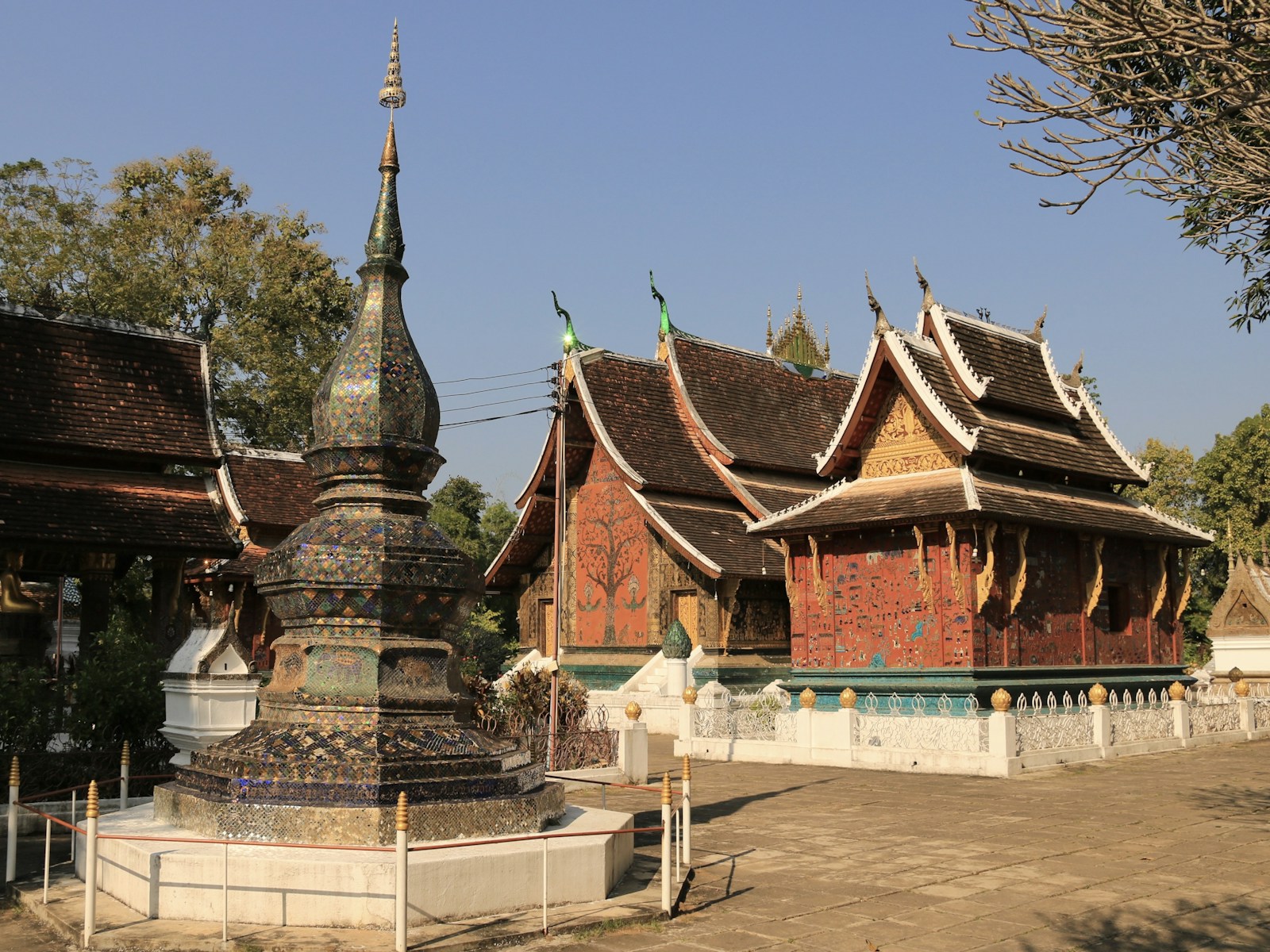
For a first ten-day trip to Laos, I would spend four nights in Luang Prabang, three in Vang Vieng, and two in Vientiane. Start with temples, riverfront streets, and waterfall outings, continue south for limestone scenery and countryside activities, then finish with the capital's monuments and museums. The Laos-China Railway connects these three bases, with days 5 and 8 set aside for station transfers, the train journey, and settling into the next stay.
The itinerary is also available as a free Laos Google Sheets itinerary template. Copy it to customize the dates, activities, lodging, and costs for your trip.

Itinerary Outline
- Day 1: Luang Prabang. Arrive, settle into your lodging, and walk the old peninsula before dinner.
- Day 2: Luang Prabang heritage. Visit Wat Xieng Thong and the Royal Palace Museum, then climb Phousi Hill.
- Day 3: Kuang Si waterfall. Spend the main part of the day at the falls, with an optional textile stop on your return.
- Day 4: Mekong outing. Visit Pak Ou caves and keep the afternoon for cafes, shopping, or another temple.
- Day 5: Vang Vieng. Take the train south, check in, and spend the afternoon beside the Nam Song River.
- Day 6: Vang Vieng countryside. Visit Blue Lagoon 1 and consider a Nam Xay viewpoint hike if conditions suit.
- Day 7: Vang Vieng. Explore Tham Chang cave, followed by riverfront time or a locally checked guided activity.
- Day 8: Vientiane. Continue by train, visit Wat Sisaket if arrival timing allows, and walk the Mekong waterfront.
- Day 9: Vientiane sights. Visit Pha That Luang, Patuxay, and the COPE Visitor Centre.
- Day 10: Departure. Have breakfast and transfer to Wattay International Airport or your next confirmed connection.
Best Time and Pacing for This Laos Itinerary
For outdoor sightseeing, November through February would be my first choice. Luang Prabang's official seasonal guidance describes November through March as the mostly dry, cooler period, with cool mornings possible in January and February. A light layer is useful for early starts and river outings. Later in the dry season, allow more rest time around the hottest part of the day.
The wetter months bring greener scenery and changing waterfall, river, and trail conditions. Check local forecasts and access information before countryside outings. The current Laos travel advice includes flooding guidance, so a recently published itinerary should still be checked against conditions during your visit.
This plan assumes an arrival in Luang Prabang on day 1 and departure from Vientiane on day 10. Four nights in the first base give you two out-of-town excursions and a full heritage day. Three nights in Vang Vieng leave two complete days for the countryside. Two nights in Vientiane provide an arrival afternoon and a full day in the capital.
The sample Sheet uses January 11-20, 2027. Its train, flight, and activity times are planning blocks to replace with your bookings. If your flight reaches Luang Prabang late, start the peninsula walk on day 2. For a Vientiane arrival, reverse the order and recheck museum opening days and train connections.
Day 1: Arrive in Luang Prabang and Walk the Peninsula
Arrange your airport transfer and settle into a hotel or guesthouse in or near the old peninsula. I would choose this area for a first visit because it keeps the heritage walks, evening dining, and riverfront close to your lodging. Confirm your property's pickup instructions and leave the first afternoon flexible around arrival formalities and luggage.
Once you are ready, walk the lanes toward the meeting of the Mekong and Nam Khan rivers. This first outing is about getting familiar with the town: temple grounds, low-rise buildings, cafe terraces, and public riverfront viewpoints. Wat Xieng Thong anchors the northern end of the walk; the temple visit itself comes tomorrow.
For dinner, choose a restaurant near your lodging or browse the night-market area. The official night-market guide identifies Sisavangvong Road as the evening shopping area, particularly for textiles and handicrafts. Allow time to look at individual stalls and check food ingredients directly if you have dietary needs.
Day 2: Temples, the Royal Palace, and Phousi Hill
Morning: Wat Xieng Thong
Begin with Wat Xieng Thong, one of Luang Prabang's most distinctive temple complexes. Its layered roofs and glass mosaics reward a close look, and the setting on the peninsula makes it a natural starting point for a heritage walk. Wear clothing that covers shoulders and knees and follow instructions about entering individual buildings.
Continue through the old town at a comfortable walking pace. A cafe break between the temple and museum gives the morning some flexibility around weather and visitor sessions.
Midday: Royal Palace Museum
The National Museum in the former Royal Palace adds historical context to the town's architecture and Buddhist heritage. The palace combines Lao and French-influenced design, and the museum setting includes the nearby Ho Pha Bang temple building. Check the current entry sessions, any lunch closure, and photography rules before arranging your morning.
Have lunch in the center, then return to your lodging for a break if you would enjoy a quieter afternoon. Textiles, smaller temples, and the riverfront are easy ways to fill the remaining time.
Late Afternoon: Phousi Hill
Phousi Hill gives you a view over the town and surrounding rivers. The ascent involves a substantial staircase, so bring water, choose suitable footwear, and allow time for the climb and descent. The hill includes a sacred temple setting; keep temple-appropriate clothing on throughout the visit.
Choose an afternoon start that leaves daylight for returning down the steps. Finish with dinner and an evening market visit if you want another look at the handicraft stalls.
Day 3: Kuang Si Waterfall and an Optional Textile Visit
Kuang Si waterfall is a worthwhile outing from Luang Prabang for its forest setting, cascades, and pools. Give it the main part of the day. Arrange a return vehicle, agree on the pickup location and time, and bring footwear suitable for wet paths.

Walk the marked paths and follow current signs about which areas are open and where swimming is permitted. Water levels and appearance change with rainfall. The site also includes a bear rescue center; check the visitor route when you arrive. Plan lunch as part of the excursion and confirm your return arrangements before setting off along the paths.
After returning toward town, the Ock Pop Tok Living Crafts Centre makes a useful optional stop for travelers interested in Lao textiles. It has a riverside setting and opportunities to learn about textile work when staff and activities are available. Confirm the current tour or workshop schedule in advance. A booked class would deserve its own longer time block, so you could move it to day 4 instead.
Day 4: Pak Ou Caves and a Flexible Luang Prabang Afternoon
Use the morning for an arranged Mekong outing to Pak Ou caves. The caves contain Buddha images and provide a different setting for understanding the area's religious heritage. A river approach also gives you time to see the landscape upstream from town.
Before booking, ask about the departure point, return time, lifejackets, cave entry, and the stairs involved. Confirm river conditions locally. Keep the whole morning available, with lunch timing arranged around the return. Travelers who prefer a road-based approach can ask a local operator about the road journey and final river crossing.
Spend the afternoon in town. A cafe such as Joma is one option; its official branch list helps distinguish the Luang Prabang locations. You could also visit Wat Visounnarath, browse textile shops, or book a craft activity. Choose one main afternoon interest and leave time for packing before tomorrow's train.
Morning alms observation is another optional activity during your Luang Prabang stay. Follow the city's official alms-giving etiquette: observe quietly at a respectful distance and avoid interrupting the procession or using flash. Participation should be guided by local practice and your understanding of the ceremony.
Day 5: Train to Vang Vieng and a Nam Song Afternoon
Book the Luang Prabang-Vang Vieng leg for your actual travel date. Treat the whole move as a sequence: lodging pickup, station arrival, ticket and identification checks, train, then transport to your Vang Vieng stay. Ask your lodging or booking provider to confirm the station pickup time against the issued ticket.
The railway's official LCR Ticket app provides a first-party source for ticket searches and booking functions. Check the available timetable, current booking requirements, luggage rules, and accepted identification through the operator or your booking provider. The sample Sheet's departure block is illustrative.
Stay centrally or near the Nam Song River if you want restaurants and riverside time close by. After checking in, spend the afternoon at public riverfront viewpoints and have dinner nearby. Vang Vieng's limestone hills and river valley are the focus of the next two days; this arrival afternoon gives you a useful first look at the landscape.

Day 6: Blue Lagoon 1 and the Vang Vieng Countryside
Arrange a local driver or an organized outing for the countryside west of town. Blue Lagoon 1 is the morning anchor in this plan, with time for the surrounding landscape and a break before returning toward town for lunch. Several attractions use similar lagoon names, so confirm the exact destination with your driver when booking.
The official Vientiane Province visitor guide outlines Vang Vieng's river, cave, and lagoon attractions. Ask locally about the road approach, entrance arrangements, and current swimming conditions. Decide on water activities after checking the site's instructions and your own comfort in the water.
Nam Xay viewpoint is an optional afternoon hike for a broad view across the karst landscape. A local operator's viewpoint guide provides background, but check the trail and gate status locally before leaving town. Expect steep, uneven sections and allow a generous block for both directions. Bring shoes with grip and finish while there is daylight.
For a lower-effort afternoon, spend longer by the river or return to your lodging after lunch. The hike is optional, and the day still offers a full countryside outing without it.
Day 7: Tham Chang Cave and Time Along the River
Start with Tham Chang cave, another way to experience the limestone landscape around Vang Vieng. Confirm the current approach and entry arrangements with your accommodation before setting out. Allow time for the steps, cave visit, and surrounding views, then have lunch back in town.
I would keep the afternoon open for riverside time. A guided kayaking activity is another option when the operator, equipment, and river conditions have been checked. Ask about the actual route, included transport, lifejackets, and whether the activity suits your experience. The Laos safety guidance is a useful starting point for river and adventure-activity precautions.
Kaeng Nyui waterfall is a weather-dependent alternative on the eastern side of town. Make it the main outing for this day if local access and trail conditions are suitable, and arrange return transport. This is a useful swap for travelers who prefer another forest-and-waterfall setting to a cave visit.
Day 8: Train to Vientiane, Wat Sisaket, and the Mekong
Continue south by train and arrange the transfer from Vientiane station to your lodging. Choose a central stay near the Namphou or Mekong waterfront area if you want dining and evening walks nearby. Keep the afternoon's sightseeing flexible until the train and check-in times are confirmed.
Wat Sisaket is a good first visit if you arrive while it is open. Its cloisters and Buddha images make it an interesting introduction to the capital's temple heritage. Check the visitor session before leaving your hotel; the official Vientiane guide lists the city's principal attractions and opening information.
Later, head to the Mekong riverfront for a walk and the evening market area. It is a convenient way to finish the day near central restaurants. Choose dinner around your lodging area and leave tomorrow for the monuments and visitor center.
Day 9: Pha That Luang, Patuxay, and COPE
Morning: Pha That Luang and Patuxay
Begin at Pha That Luang, the capital's prominent golden Buddhist monument. The official visitor guide lists the monument as open Tuesday through Sunday, with separate morning and afternoon sessions and a Monday closure. Recheck the schedule for your dates and move this visit if necessary. The sample January itinerary places this day on a Tuesday.
Continue to Patuxay for its monumental arch and surrounding park. The combination works well as a morning focused on the city's major landmarks. Arrange the transfers between them and keep lunch in the center.

Afternoon: COPE Visitor Centre
The COPE Visitor Centre introduces the organization's rehabilitation work and the continuing impact of unexploded ordnance in Laos. Give the exhibits a thoughtful afternoon block. Confirm its current visitor hours directly before traveling, particularly around holidays.
Wat Si Muang is an optional temple visit if you want more time with the capital's living religious traditions. Buddha Park is a longer outing to consider if sculpture is a particular interest; arrange transport and make it your main afternoon activity. The Sheet keeps both as undated choices so you can decide after confirming your priorities and local opening information.
Day 10: Depart From Vientiane
Have breakfast near your hotel, collect your luggage, and take the prearranged transfer to Wattay International Airport. Confirm pickup against the airline's check-in guidance and your actual flight. For an onward rail or land connection, replace the airport block with the booked departure point and leave the appropriate transfer margin.
If your flight is later, a nearby cafe or riverfront walk can fill the morning. I would choose something close to the luggage pickup point so the final transfer remains straightforward.
Where to Stay Across the Three Bases
- Luang Prabang, four nights: The old peninsula or its nearby streets suit a first visit centered on temples, markets, and evening walks. A riverside property farther from the center can work well if it provides convenient transport.
- Vang Vieng, three nights: A central or riverfront stay makes dining and short evening outings convenient. For a countryside property, check the transport available for meals, activities, and your train pickup.
- Vientiane, two nights: The central Namphou and Mekong waterfront area works well for restaurants and arrival-day sightseeing. Confirm the station-to-hotel and hotel-to-airport transfers independently.
Choose properties after the rail connections and arrival/departure airports are settled. Ask about luggage storage, early arrivals, payment arrangements, and activity pickups. The Sheet deliberately leaves accommodation selection to you, so the lodging can match your budget and travel style.
Transport, Booking, and Pre-Trip Checks
Start with the arrival and departure flights, then check rail availability for days 5 and 8. Once those connections are settled, book the three stays and their transfer arrangements. Reserve Kuang Si transport and the Pak Ou outing with clear return times. For a craft class or guided river activity, confirm the operator and session in advance.
Carry the identification required by your issued train ticket and check that the booking details match it. Keep your train confirmations, hotel contacts, and pickup instructions accessible during travel. Railway operating times and booking rules can change, so use the current operator information for your dates.
Check passport and entry requirements for your nationality through the official Lao eVisa service and your government's guidance. Confirm that your chosen arrival point accepts your entry permission. Check travel insurance for the activities you plan, and carry a practical mix of payment options after asking your lodging and operators what they accept.
For outdoor days, pack footwear with grip, sun and rain protection, and a light layer for cool starts. Bring temple-appropriate clothing. Follow marked visitor paths, current water-access instructions, and locally confirmed transport advice. Check the latest travel advisories before departure and again if weather disrupts your route.
Optional Swaps and Longer Stays
- More craft time: Book a longer Ock Pop Tok activity on day 4 and use another morning for Pak Ou, or keep the river outing optional.
- More relaxed Vang Vieng days: Replace Nam Xay with riverfront time and choose one main countryside outing each day.
- More Vientiane sculpture: Make Buddha Park the principal afternoon outing and place COPE in a separate available session.
- A Nong Khiaw extension: Add overnight time north of Luang Prabang and verify both road transfers. Treat it as an extension with additional nights before continuing south.
- A shorter trip: Focus seven days on Luang Prabang and Vang Vieng if those are your main interests, after checking a suitable onward connection.
For another mainland Southeast Asia trip, see the Vietnam itinerary and Google Sheets template. Keep the international connection and extra travel days separate when combining countries.
What the Laos Google Sheets Itinerary Template Includes
- A ten-day schedule across Luang Prabang, Vang Vieng, and Vientiane.
- Undated alternatives for temples, cafes, textiles, viewpoints, waterfalls, and a Nong Khiaw extension on the Itinerary tab.
- Place names, contextual official links, transfer reminders, and booking notes.
- A packing list and pre-trip checklist tailored to the rail, river, temple, and countryside days.
- Split-cost examples in Lao kip, clearly labeled as illustrative amounts to replace with actual expenses.
- Activity categories that distinguish food, transit, lodging, and other stops in Travel Mapper's map view.
For a general planner you can adapt to any trip, see the free Google Sheets travel planner and itinerary template.
How Travel Mapper Helps With a Laos Trip
You can keep and customize the basic spreadsheet for free. Travel Mapper for Google Sheets adds map-based itinerary planning, which is useful here for seeing the north-to-south order and distinguishing town-center stops from out-of-town excursions.
Use the map to review where Kuang Si, Pak Ou, the railway stations, and your chosen hotels sit relative to each base. That overview helps you decide which activities belong together and where transfers deserve their own time. Travel Mapper also includes drag-and-drop itinerary editing, Google Maps autofill, itinerary email, and Google My Maps export.
The Travel Mapper Chrome extension can help add activities from pages you are researching, such as a cafe or craft workshop. If you want to review or edit the trip from your phone while traveling, the Travel Mapper web app works in a mobile browser.
Start by copying the free Laos itinerary. Then install Travel Mapper from the Google Workspace Marketplace to try the map and full add-on features for seven days. After the trial, the basic spreadsheet remains usable for free; the map and other paid add-on tools require a subscription.
Frequently Asked Questions
Is Ten Days Enough for Laos?
Ten days works well for this three-base introduction: four nights in Luang Prabang, three in Vang Vieng, and two in Vientiane. It leaves full days for both heritage sights and countryside activities. Add nights for Nong Khiaw or other regions, with their transfers planned separately.
What Is the Best Order for Luang Prabang, Vang Vieng, and Vientiane?
For a Luang Prabang arrival and Vientiane departure, travel south in that order. It keeps the two train moves between neighboring bases. Reverse it if your flights favor Vientiane first, then adjust attraction opening days and accommodation nights.
Can I Use the Train Between All Three Places?
The Laos-China Railway serves Luang Prabang, Vang Vieng, and Vientiane. Check the actual available trains and booking conditions for your dates. Arrange transport between each station and your lodging, and replace the Sheet's sample transfer blocks with the issued schedule.
Do I Need a Car for This Itinerary?
The intercity moves can be made by rail, with local transfers and arranged drivers or outings for places such as Kuang Si and the Vang Vieng countryside. Book transport around the activities you choose and confirm return arrangements for out-of-town visits.
Can I Add Nong Khiaw in Ten Days?
For this schedule, I would add nights for a Nong Khiaw extension. Keeping the original four/three/two-night split provides time for the three main bases; adding the northern stay changes both the road-transfer plan and the amount of time available in Luang Prabang.
Is the Google Sheets Itinerary Free?
Yes. Copy the Sheet, customize it, and keep using the basic itinerary for free. Travel Mapper's full-feature add-on trial lasts seven days. The map view and other paid add-on tools are separate from the free spreadsheet and require a subscription after the trial.