
14 Day South Africa Itinerary + Free Google Sheets Template
Matt - August 22, 2026
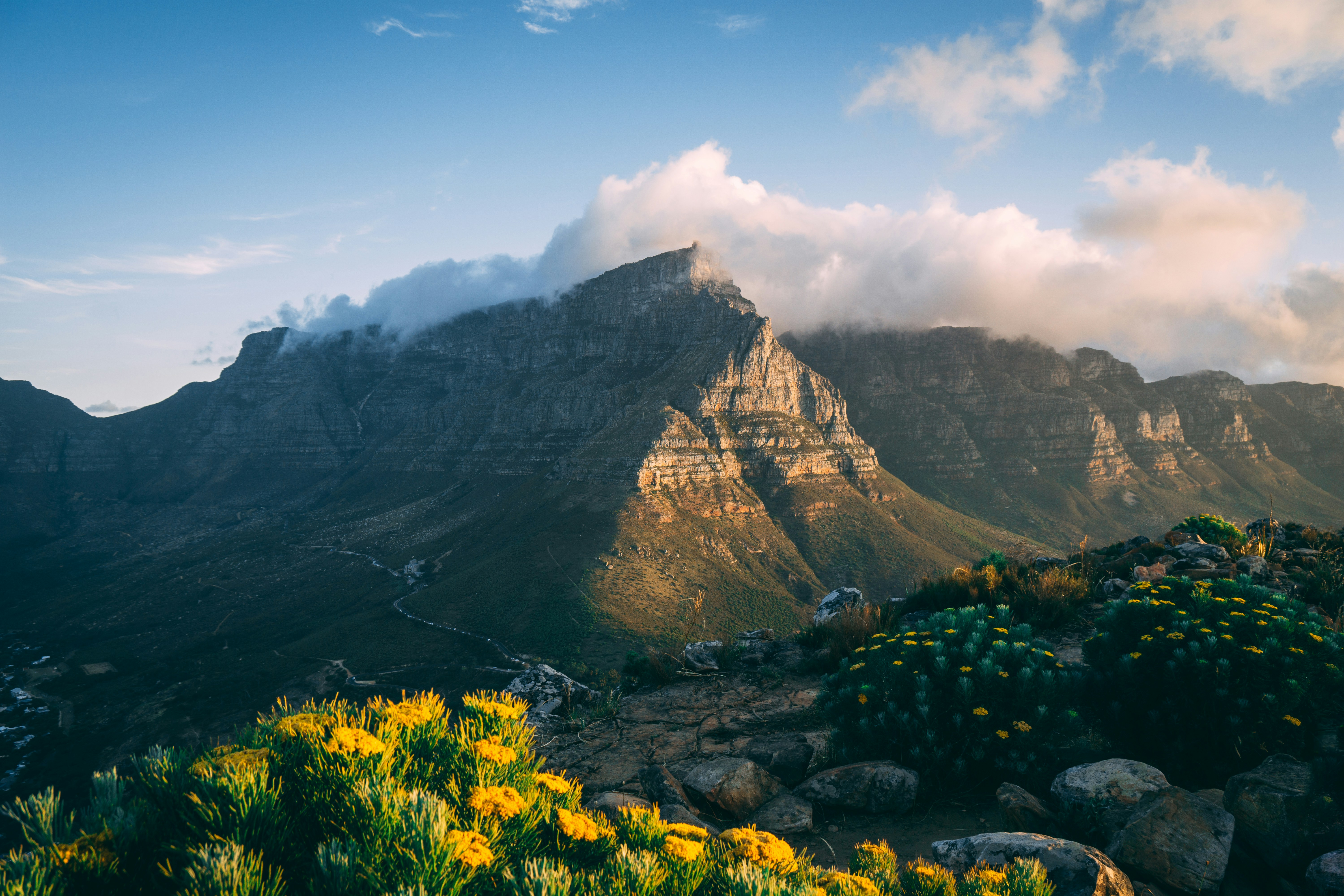
Two weeks in South Africa gives you time for three of the country's most rewarding first-trip experiences: Cape Town and the Cape Peninsula, a Garden Route road trip, and several days of wildlife viewing in Kruger National Park. This itinerary uses five nights in Cape Town, three nights around Knysna and Plettenberg Bay, one airport night near Johannesburg, and four nights in or near southern Kruger.
The route combines city neighborhoods, mountain and coastal scenery, wine country, beaches, forest walks, and safari time. Short domestic flights connect the sections, while a one-way rental car covers the Garden Route from George to Gqeberha. Travelers with more time can add Hermanus, Oudtshoorn, Addo Elephant National Park, the Panorama Route, or a private reserve near Kruger.
You can use the free 14 Day South Africa Itinerary Google Sheets template as the itinerary for your own trip. It includes the day-by-day plan, specific locations, lodging bases, flights, driving notes, official attraction links, optional ideas, packing items, pre-trip tasks, costs, and sample cost-splitting rows.

Itinerary Outline
- Days 1-5: Cape Town, Table Mountain, the Cape Peninsula, Robben Island, and the Cape Winelands
- Days 6-9: Wilderness, Knysna, Plettenberg Bay, Robberg Nature Reserve, and Tsitsikamma
- Day 10: Fly through Johannesburg and continue to the Kruger region
- Days 11-13: Wildlife drives, waterholes, rest camps, and guided activities in southern Kruger
- Day 14: Fly from Skukuza to Johannesburg and connect home
The plan works especially well for a first South Africa trip because each section feels distinct. Cape Town is the cultural and scenic base, the Garden Route adds a manageable coastal drive, and Kruger provides enough time for several morning and afternoon wildlife outings.
Best time and pacing for this South Africa itinerary
South Africa's seasons vary across the route. September through November and March through May are useful starting points for travelers who want mild Cape Town weather, comfortable Garden Route hiking, and good safari conditions. Summer from December through February brings warmer beach weather in the Cape, while winter from June through August is cooler and wetter around Cape Town and often dry in Kruger.
Kruger's dry season generally runs through the southern hemisphere winter and early spring. Vegetation is thinner and animals often gather near water, which can make wildlife easier to see. The warmer wet season brings greener landscapes, summer birds, and many young animals. Early mornings can feel cool in an open safari vehicle at any time of year, so bring a warm layer.
Table Mountain conditions can change within a day. Choose the clearest available morning and check cableway operations before leaving your hotel. Keep the Cape Peninsula and Winelands days flexible enough to move around if wind, cloud, or rain affects your preferred activity.
The Garden Route has a comfortable three-night rhythm in this plan. Knysna makes a convenient base for the lagoon, the Heads, and nearby Plettenberg Bay. The final driving day continues through Tsitsikamma to Gqeberha for an evening flight, so start early and keep the day's confirmed activities close to the N2.
Day 1: Arrive in Cape Town and explore the waterfront
After arriving at Cape Town International Airport, transfer to your hotel and settle in. The V&A Waterfront is an easy first-afternoon destination, with a working harbor, restaurants, shops, public art, and open views toward Table Mountain. The Watershed is useful for South African design and craft shopping, while the promenade gives you a relaxed walk after the flight.
Stay around the Waterfront, De Waterkant, Green Point, or the City Bowl. The Waterfront is convenient for Robben Island ferries and evening dining. De Waterkant has colorful streets and smaller hotels close to the center. The City Bowl gives you quick access to Bree Street, Kloof Street, museums, and the lower slopes of Table Mountain.
Choose dinner near your hotel and confirm the next morning's Table Mountain status before turning in.
Day 2: Table Mountain, Company's Garden, and Bo-Kaap
Start with Table Mountain while the sky is clear. The aerial cableway reaches the flat summit in a few minutes, and the paths at the top open to views over the City Bowl, Table Bay, Lion's Head, the Twelve Apostles, and the Cape Peninsula. Hikers can choose routes such as Platteklip Gorge, but the exposed terrain, weather, and descent plan should match your experience and current local guidance. Check the official Table Mountain National Park and cableway information before the trip.
Continue to Company's Garden, a green corridor beside Parliament, the Iziko South African Museum, the National Gallery, and several historic buildings. It is a useful place to choose between more time outdoors and an afternoon museum visit.
Finish in Bo-Kaap. The neighborhood is known for brightly painted homes, cobbled slopes, mosques, Cape Muslim history, and Cape Malay food traditions. Visit respectfully, remembering that it is a residential community. The Iziko Bo-Kaap Museum adds context on local family life and cultural history.

Day 3: Cape Point, Boulders Beach, and Kalk Bay
Use a full day for the Cape Peninsula. From Cape Town, the Atlantic side of the loop passes Camps Bay, Hout Bay, and Chapman's Peak Drive. The cliff road has signed viewpoints over Hout Bay and the ocean; check its current open status before departure.
At Cape Point, walk or take the funicular toward the old lighthouse viewpoint. The reserve combines high sea cliffs, fynbos, beaches, and broad views across the peninsula. The Cape of Good Hope shoreline is a separate stop within the same reserve and is worth including when time and conditions allow. SANParks lists current conservation fees and visitor information on its Table Mountain rates page.
Continue to Boulders near Simon's Town. Boardwalks lead through the protected African penguin colony, with close views of birds moving between nesting areas, granite boulders, and sheltered coves. Stay on the designated paths and follow current colony guidance.

Stop in Kalk Bay on the return drive. The compact harbor, galleries, bookstores, cafés, and restaurants make it a pleasant late-afternoon break. You can return to Cape Town along False Bay or use the inland route according to traffic and your lodging location.
Day 4: Robben Island, contemporary art, and Signal Hill
Take a morning ferry from the Nelson Mandela Gateway at the V&A Waterfront for a Robben Island tour. Standard visits combine the ferry crossing, a guided island component, and the former maximum-security prison where Nelson Mandela and other political prisoners were held. Departures and tour formats can change, so reserve through the Robben Island Museum and check in at the time shown on your ticket.
Back at the Waterfront, choose Zeitz MOCAA for contemporary art from Africa and its diaspora or the Two Oceans Aquarium for marine environments from the Atlantic and Indian oceans. Zeitz MOCAA occupies a converted grain silo, and the building's carved concrete atrium is part of the experience.
End at Signal Hill when the weather is clear. The viewpoint looks across the Atlantic Seaboard, City Bowl, Table Mountain, and Lion's Head. Bring a layer because wind and temperature can change quickly near sunset.
Day 5: Stellenbosch and Franschhoek wine country
Spend the day in the Cape Winelands. Stellenbosch has oak-lined streets, Cape Dutch architecture, galleries, cafés, and a walkable historic center. Franschhoek sits in a mountain valley and has a compact main street, restaurants, and wine estates spread around the surrounding slopes.
Choose two or three estates based on the wine styles, food, architecture, gardens, or cellar experiences that interest you. Reserve any tastings and lunches that matter most. The Franschhoek Wine Tram links selected estates and handles transportation between stops, while a private transfer or small-group tour can cover both Stellenbosch and Franschhoek.
Return to Cape Town for the night and prepare for the next morning's flight to George.
Day 6: Fly to George, visit Wilderness, and continue to Knysna
Fly from Cape Town to George and collect a one-way rental car. Wilderness is the first main stop on this Garden Route section. Its long beach, lagoon, forested hills, and national-park trails introduce the greener coastal landscape east of George.
Walk the beach or visit the Wilderness section of Garden Route National Park. Canoe and hiking options explore the Touw River, lakes, and forest when conditions suit. Continue to Knysna in the afternoon.
Stay near the Knysna Waterfront, Thesen Island, Leisure Isle, or the eastern side of town. The Waterfront and Thesen Island are convenient for restaurants and lagoon outings. Leisure Isle has a quieter residential setting near Bollard Bay and the eastern Head.
Day 7: Knysna Heads, lagoon scenery, and the waterfront
Begin at the Knysna Heads, the sandstone cliffs that frame the narrow channel between the lagoon and the Indian Ocean. Viewpoints on the eastern Head look across the channel, lagoon, and rugged western shoreline. The water can be powerful where the lagoon meets the ocean, while the higher overlooks show how the estuary fits into the surrounding coast.
Spend the afternoon on the lagoon or at Featherbed Nature Reserve. Reserve visits usually begin with a ferry crossing and can include a guided drive, coastal views, and a walk through fynbos and forest. A lagoon cruise is a lighter option, and the waterfront works well for a meal or browsing local shops.
The coast around Knysna and Plettenberg Bay also supports marine wildlife, with seasonal whale and dolphin trips offered by local operators. Check the exact route, season, sea conditions, and wildlife-viewing practices before booking.

Day 8: Robberg Nature Reserve and Plettenberg Bay
Drive to Robberg Nature Reserve near Plettenberg Bay. The peninsula has cliffs, dunes, beaches, caves, and views over the Indian Ocean. Several trail lengths make it possible to choose a short headland walk or spend much of the day hiking around the peninsula. The longer routes include exposed sections and are affected by weather and tides, so check the current CapeNature Robberg information before setting out.
After the hike, spend time around Central Beach or the Plettenberg Bay town center. The beach is broad and easy to reach, while cafés and restaurants offer a relaxed afternoon after the trail. Travelers interested in marine activities can research current kayaking, boat, and wildlife-viewing options.
Return to Knysna for dinner. Local seafood and oysters are widely associated with the town, and Thesen Island and the Waterfront have several convenient choices.
Day 9: Tsitsikamma and an evening flight from Gqeberha
Leave Knysna early and continue east to the Storms River Mouth section of Garden Route National Park. The Mouth Trail follows forest boardwalks toward suspension bridges over the river mouth, with views of dark water, coastal cliffs, and waves entering the gorge. The park's hikes and trails page provides current trail information.
Kayaking and lilo trips can take visitors farther into the gorge with a local operator. Travelers staying on land can add a short forest walk, viewpoints around the rest camp, or the Big Tree near Storms River village.

Continue to Chief Dawid Stuurman International Airport in Gqeberha, return the rental car, and take an evening flight to Johannesburg. Stay near O.R. Tambo International Airport for the night so the next day's Kruger connection is straightforward.
Day 10: Fly to Skukuza and begin the safari section
Fly from Johannesburg to Skukuza Airport or choose Hoedspruit or Kruger Mpumalanga International Airport according to your lodging. Skukuza is especially convenient for the southern part of Kruger National Park and for stays around Skukuza, Lower Sabie, or nearby private reserves.
Check in at a SANParks rest camp, a lodge inside the park, or accommodation near a gate. Staying inside Kruger gives you direct access to park roads and activities, while lodges outside or in adjacent private reserves may include meals, transfers, and guided drives.
Join a sunset drive if the arrival schedule allows. Guided outings can continue after the public roads close to self-drivers, adding evening light and the possibility of nocturnal wildlife. Reserve activities through your rest camp or lodge and arrive at the listed meeting time.
Day 11: Southern Kruger wildlife drives and Lake Panic
Begin near gate opening, when temperatures are cooler and wildlife is often active. The road network around Skukuza gives you several options through riverine woodland, savanna, and areas around the Sabie River. Choose a loop based on current road conditions and official gate times, with room to spend longer in promising areas.
Pause at Lake Panic Bird Hide near Skukuza. The hide overlooks water and can be a rewarding place for birds, hippos, crocodiles, antelope, and other animals that approach the shoreline. Spend time quietly observing the water and surrounding vegetation before continuing the drive.
Spend the warmer middle of the day around Skukuza for lunch, fuel, rest, or a visit to the Stevenson-Hamilton Knowledge Resource Centre. Return to the roads in the afternoon and be back at camp before the official closing time.
Day 12: Lower Sabie and the Sabie River
Drive toward Lower Sabie, using river viewpoints and rest stops to shape the day. The southern park has a dense network of paved and gravel roads, and the Sabie River supports varied habitats. Sightings change daily, so build the outing around the landscape, water sources, and a comfortable pace.
Lower Sabie Rest Camp is a practical midday stop for food, facilities, and a view over the river. Nearby Sunset Dam is a popular place to watch waterbirds, hippos, crocodiles, and animals coming to drink. Continue on a different loop for the return to your base when road conditions and gate times allow.

Day 13: Guided activity and a final Kruger afternoon
Choose a guided morning drive, bush walk, or another early self-drive. Guided walks are led by qualified staff and focus on tracks, plants, smaller details, and the experience of moving through the landscape on foot. Spaces can be limited, so reserve through SANParks or your lodge when dates are confirmed.
Use the afternoon for a final southern Kruger loop, a picnic-site stop, or more time near a waterhole. Nkuhlu Picnic Site between Skukuza and Lower Sabie is one option for a meal break along the Sabie River corridor.
Confirm the next morning's airport transfer and flight timing before dinner. SANParks publishes current day-visitor guidance, notices, and gate times on the Kruger National Park website.
Day 14: Fly from Skukuza to Johannesburg and depart
Transfer to Skukuza Airport and fly to Johannesburg. Leave a comfortable connection before an international flight, accounting for separate tickets, baggage collection, terminal changes, and airline check-in requirements. An overnight near O.R. Tambo can be useful when schedules do not provide the connection you want.
If you have another day in Johannesburg, consider the Apartheid Museum, Constitution Hill, the Cradle of Humankind, or a guided city experience that matches your interests and transportation plan.
Where to stay along the itinerary
Cape Town
The V&A Waterfront is convenient for Robben Island ferries, harbor walks, restaurants, and a broad range of hotels. The City Bowl works well for Bree Street, Kloof Street, museums, and Table Mountain access. De Waterkant and Green Point offer smaller neighborhood bases between the center, waterfront, and Atlantic Seaboard.
Knysna and Plettenberg Bay
Knysna is a practical three-night base for the lagoon, the Heads, Wilderness, and Plettenberg Bay. Staying around Thesen Island or the Waterfront puts restaurants and lagoon departures nearby. Plettenberg Bay is a good alternative for travelers who want more beach time and the shortest drive to Robberg Nature Reserve.
Johannesburg airport
An airport hotel near O.R. Tambo keeps the transfer between the Garden Route flight and the next day's Kruger flight simple. Look for a reliable shuttle and confirm its operating hours with the hotel.
Kruger and nearby reserves
Skukuza and Lower Sabie are useful bases for a first visit to southern Kruger. SANParks rest camps provide direct park access, shops, fuel, and activity departures. Private lodges inside or near the park often bundle meals and guided drives. Choose the lodging and airport together so transfer time supports the safari schedule.
Flights, driving, and booking priorities
This itinerary uses three domestic flight segments: Cape Town to George, Gqeberha to Johannesburg, and Johannesburg to the Kruger region. The return from Skukuza to Johannesburg adds a fourth. Compare a multicity booking with separate tickets and review baggage allowances on every segment.
Reserve a one-way rental car from George Airport to Gqeberha Airport. Confirm the drop fee, fuel policy, insurance, and the rental company's closing time. South Africans drive on the left. Keep driving to daylight hours where possible and use the specific accommodation and attraction addresses in your navigation app.
Book Robben Island, preferred wine tastings, Garden Route activities, Kruger lodging, guided safari activities, and domestic flights once the route is set. Table Mountain works best as a weather-responsive day, while the Cape Peninsula needs a full day. Check official park notices and attraction schedules again shortly before travel.
Optional ideas for a longer South Africa trip
Add Hermanus during whale season for coastal walks and current boat-based viewing options. An overnight gives you more time than a day trip from Cape Town and can connect naturally with the start of the Garden Route.
Add Oudtshoorn for the Cango Caves, Karoo landscapes, and Route 62. This works best with an extra night between George and Knysna. Addo Elephant National Park is another strong extension near Gqeberha and deserves at least one night when wildlife is a priority.
The Panorama Route can add Blyde River Canyon, the Three Rondavels, Bourke's Luck Potholes, and viewpoints around Graskop. It fits most naturally before or after Kruger when you use Hoedspruit or a road transfer through Mpumalanga.
A private reserve in the Greater Kruger area offers lodge-based guided drives and a different accommodation style. Compare what the rate includes, the reserve location, transfer arrangements, and how many nights you want in the national park itself.
Travelers planning another long, map-heavy trip can compare this itinerary with the 14 day Australia itinerary or the 14 day Japan itinerary.
What the South Africa Google Sheets itinerary template includes
- A scheduled Cape Town, Garden Route, Johannesburg, and Kruger itinerary
- Unscheduled ideas for museums, coastal stops, wildlife experiences, scenic drives, and trip extensions on the Itinerary tab
- Specific locations, official links, lodging notes, flight reminders, rental-car details, and booking guidance
- A packing list and pre-trip checklist tailored to Cape Town, coastal hiking, domestic flights, and safari days
- Cost fields and sample split-cost rows for shared lodging, flights, car rental, park activities, fuel, and meals
For a general planner you can adapt to any trip, see the free Google Sheets travel planner and itinerary template.
How Travel Mapper helps with a South Africa trip
Travel Mapper adds map-based itinerary planning to Google Sheets. Seeing Cape Town neighborhoods, the Cape Peninsula loop, Garden Route stops, airports, lodging bases, and Kruger locations on the same map helps you review how the trip fits together before booking.
You can fine-tune the itinerary with drag-and-drop editing, use Google Maps autofill while adding places, email the itinerary, and export it to Google My Maps. The Travel Mapper Chrome extension can add an activity from a hotel, restaurant, attraction, park, or tour page while you research the trip.
If you want to review or edit the trip from your phone while traveling, the Travel Mapper web app works in a mobile browser.
The Google Sheets itinerary remains available for free. You can try the full Travel Mapper add-on feature set for seven days, then upgrade when you want to continue using the map view and other add-on tools.
South Africa itinerary FAQ
Is 14 days enough for Cape Town, the Garden Route, and Kruger?
Yes. Five nights in Cape Town, three nights on the Garden Route, an airport night, and four nights around Kruger create a well-rounded first trip. Extra days are useful for Hermanus, Oudtshoorn, Addo, the Panorama Route, or a private reserve.
What is the best order for this South Africa itinerary?
Cape Town to the Garden Route to Kruger works well because the trip moves east and finishes with safari time. The reverse order is also practical when flights, weather, or lodging availability favor starting in the northeast.
Do I need a car for two weeks in South Africa?
A car is most useful for the Garden Route. Cape Town has transfers, tours, and ride services for the main city and peninsula days. In Kruger, choose between a rental car for self-driving and a lodge or transfer plan built around guided activities.
How many days should I spend in Kruger?
Three full safari days plus arrival and departure time give you several morning and afternoon outings. Four or five nights work well for a first visit because wildlife sightings vary and each drive has a different pace.
Should I stay inside Kruger National Park?
Staying inside the park gives you direct road access, SANParks facilities, and convenient guided-activity departures. Lodges outside a gate or in a nearby private reserve may provide more services, meals, transfers, and guided drives. Match the stay with your budget, preferred safari style, and airport.
Can I do the Garden Route without driving?
Yes. Small-group tours and private transfers can cover the main Garden Route towns and parks. A rental car gives you the most freedom for viewpoints, trail times, and overnight stops, while a tour handles the daily driving and logistics.
Can I copy and change the South Africa itinerary template?
Yes. Open the free South Africa Google Sheets itinerary, make your own copy, and adjust the dates, lodging, flights, activities, costs, notes, and optional ideas for your trip.
Copy the free itinerary first, then use Travel Mapper for Google Sheets when you want to see the trip on a map and use the add-on planning features.