
7-Day Belgium Itinerary: Brussels, Ghent, Antwerp & Bruges
Matt - October 16, 2026
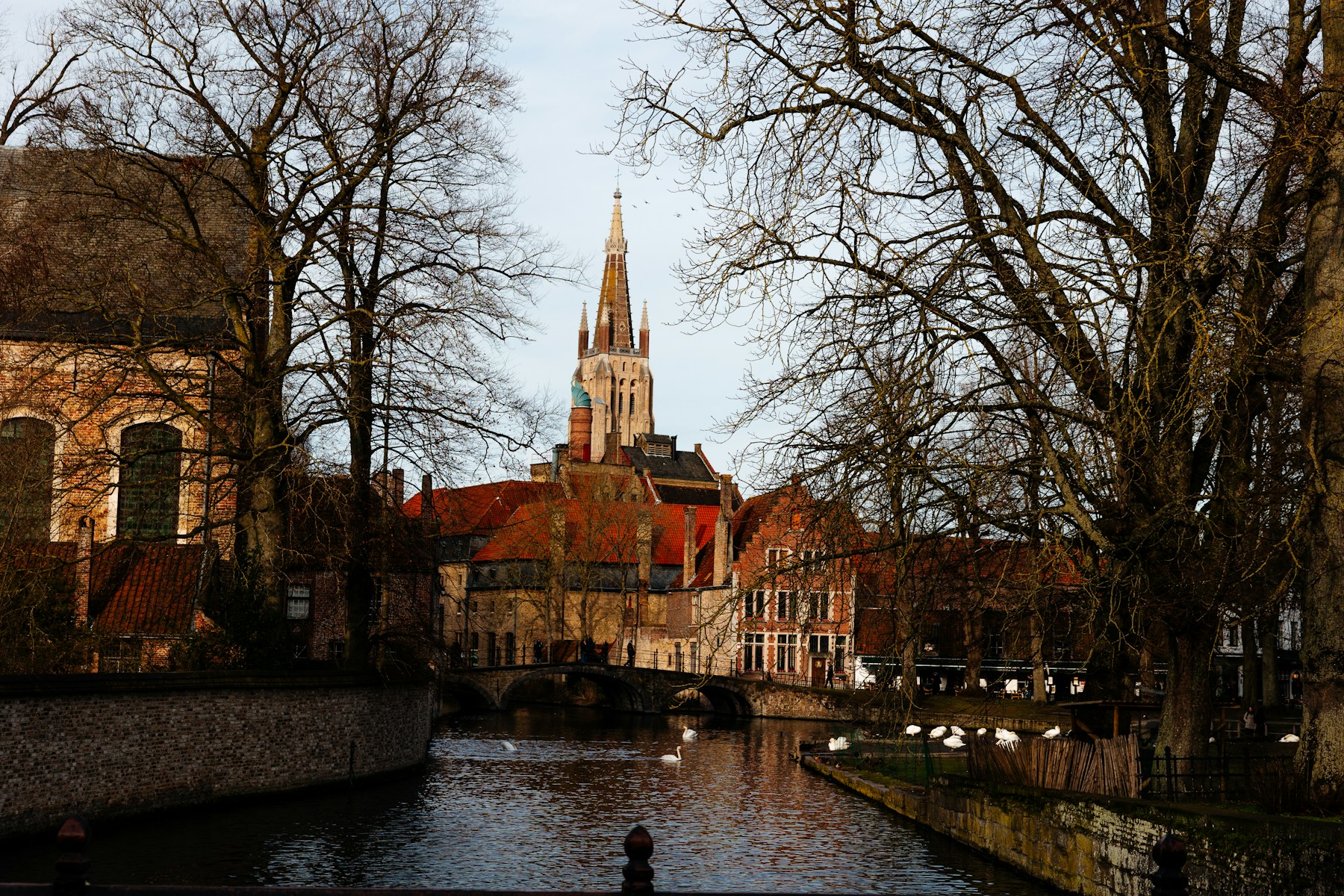
For a first week in Belgium, I would spend two nights in Brussels, two in Ghent, and two in Bruges, with Antwerp as a day trip from Ghent. This seven-day itinerary combines the capital's art and grand squares with Ghent's castle and canal quays, Antwerp's cathedral and waterfront, and Bruges' historic center. Trains connect the cities, and each overnight base gives you an evening close to the places you are exploring.
The plan starts at Brussels Airport and finishes there on day seven. It suits a late departure flight; for an early flight, spend the final night in Brussels or near the airport. Within the cities, expect a mix of walking, local public transport, and breaks in cafes or restaurants.
The itinerary is also available as a free Belgium Google Sheets itinerary template for you to customize. It includes the daily plan, optional food and sightseeing ideas, lodging placeholders, packing and pre-trip checklists, and illustrative shared expenses.

Itinerary Outline
- Day 1: Arrive in Brussels. Settle in, explore Grand-Place and the Galeries Royales Saint-Hubert, and have dinner around Sainte-Catherine.
- Day 2: Brussels art and neighborhoods. Visit the Magritte Museum, browse the Sablon, and walk through the Mont des Arts and Marolles areas.
- Day 3: Travel to Ghent. Visit Gravensteen and St Bavo's Cathedral, then walk the Graslei and Korenlei quays.
- Day 4: Antwerp day trip. See Antwerpen-Centraal, the old town, the Cathedral of Our Lady, and the MAS panorama before returning to Ghent.
- Day 5: Travel to Bruges. Explore Burg and Markt, Rozenhoedkaai, the Beguinage, and Minnewater.
- Day 6: Bruges in depth. Climb the Belfry, visit the Groeningemuseum while it remains open, and choose an afternoon of neighborhoods, a brewery visit, or seasonal events.
- Day 7: Depart. Travel toward Brussels Airport using a connection that fits your flight.
This is a city-and-culture itinerary. For a trip centered on First World War history, give Ypres and the surrounding memorial sites their own day and adjust the Antwerp or second Bruges day accordingly.
Best Time and Trip Pacing
Spring and early autumn are good starting points for a walking-heavy trip with parks, outdoor tables, and time by the canals. Summer offers longer evenings; book the most important museum and tower visits ahead, then keep time between them for meals and neighborhood walks. Rain is possible throughout the year, so an indoor option is useful in every city.
Late November and December bring a different rhythm: museums and sightseeing during daylight, followed by seasonal events in the evening. Brussels' Winter Wonders organizer lists November 27, 2026-January 3, 2027 for the next edition. Bruges' Winter Glow program starts November 20, 2026. Individual activities and Christmas markets have their own dates; use the current program when booking.
The Sheet uses December 7-13, 2026 as editable sample dates. The museum visits fall on days that fit their currently listed regular opening patterns. Its activity times are suggested planning blocks, not reservations or confirmed train departures. Once you choose your dates, check holiday hours, transport works, and ticket availability before keeping the same order.
With five days, use Brussels and Ghent as two bases and visit Bruges for a day. With eight or nine days, an extra Ghent day works well for its art museums, while an extra Antwerp night gives you more time for design, printing history, and the port-side neighborhoods.
Day 1: Arrive in Brussels and Explore the Historic Center
Start with the airport-to-city journey and hotel check-in. Brussels Airport's rail guide explains the station beneath the terminal and its connections. Check the airport code on your booking: this plan uses Brussels Airport, BRU, at Zaventem. A flight to Brussels South Charleroi, CRL, needs a different ground-transfer plan.
For the first two nights, lodging near Brussels-Central is convenient for arrival and departure as well as the historic center. After dropping your bags, head to Grand-Place. Its closely grouped guildhalls and elaborate Town Hall make the square a useful introduction to the city's architecture. Look at the fronts individually as you walk around it; UNESCO's Grand-Place overview explains how the surrounding buildings form a coherent historic ensemble.

Continue into the Galeries Royales Saint-Hubert, a covered arcade lined with shops and places for a cafe stop. This is a comfortable first-afternoon pairing: the square and arcade are both central, and you can spend as much time as your arrival allows. Chocolate browsing fits naturally here or in the Sablon the following day.
For dinner, the Sainte-Catherine area gives you a neighborhood to explore as well as a meal. Choose a restaurant around your dietary needs and reserve directly when you have a firm arrival time. In winter, check which Winter Wonders activities are operating nearby that evening.
Day 2: Magritte, the Sablon, and the Marolles
Begin with the Magritte Museum, which focuses on the Belgian Surrealist's work. Give the visit roughly two hours, including entry and time with the collection. Check the museum's current ticket instructions and opening days; its regular Monday closure matters if you move this plan to another part of the week.
The Sablon is a good next stop for lunch, chocolate shops, galleries, and the streets around its church. Choose a few shops to browse and leave time for a sit-down meal. The museum quarter, Sablon, and Mont des Arts form a compact central grouping, so this day works well on foot at a comfortable pace.
At Mont des Arts, pause above the gardens for the view toward the lower city and Town Hall. Then continue into the Marolles for antique and design shops along streets such as Rue Haute. Visit Brussels' Sablon and Marolles neighborhood walk is useful for choosing a longer loop. Place Poelaert is an optional extension for another city view.
If the Atomium is a priority, give it the afternoon and allow for travel across the city. Its distinctive spheres make it a different sort of architectural visit from the old center. Check its official visitor information for tickets and access, then keep the morning museum and lunch close together.
Day 3: Ghent's Castle, Cathedral, and Riverfront
Travel to Ghent after breakfast. SNCB's Brussels-Ghent route page lists direct trains with an average journey of 36 minutes. Add hotel checkout, the station approach, and the onward trip into Ghent's historic center when choosing a departure.
Gent-Sint-Pieters is a main arrival station, with local transport onward to the center. Confirm the current connection for your hotel. Leave bags at your accommodation if early storage is available, then begin with Gravensteen, the stone castle beside Sint-Veerleplein.
Gravensteen gives you rooms, towers, and defensive walls to explore, with an audio guide supplying context. Reserve a suitable entry time and allow about 90 minutes. The castle's steps and historic surfaces are worth considering when choosing it for your group.
After lunch around Korenmarkt, visit St Bavo's Cathedral. The paid visitor-center experience includes the Ghent Altarpiece, but its restoration affects what is on display. Visit Gent's current guidance explains the panels being restored at the Museum of Fine Arts, MSK. Review the display information and book the visit that interests you.

Finish with the Graslei and Korenlei, the quays along the old harbor. St Michael's Bridge gives you a broad view across the water toward Ghent's towers. This is a good part of the day to slow down, find a cafe, and see the buildings in changing light.
Du Progres, on Korenmarkt, is one editable restaurant idea in the Sheet. Its current kitchen schedule is Tuesday-Saturday for lunch and dinner, with Sunday and Monday closures. Check the menu and reserve directly if it suits your group.
Day 4: An Antwerp Day Trip from Ghent
Take a morning train to Antwerpen-Centraal and return to the same Ghent hotel that evening. Choose the actual service in the SNCB journey planner, allowing time at both ends. The Sheet keeps a generous travel block so the first sightseeing booking can follow comfortably.
The station is part of the visit. Its monumental stone hall, large arched window, and layered circulation spaces are worth a look before you head into town. Continue toward the old center and Grote Markt, where the square and surrounding streets give you a sense of Antwerp's civic architecture.

After lunch, visit the Cathedral of Our Lady. The Gothic building and its Rubens paintings give this day a strong art focus. Tourist access changes around worship and special events; the cathedral publishes exceptions alongside its regular hours.
For the later afternoon, walk or take local transport north to the old docks and MAS. The museum's boulevard rises around the galleries to a rooftop panorama across the city and port. The official access page distinguishes gallery hours from boulevard and panorama access and notes weather-related rooftop closures. Check it before making this your final stop.
The Plantin-Moretus Museum is a worthwhile alternative for an interest in books, printing, and historic interiors. Put it in the afternoon in place of MAS, then allow time to return to the station for your chosen train.
Day 5: Settle into Bruges
Travel west to Bruges, drop your bags, and start in the historic center. Burg and Markt work well as the first pair of squares: civic buildings frame the Burg, while the Belfry rises above the larger Markt. Leave the tower climb for the following morning so today can follow a flexible walking pace.
After lunch, continue to Rozenhoedkaai for the canal view. The water, brick buildings, bridges, and skyline explain much of Bruges' appeal at a glance. Spend time on the surrounding streets as well as the viewpoint itself.
The southern loop through the Beguinage and Minnewater adds quieter courtyards and waterside paths. The Beguinage includes religious and residential spaces, so follow posted visiting guidance and keep the courtyard peaceful. Minnewater gives you a longer outdoor pause before heading back toward your hotel.
A Bruges canal boat trip takes about half an hour and is an optional way to see the buildings from the water. The city lists regular service from March through October and a rotating winter landing stage from November through February. Check which operator is sailing that day and allow time to buy tickets at the jetty and board. Weather can affect service.
Two nights in Bruges give you a full visiting day plus two evenings in the center. For December dates, use the official Winter Glow program to decide which seasonal activities fit after dinner.
Day 6: The Belfry, Flemish Painting, and Your Choice of Afternoon
Reserve an early visit to the Bruges Belfry. The climb has 366 stairs, including steep sections, with a view across the city from the top. Choose it for the climb and elevated outlook; street-level canal walks are a comfortable alternative for travelers who prefer to stay on the ground.
There is a current maintenance closure on October 19-22, 2026. Check the location page for later exceptions and weather-related access changes as well as your ticket slot.
The Groeningemuseum is the main art stop in the sample December plan. Its collection is especially useful for an interest in Flemish painting. The museum normally closes Mondays and has announced a January 2027 renovation closure. For a later trip, check the collection's presentation at BRUSK and choose a currently open exhibition.
Keep the afternoon for the part of Bruges you most enjoy. Jan van Eyckplein and the Sint-Anna area suit a longer neighborhood walk, with cafes and quieter streets along the way. Independent shops around Sint-Jakobsstraat are another option.
For an interest in brewing, De Halve Maan offers guided tours at its city-center brewery on Walplein. The classic visit is listed at about 45 minutes and includes steep stairs. Book a suitable language and time, and treat it as the main optional afternoon activity.
Day 7: Return for Your Flight
Choose the airport journey around your airline's arrival requirement and the dated rail service. Brussels Airport lists direct connections from Bruges, but check whether one fits your departure day and allow room for station travel and disruption.
For an early flight, move the sixth night to Brussels or an airport hotel. You can leave Bruges after the main day-six visit, have dinner near your final hotel, and start the departure morning closer to the airport. For a later flight, a direct journey from Bruges may fit well.
If you are continuing internationally by rail, look up the station and conditions on that booking separately. Brussels-Central and Brussels-Midi are different stations, and the right choice depends on your service.
Where to Stay
- Brussels, two nights: the Brussels-Central and historic-center area is convenient for this plan's station access, squares, and museum quarter. Check the walking approach with luggage and whether your room faces an evening gathering area.
- Ghent, two nights: Korenmarkt and the surrounding center put the castle, quays, cathedral, and restaurants close together. A station-area hotel can simplify rail departures; compare its local connection with the places you want to visit.
- Bruges, two nights: look between 't Zand, Markt, and the southern historic center. Review the distance from the station, stair or lift access, and bag-storage arrangements before booking.
If you prefer two hotel bases, spend four nights in Ghent after the first two in Brussels and visit Bruges by train. You gain a longer settled stay in Ghent; the three-base version gives you more evening time in Bruges. Our guide to planning a multi-city vacation explains how to compare bases, travel days, and the activities around each stay.
Transport and Booking Priorities
Use SNCB/NMBS for domestic rail planning. Check your exact stations, date, planned engineering works, and ticket conditions. Buy the fare appropriate to your age and travel pattern through the current booking system. Airport tickets commonly include a Brussels Airport Supplement; confirm this on the ticket you buy.
Local travel is a separate part of the day. Budget time for getting from Gent-Sint-Pieters to central Ghent, from Brugge station to your hotel, and between Antwerp's station and MAS. Check current local transport routes when planning these connections.
Book the visits that shape the itinerary first: the Magritte Museum, Gravensteen, the Ghent Altarpiece experience, and the Bruges Belfry. Then fit meals and flexible walks around those entries. Review accessibility directly with venues where stairs, uneven surfaces, or historic buildings may affect your visit.
The template leaves attraction and transport costs blank for your own dated prices. The Split Costs tab contains clearly labeled illustrative euro examples to show shared-expense calculations; those amounts are not fare estimates or attraction prices.
Meaningful Optional Swaps
- More Ghent art: replace the Antwerp day trip with MSK and a longer Ghent visit. Check the current MSK program, including its Ghent Altarpiece restoration display.
- More modern architecture: give the Atomium a half-day in Brussels and shorten the Marolles walk.
- Books and interiors in Antwerp: choose Plantin-Moretus for the afternoon, keeping the cathedral and old town earlier in the day.
- Winter evenings: choose activities from the current Brussels and Bruges event programs, with indoor meals and warm layers between stops.
- A longer Belgium trip: add a dedicated Ypres and memorial-sites day with appropriate transport, or give Antwerp an overnight stay.
Keep the optional choices that appeal to you and give them times once the main bookings are in place. The Sheet holds them alongside the scheduled itinerary with blank date and time cells.
What the Belgium Google Sheets Itinerary Template Includes
- A scheduled seven-day Belgium itinerary with Brussels, Ghent, an Antwerp day trip, and Bruges
- Undated restaurants, neighborhoods, viewpoints, shops, seasonal events, and alternative visits on the Itinerary tab
- Specific place names, official links, booking notes, and categories for the planned activities
- Lodging placeholders for the three bases, ready for your own hotel details
- A packing list and pre-trip tasks tailored to city walking, rail journeys, and the sample winter dates
- Cost fields and clearly labeled illustrative split-cost examples
For a general planner you can adapt to another trip, see the free Google Sheets travel planner and itinerary template.
How Travel Mapper Helps with a Belgium Trip
Start with the free Sheet and customize the dates, booked accommodation, and activities. Travel Mapper adds map-based planning to that Google Sheets itinerary, so you can review where your hotels, stations, museums, and meal ideas sit in relation to one another.
For this trip, the map is particularly useful when comparing a station-area hotel with one in the old center, grouping Brussels' museum-quarter stops, and reviewing the walk from Antwerp's old town toward MAS. Category colors help distinguish food, transport, events, and other visits. You choose the order and timing that fit your group.
The Travel Mapper Chrome extension can help you add an activity from a page you are researching, such as a restaurant or museum. The add-on also includes drag-and-drop itinerary editing, Google Maps autofill, itinerary email, and Google My Maps export.
If you want to review or edit the trip from your phone while traveling, the Travel Mapper web app works in a mobile browser.
You can copy the free Belgium itinerary and keep using the basic spreadsheet for free. When you want map view and the full planning tools, install Travel Mapper from Google Workspace Marketplace to try the complete add-on for seven days. After the trial, the basic Sheet remains usable for free; the map and other add-on features require a subscription.
Belgium Itinerary FAQ
Is seven days enough for Belgium?
Seven days works well for Brussels, Ghent, Bruges, and an Antwerp day trip. It gives you six nights and several substantial visiting days. Add time for a deeper museum trip, World War history, or a wider route through Wallonia.
Do I need a car for this itinerary?
The planned city route works by train with walking and local transport. A car is more relevant if you add rural stops or memorial sites with limited connections. Check station-to-hotel travel as well as the trains themselves.
Should I stay in Ghent or Bruges?
Ghent suits a longer base for restaurants, museums, and rail day trips. Bruges suits travelers who want early and evening time in its historic center. This plan gives each two nights; the two-base variation uses Ghent for four nights and visits Bruges by train.
Can I use this plan for Christmas markets?
Yes, with date checks. The sample week is in December, and the core city plan can be combined with evening events. Confirm each market or activity in the current official program; the wider Winter Glow festival dates do not establish every Christmas market's operating dates.
Can I take a train from Bruges straight to Brussels Airport?
The airport lists direct connections from Bruges. Check the dated schedule and your airline's required arrival time. An early departure is a good reason to spend the final night closer to the airport.
Is the Google Sheets itinerary free?
Yes. You can copy and customize the itinerary and keep using the basic spreadsheet for free. Travel Mapper's full add-on has a seven-day trial; map view and the other add-on tools require a subscription afterward.