
10-Day Cambodia Itinerary: Siem Reap, Phnom Penh & Kampot
Matt - October 13, 2026
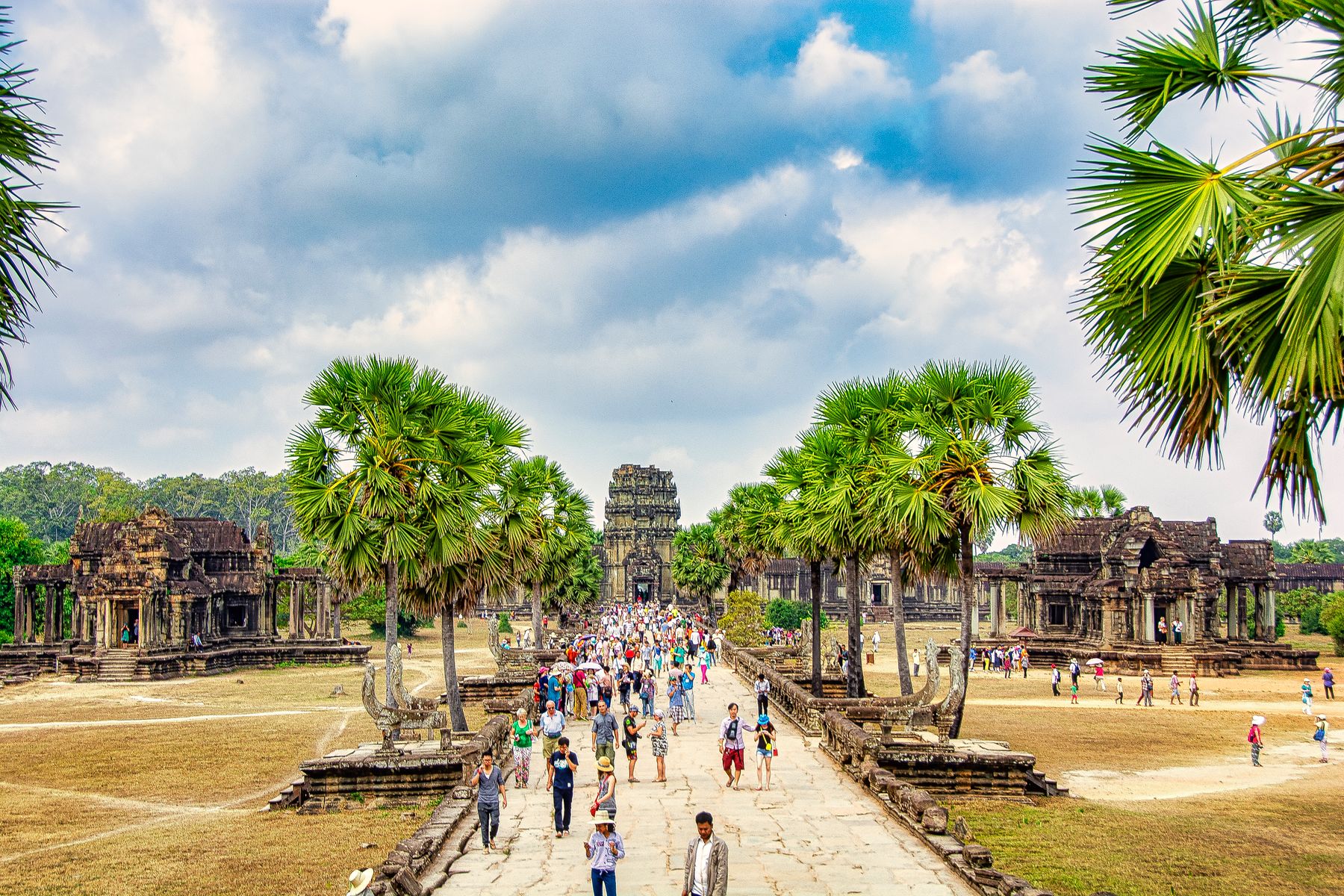
Ten days in Cambodia gives you time for Angkor's temples, the capital's museums and royal architecture, and the pepper-growing countryside around Kampot. For a first visit, I would spend four nights in Siem Reap, two in Phnom Penh, two in Kampot, and a final night in Phnom Penh before flying home. That balance gives Angkor three visiting days and keeps a full day for the coast.
This itinerary starts with an arrival at Siem Reap-Angkor International Airport and finishes at Techo International Airport near Phnom Penh. The mainland route suits travelers interested in history, Cambodian food, and small-town evenings. Kep supplies a coastal day out from Kampot; an island stay would suit a longer trip or a different allocation of nights.
The itinerary is also available as a free Cambodia Google Sheets itinerary template for you to customize. It includes the daily plan, optional activities, lodging placeholders, packing and pre-trip checklists, and illustrative shared expenses.

Itinerary Outline
- Day 1: Arrive in Siem Reap. Settle in, explore the Old Market area, and have dinner in town.
- Day 2: Angkor Wat and Angkor Thom. Start early for Angkor Wat, then visit the south gate and Bayon.
- Day 3: Ta Prohm and nearby temples. Pair the tree-root temple with Banteay Kdei and Srah Srang, followed by an optional Phare performance.
- Day 4: The Grand Circuit. Visit Preah Khan, Neak Pean, and Ta Som, with time for Siem Reap's craft workshops afterward.
- Day 5: Siem Reap to Phnom Penh. Reserve the main part of the day for the road transfer, then walk along Sisowath Quay.
- Day 6: Phnom Penh. Visit the Royal Palace and National Museum, with an afternoon at Tuol Sleng if appropriate for your group.
- Day 7: Phnom Penh to Kampot. Travel south and spend the late afternoon around the riverfront.
- Day 8: Kampot pepper and Kep. Visit La Plantation, have lunch at the crab market, and spend time along Kep's waterfront.
- Day 9: Return to Phnom Penh. Settle into your final hotel and visit Wat Phnom if arrival time allows.
- Day 10: Depart. Transfer to Techo International Airport for your flight.
Book flights into Siem Reap and out of Phnom Penh if the schedules and fares work for you. The final capital night gives you a settled departure morning and room for changes to the road journey from Kampot.
Best Time and Trip Pacing
November through February is the most comfortable starting point for this itinerary. Cambodia's cooler dry season falls in those months, while March through May is hotter and the rainy season generally runs from June through October. Early temple visits are useful in any season. Build in shade, water, and a proper lunch break after a morning on foot.
In wetter months, keep outdoor choices flexible and check local conditions for park walks and rural roads. Phnom Penh's museums and Siem Reap's restaurants and performances give you useful alternatives for a rainy afternoon. At Kampot, the pepper farm remains the main planned outing; choose additional walks around the actual forecast.
Before booking, read the current Cambodia travel advice. The FCDO currently advises against all but essential travel within 20 kilometers of the Thai land border and reports suspended land crossings and closures at certain border temples. This itinerary uses air arrival and departure and the mainland bases of Siem Reap, Phnom Penh, and Kampot. Check the guidance relevant to your nationality, your airline's transit route, and current local access information as well.
The sample Sheet dates are January 11-20, 2027. Activity times are planning blocks, not confirmed transport departures or reservations. Match them to your flights, dated bus services, opening windows, and your preferred walking pace.
Day 1: Arrive in Siem Reap
Allow the afternoon for arrival formalities, the airport transfer, and hotel check-in. Siem Reap-Angkor International Airport, code SAI, is the airport to use when arranging your pickup. Give the hotel or driver your flight number and the property's actual address.
Stay in central Siem Reap or the Wat Bo area for easy access to restaurants and evening walks. Around the Old Market, you can browse stalls, explore the nearby streets, and follow public paths along the river. It is a pleasant introduction to town before the temple days begin.
Malis Siem Reap is one dinner option for Cambodian cooking. It is included as an editable meal idea. Choose somewhere near your hotel if that fits your arrival time, and confirm the menu, opening hours, and any dietary needs directly.
Before bed, confirm the next morning's driver, departure time, and temple-ticket arrangements. A sunrise visit means an early pickup, so dinner near your accommodation works well on this first evening.
Day 2: Angkor Wat, the South Gate, and Bayon
Angkor Wat is the natural starting point: its scale, long galleries, and carved stonework make it worth several hours. A sunrise departure lets you see the changing light and begin the visit before the hotter part of the day. After the exterior views, spend time inside the accessible galleries and courtyards.
Arrange your ticket before an early departure through Angkor Enterprise. Its current listing prices the three-day Angkor pass at US$62. The three temple mornings in this plan fit that pass; review its current validity and conditions during purchase. Separate attractions can have separate tickets.
Continue to the south gate of Angkor Thom, also listed on maps as Tonle Om Gate. The monumental entrance is a good place to understand the scale of the old city before reaching Bayon. Agree on a safe drop-off and meeting point with your driver.
Bayon is known for the carved faces on its stone towers. Walk through the visitor areas that are currently open and give the galleries time as well as the towers. UNESCO's Angkor overview provides useful background on these successive Khmer capitals and their monumental architecture.

Have lunch back in town and leave the afternoon flexible. A pool, a cafe, or a short neighborhood walk fits comfortably after the early start. For a more historical visit, hire a licensed guide for this first temple day and ask them to connect the architecture, religious history, and carving details.
Day 3: Ta Prohm, Banteay Kdei, and an Evening Performance
Ta Prohm is known for the enormous roots growing across its stone buildings. The contrast between carved walls and living trees is part of its appeal, and the marked visitor route leads you through the currently accessible sections. Expect a walking visit with pauses at doorways, courtyards, and details in the stonework.

Banteay Kdei adds another temple visit nearby, followed by a shorter stop at Srah Srang's reservoir-side viewpoint. This grouping gives the morning a compact geographical shape. Your guide or driver can adapt the order to current access, weather, and visitor conditions.
Return to Siem Reap for lunch. HAVEN is a training restaurant with a booking page that currently lists Tuesday-Sunday service and a Monday closure. It works with the sample Wednesday schedule, but check the day when you change your travel dates.
For the evening, consider Phare, the Cambodian Circus. Its productions combine performance, music, and contemporary circus with Cambodian stories. Check the dated calendar for the production and performance time, then arrange your return transport. The Sheet's evening time marks arrival at the venue, not a guaranteed show start.
Day 4: Preah Khan and the Grand Circuit
Start at Preah Khan, a late-12th-century complex associated with Jayavarman VII. Its passages, doorways, and carved details reward a slower walking pace. There is enough here for it to be the main visit of the morning.
Continue to Neak Pean and Ta Som if you would like a fuller Grand Circuit day. Follow the current visitor approach and access signs at each site. Keep the afternoon in town for lunch and a break; that also leaves room to extend the first visit if it interests you.
Artisans Angkor is a useful afternoon option for seeing craft work in Siem Reap. Check current visiting arrangements for the town workshop. Its silk-farm visit is a separate outing, so choose the location that fits the time you have.
If your main interest is detailed stone carving, Banteay Srei is a meaningful swap for this morning. Treat it as a planned outing with its own transport arrangement. You can keep the other temples as optional choices in the itinerary.
For all three temple days, follow APSARA's visitor guidance: dress respectfully for sacred sites, stay on permitted routes, and follow restoration and access signs.
Day 5: Travel to Phnom Penh
Use a daytime road service or an arranged private transfer from Siem Reap to Phnom Penh. Compare the actual departure, arrival location, baggage conditions, and vehicle type before booking. The Sheet reserves the main day for this journey, with an evening activity that can move if arrival is later.
Giant Ibis's terminal directory distinguishes its Siem Reap boarding terminal behind the old stadium on Khmer Pub Street from its ticket office on Sivutha Boulevard. Confirm the pickup or boarding address on your reservation. Use the live booking system to choose a departure for your travel date.
After checking in, walk along Sisowath Quay if you have time. The riverfront gives you open views and a straightforward first evening in the capital. Have dinner nearby and keep tomorrow's palace and museum visits as the main sightseeing day.
Day 6: Phnom Penh's Royal Architecture and History
Begin with the Royal Palace's visitor areas, including the architecture and grounds open to the public. The complex remains a royal residence, so visitor access can change around ceremonies. Confirm the current opening windows and dress requirements before setting out.

The nearby National Museum of Cambodia is a good follow-up for Khmer art and sculpture. Seeing it after Angkor gives the objects a useful geographical and historical context. The official visitor page currently lists 8 a.m.-5 p.m. opening, with last admission at 4:30 p.m.; check for changes before your visit. Gallery photography is prohibited, so follow the museum's guidance when taking pictures.
After lunch, visit Tuol Sleng Genocide Museum if that is appropriate for your group. The former S-21 prison is a memorial and a place to learn about the people affected by the Khmer Rouge regime. Allow space for a reflective visit and a quiet evening afterward. The museum notes that its material may not be appropriate for children aged 14 and younger.
Travelers who prefer a different afternoon can visit Central Market or spend time around a neighborhood cafe. Choeung Ek is another memorial option, requiring its own transport and enough time for the visit; choose it according to your interests and the amount of historical material you wish to take in that day.
Day 7: Phnom Penh to Kampot
Travel south to Kampot in the morning. For a bus journey, verify the current departure and boarding location; Giant Ibis lists its Phnom Penh location on Street 106. A private transfer is another option if its quote, vehicle, and pickup arrangements suit your group.
Kampot works well as a two-night base for the pepper countryside and a day in Kep. In town, look for accommodation within a convenient walk of the riverfront and your preferred restaurants. A rural riverside property offers a different setting, with more dependence on arranged transport for meals and town visits.
Spend the late afternoon walking along the riverfront, browsing town streets, and choosing dinner. Use the evening to confirm tomorrow's driver and farm visit. For the farm-and-Kep combination, agree on the whole outing and return to Kampot when arranging transport.
Day 8: Pepper Country and Kep's Waterfront
La Plantation gives you a practical introduction to Kampot pepper: a farm setting, guided explanations, and tastings. Reserve according to the current visitor arrangements, especially during the October-March high-season booking period. Its visitor information also distinguishes guided visits from experiences such as cooking classes, which need their own reservation.
Continue to Kep for lunch at the crab-market area. The waterfront market and surrounding restaurants are known for seafood, and this is a good place to compare today's menus and catch. Confirm what is available and the price before ordering, particularly if you want a specific crab dish or have dietary requirements.
After lunch, walk along the beach and waterfront before returning to Kampot. This day works best with a driver or an organized outing that covers the farm, Kep, and the return journey. The order gives you the main rural visit first and a coastal afternoon afterward.
For a more active day, choose a currently open, locally recommended walking route in Kep National Park. For a town-focused alternative, visit La Plantation's Kampot shop and spend more time near the river. Bokor is a separate outing to plan around weather, access, and your interests.
Day 9: Return to Phnom Penh
Travel back to Phnom Penh and check into your final hotel. The Giant Ibis directory lists its Kampot boarding location on Street 724; match that with your ticket and confirm any pickup instructions.
Choose a hotel with a clear airport-transfer plan. You can stay centrally for a final dinner and city walk, or choose accommodation around the departure arrangements that matter most to you. Verify the property's actual location against Techo International Airport when comparing options.
If the arrival time works, Wat Phnom is a compact final stop in central Phnom Penh. Dinner near your accommodation and time to organize luggage are a useful finish to the trip.
Day 10: Depart from Techo International Airport
Arrange your departure transfer for Techo International Airport, code KTI, and check your airline's current check-in guidance. Confirm the airport on your booking and share it with the hotel or driver.
The airport's official public-transport page lists the Airport Express service and its city route. Check the operating information, nearest useful stop, and how it fits your flight. A hotel-arranged car may be simpler with several bags or an early departure.
Replace the sample morning departure block with your actual flight and transfer times. Allow for road conditions and the airport arrival time requested by your airline.
Where to Stay and How to Book the Trip
- Siem Reap: four nights. Central town and Wat Bo suit evening dining and access to pickup arrangements. Check noise levels, pool access, and early-breakfast options if those affect your temple days.
- Phnom Penh: two nights, then one final night. A central location around the palace, museum, or riverfront suits the first stay. For the final stay, prioritize a confirmed Techo airport transfer.
- Kampot: two nights. Central accommodation suits walking and restaurant choice. A countryside or riverside stay suits travelers happy to arrange transport for town visits.
Book the flight combination first, followed by accommodation and the three intercity road journeys. Next, reserve the temple driver or guide, Angkor ticket, any Phare show, and the Kampot farm-and-Kep outing. Restaurant reservations can follow once those main days are fixed.
Check visa, passport, and arrival requirements for your nationality through official channels. Cambodia's official e-Arrival service is separate from a visa; review what applies to an air arrival and use the official service. The entry-requirements guidance is a useful starting point for British passport holders, while other travelers should check the guidance applicable to them.
For costs, price the actual combination you intend to book: flights, rooms, intercity transport, temple transport and tickets, the evening performance, and the coastal outing. The template's split-cost rows are illustrative amounts for showing how shared expenses work, not current fare or trip-budget estimates.
Optional Ideas and Changes to the Itinerary
More time around Angkor: Choose Banteay Srei for detailed carving, or consider Beng Mealea as a separate extension. Angkor Enterprise currently lists Beng Mealea with a separate ticket. Check the current ticket requirements for your chosen sites when planning the outing.
A different Siem Reap afternoon: The APOPO Visitor Center offers an introduction to its landmine-detection work. Check the available tours and booking arrangements. Wat Bo is another option for a neighborhood walk and a temple visit.
A different Phnom Penh afternoon: Choose Central Market for browsing and food, or make a separately planned visit to Choeung Ek. Keep memorial visits appropriate to your group and the type of day you want.
More coast or countryside: Use a locally advised Kep park walk, a Kampot shop visit, or a full Bokor outing. The salt fields are a seasonal idea; ask locally whether production is active and what access is appropriate for visitors.
Seven days: Keep four nights in Siem Reap and two in Phnom Penh, with departure from the capital on day seven. That version gives the temples and capital a clear focus.
Two weeks: Add nights for your preferred extension, such as the coast or another Cambodian base, then check its transport and access requirements separately. If Cambodia is one part of a longer regional trip, our Laos itinerary and Vietnam itinerary can help you compare the time each country needs.
What the Cambodia Google Sheets Itinerary Template Includes
- The ten-day plan with activity times, locations, links, and practical notes
- Thirteen unscheduled choices, including temples, restaurants, neighborhoods, memorials, shops, park outings, and seasonal salt fields on the Itinerary tab
- Category selections for activities, food, transit, events, and lodging placeholders
- A Cambodia packing list and pre-trip checklist
- Clearly labeled sample shared expenses with the template's split-cost formulas preserved
For a general planner you can adapt to any trip, see the free Google Sheets travel planner and itinerary template.
How Travel Mapper Helps with a Cambodia Trip
The free itinerary gives you a starting plan to customize and keep using in Google Sheets. The Travel Mapper add-on adds map-based itinerary planning for reviewing how the stops fit together across several days and cities.
For this trip, the map makes it easier to review the temple groupings around Siem Reap, the palace and museum area in Phnom Penh, and the farm-and-Kep outing from Kampot. Category colors distinguish food, transit, and other activities, while the date filter lets you focus on the places for one day. After choosing accommodation, you can add those locations to compare each base with its planned visits.
Travel Mapper also includes drag-and-drop itinerary editing, Google Maps autofill, itinerary email, and Google My Maps export. You can install Travel Mapper from Google Workspace Marketplace to try the full add-on features free for seven days. After the trial, the basic Google Sheets template remains usable for free; continued access to the add-on's map and other paid features requires a subscription.
The Travel Mapper Chrome extension can help you add activities from pages you are researching, such as a restaurant or a farm experience. If you want to review or edit the trip from your phone while traveling, the Travel Mapper web app works in a mobile browser.
Start with the free Cambodia itinerary, adjust the days to your flights and interests, and use the map-powered add-on when you want to review the locations together.
Cambodia Itinerary FAQ
Is ten days enough for Cambodia?
Ten days works well for a first mainland trip focused on Siem Reap, Phnom Penh, and Kampot, with a day in Kep. The plan includes three temple mornings, a full capital sightseeing day, and a countryside-and-coast day. Allow more time if an island stay or another regional base is a priority.
How many days should I spend at Angkor?
This itinerary uses three visiting days: Angkor Wat and Angkor Thom; Ta Prohm with nearby stops; and Preah Khan with the Grand Circuit. Four nights in Siem Reap also leave time for arrival, town visits, and evening activities. Confirm the current Angkor pass conditions when booking.
Should I stay in Kampot or Kep?
Kampot is the base used here for its town restaurants, riverfront walks, and access to the pepper countryside. Visit Kep for seafood and waterfront time. Stay in Kep instead if a quieter coastal setting is your main preference, then arrange the farm outing and onward transport around that location.
Can I follow this itinerary without renting a car?
Yes. Book intercity bus services or private transfers, arrange a driver or guided outing for the temple days, and book transport for La Plantation and Kep. Check the actual pickup points, departure times, and return arrangements for each booking.
Which airport should I use for Phnom Penh?
Use the airport shown on your current flight booking. This itinerary plans departure from Techo International Airport, KTI, and links its official transport information. Confirm the airport name and code with your airline and transfer provider.
Is the Cambodia itinerary template free?
Yes. You can copy the Google Sheets itinerary and keep using the basic spreadsheet for free. Travel Mapper's map and full add-on features have a seven-day free trial, with a subscription required for continued paid-feature access afterward.