
7-Day Denmark Itinerary by Train + Free Google Sheets Template
Matt - November 5, 2026
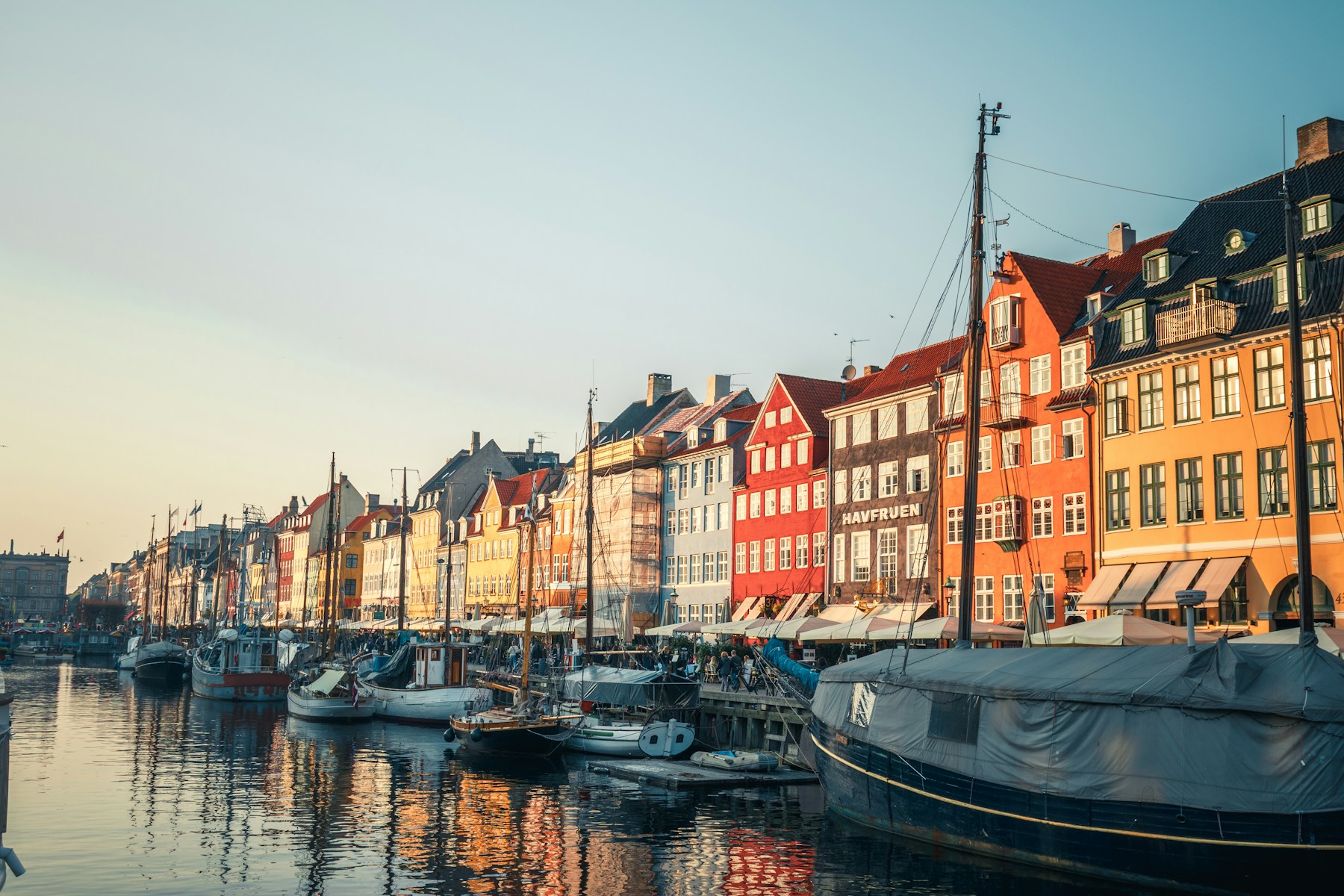
Spend three nights in Copenhagen, two in Aarhus and your final night back in Copenhagen. That gives you a day for the capital's castles and canals, a Roskilde day trip and time in Odense on the way west. It's a good first week in Denmark if you want to see several sides of the country by train: royal Copenhagen, the shipbuilding history of Roskilde Fjord, Hans Christian Andersen's hometown and Aarhus's museums and harbor.
The itinerary is also available as a free Denmark Google Sheets itinerary template. Make a copy to adapt the dates, trains and sightseeing to your trip. The screenshot shows the itinerary with Travel Mapper's map view open.

Itinerary Outline
- Days 1–2: Copenhagen. Walk Nyhavn on arrival, then visit Rosenborg Castle, the market halls and Christianshavn.
- Day 3: Roskilde. Take a train from Copenhagen for the Viking Ship Museum and cathedral, then return to the same hotel.
- Day 4: Odense and Aarhus. Break up the westbound journey with a visit to Hans Christian Andersen's House, then continue to Aarhus for two nights.
- Day 5: Aarhus. Give Den Gamle By most of the day, with a garden walk and dinner in the Latin Quarter.
- Days 6–7: Aarhus to Copenhagen. Visit ARoS and the waterfront, return to Copenhagen and take a separate airport transfer on departure day.
Reserve four nights in Copenhagen in two blocks: three at the start and one at the end. If you find a flight from a different airport that suits your trip, you can keep the final night in Aarhus and use the extra time for another museum or a waterfront walk.
Day 1: Arrive in Copenhagen and Walk Nyhavn
From Copenhagen Airport, choose the train or metro according to your hotel. The airport's transport guide explains the connections from Terminal 3. A train to Copenhagen Central makes sense for a stay near the station, while the metro can be more convenient for a hotel near Kongens Nytorv or Nørreport. Buy a valid ticket before boarding and check the live departure information at the airport.
Once you've left your bags, take a walk around Nyhavn. The narrow harbor is lined with brightly painted townhouses and moored boats. Cross to the other side to see the facades together, then choose dinner nearby or walk toward Kongens Nytorv for more options. For a late arrival, have dinner near your hotel and include Nyhavn on the following day's walk to Christianshavn.
Day 2: Rosenborg Castle, Market Lunch and Christianshavn
Start at Rosenborg Castle. The Renaissance rooms and the treasury give the morning two distinct parts: the royal interiors above and the crowns and jewels below. Pick an entry slot first, then leave time to walk through the King's Garden beside the castle. The gardens are also a pleasant short stop when someone in your group prefers an outdoor morning.
Head toward Nørreport for lunch at Torvehallerne. The two market halls make it easy for a group to choose separate lunches, and they're a good place to try smørrebrød, Danish open-faced sandwiches. From there, take public transport or walk across the harbor to Christianshavn. Start around the metro square and follow the canals along Overgaden, where boats and narrow waterside streets give the neighborhood a different scale from the center.

If you're in the mood for rides, gardens or an evening under the lights, put Tivoli here or on the final Copenhagen evening. Check the Tivoli calendar first: the park opens in distinct seasons, and opening times depend on the date. For an indoor afternoon, look into the royal reception rooms at Christiansborg Palace and check visitor access around official events.
Day 3: Viking Ships and Royal Tombs in Roskilde
Take a morning train to Roskilde and walk down through town to the fjord. Start at the Viking Ship Museum. The original Skuldelev ships explain how different vessels were built for trade, travel and war. The boatyard and reconstructed boats make it easier to imagine how the fragments in the hall once worked on the water. Check the museum's seasonal program if you want to see craftspeople or book a sailing.
Have lunch around the harbor or back in town. Then head uphill to Roskilde Cathedral. Its brick exterior and the royal burial chapels are the highlights; the interiors reflect different periods of Danish history. This is an active church, so check the visitor calendar close to the day. If your cathedral window is in the morning, reverse the two stops. Allow time for the uphill return from the fjord, or use the local journey planner for a bus.
Return to Copenhagen in the evening. Keeping the same room tonight makes the Roskilde day easy to move if a service, sailing or weather forecast changes.
Day 4: Stop in Odense on the Way to Aarhus
Book Copenhagen to Odense and Odense to Aarhus as separate legs so you can choose the length of the stop. DSB's guide to exploring Denmark by train describes the express connections; look up the actual times and conditions for your travel date. Leave a generous gap between the trains. It needs to cover storage, the walk to the museum, the visit and lunch, plus time to retrieve your luggage.
VisitOdense lists luggage lockers at the station. Check the sizes for your bags and have a backup if they are full. The museum also lists cloakroom lockers, but check its capacity for larger luggage. With oversized bags or young children, a night in Odense can be simpler. Another option is to go straight to Aarhus and keep the transfer day easy.
At Hans Christian Andersen's House, the displays use sound, storytelling and unusual spaces to interpret the author's life and fairy tales. Give the museum roughly two hours and choose your entry time after you know the train. Use any extra time for the old town lanes or a river walk toward Munke Mose. The separately located childhood home is a useful extra if you have a longer stop.

Collect your bags and continue to Aarhus. Have dinner near your accommodation and save the longer sightseeing for tomorrow.
Day 5: Historic Streets and Gardens in Aarhus
Give Den Gamle By most of the day. This open-air museum assembles historic houses, shops and streets from different periods. You can move from older workshops and timber-framed buildings to furnished homes and shops from the twentieth century. Choose a few periods to explore in detail and take a lunch break on site or nearby. The museum recommends allowing four to five hours for a full visit; the seasonal calendar also helps you decide which activities to prioritize.
In the afternoon, walk through the adjacent Botanical Garden if the weather is good. Treat the greenhouses as a separate stop and check their hours if you want to go inside. For dinner, head to the Latin Quarter around Pustervig and its small side streets. It makes a pleasant end to the day, especially if you want to browse design shops or stop for coffee before dinner.
Day 6: ARoS, the Harbor and the Return Train
Leave your luggage at the hotel if storage is available, then start at ARoS. Choose a few galleries and check access to Your rainbow panorama, the circular rooftop walkway with colored views over the city. Look up the museum's current hours and special closures when choosing your return train.
For lunch and a change of scene, walk toward Dokk1. The public library sits beside the harbor, with a large plaza and views across the water. If you have time for more contemporary waterfront architecture, head farther north toward Aarhus Ø; keep that extension flexible around your luggage pickup and train.

Take an afternoon or early evening train to Copenhagen. DSB's Aarhus–Copenhagen route page gives a typical fast-train journey of about three hours; check the date-specific journey and any engineering work. Plan dinner near the station or your hotel after arrival. An overnight in Copenhagen keeps that intercity journey separate from your flight.
Day 7: Depart from Copenhagen
Use the airport train or metro that suits your hotel and airline check-in window. Give yourself time to get from the platform to the terminal, especially if you have bags to check. With a late flight, a morning bakery stop or short harbor walk fits more easily than a timed museum reservation. Ask the hotel about bag storage before planning that extra outing.
Where to Stay
- Copenhagen Central and eastern Vesterbro: My first choice for this itinerary. It keeps the airport train, the Roskilde day trip and the westbound train easy to reach with luggage. Compare the hotel entrance with the station route, particularly if you need step-free access.
- Indre By or near Kongens Nytorv: Better for evening walks around the old center and harbor. Check the metro route from the airport and allow time to get to Copenhagen Central on train days.
- Central Aarhus: Look between Aarhus Central and the Latin Quarter. The station side is handy for luggage; the Latin Quarter is appealing for restaurants and a walk by the river. Check weekend bag storage before booking your last morning's activities.
- Final Copenhagen night: Use the same station-area hotel for an uncomplicated return, or pick a hotel on a direct airport connection if the flight leaves early.
Tickets, Timing and Seasonality
Use Rejseplanen for the whole journey, including local connections, and DSB for the intercity ticket choices. When you compare fares, read the departure and change conditions. A cheap fixed-departure fare can work well for the return train; for the Odense stop, flexibility can be worth having. DSB's seat reservation guide explains which trains take reservations. Consider one on a busy intercity departure, particularly if your group wants to sit together.
Late spring and early autumn are good starting points for a week split between museums and walking. Summer gives you more daylight for canals and gardens; check demand for popular time slots and rail seats. In winter, put outdoor walks in the middle of the day and confirm reduced opening hours, holiday dates and any seasonal activity before you book. Tivoli and Roskilde sailing both have their own calendars.
The sheet uses late-May sample dates with sightseeing blocks. Set the transfer times from actual tickets, and confirm the hours and admissions for your dates. Check the three date-sensitive pieces first: Rosenborg entry, the Odense museum slot between trains and the cathedral's visitor hours.
Ways to Adapt the Week
If you want a slower Odense visit: Add a night in Odense and take it from the first Copenhagen stay, or extend the trip by a day. That opens up the childhood home, a longer walk by the river or another museum. For six nights, decide whether a Copenhagen excursion or one of the capital days matters more before moving the night.
If you want another art day: Swap Roskilde for the Louisiana Museum of Modern Art in Humlebæk. Check the museum calendar and the walk from the station. Leave time for the sculpture grounds and coast as well as the galleries.
If archaeology matters more than modern art: Give Moesgaard Museum a half day from Aarhus. Check the bus in both directions and the departure time for your return to Copenhagen. It fits especially well if you can take a later train or add a night in Aarhus.
What the Denmark Template Includes
The free Denmark itinerary template includes the seven-day plan, location details, official planning links and optional museums, meals and lodging ideas. Keep the options that suit your trip and add your own. The base workbook also includes its checklist and split-cost tools. For a flexible starting point for another destination, see the Google Sheets travel planner template.
How Travel Mapper Helps With This Itinerary
Seeing the plan on a map helps with the decisions that matter here: choosing a hotel convenient for both airport and rail days, understanding the walk between Roskilde's fjord and cathedral, and judging how much of the Aarhus waterfront fits before a train. It also gives everyone in your group the same view of the stops you're considering.
Start with the free Sheet. When you want to see the itinerary on a map, autofill places from Google Maps or reorder stops visually, install Travel Mapper for Google Sheets. The add-on's full functionality is available to try for seven days, and you can keep using the basic spreadsheet afterward. The Travel Mapper Chrome extension can help collect places while researching. During the trip, the Travel Mapper web app gives you an integrated map and itinerary editing in a mobile browser. For more help choosing bases and transfer days, see our multi-city trip planning guide.
Denmark Itinerary FAQ
Is seven days enough for Copenhagen, Odense and Aarhus?
Yes, if you treat Odense as a focused stop and give Aarhus two nights. With a full day in Copenhagen, a Roskilde excursion and the arrival and departure days, you'll have a good first look at this part of Denmark. Add a night in Odense for a longer Funen visit.
Can I do this itinerary without a car?
Yes. Trains link the cities, and the main stops in Copenhagen, Roskilde, central Odense and Aarhus can be reached on foot or by local transport. Check the bus for an optional trip to Moesgaard and plan around your luggage on the Odense day.
Should I book the same ticket from Copenhagen through Odense to Aarhus?
For this sightseeing stop, price the two legs separately. That lets you choose the time and conditions of each departure. If you prefer a through ticket, confirm the specific fare's stopover rules with DSB before buying.
Where should I spend the last night?
Stay in Copenhagen for a flight from Copenhagen Airport, particularly an early departure. If you are leaving from another airport or taking a train onward from Jutland, an extra night in Aarhus may work better.