
10-Day Poland Itinerary: Gdansk, Warsaw and Krakow
Matt - October 25, 2026
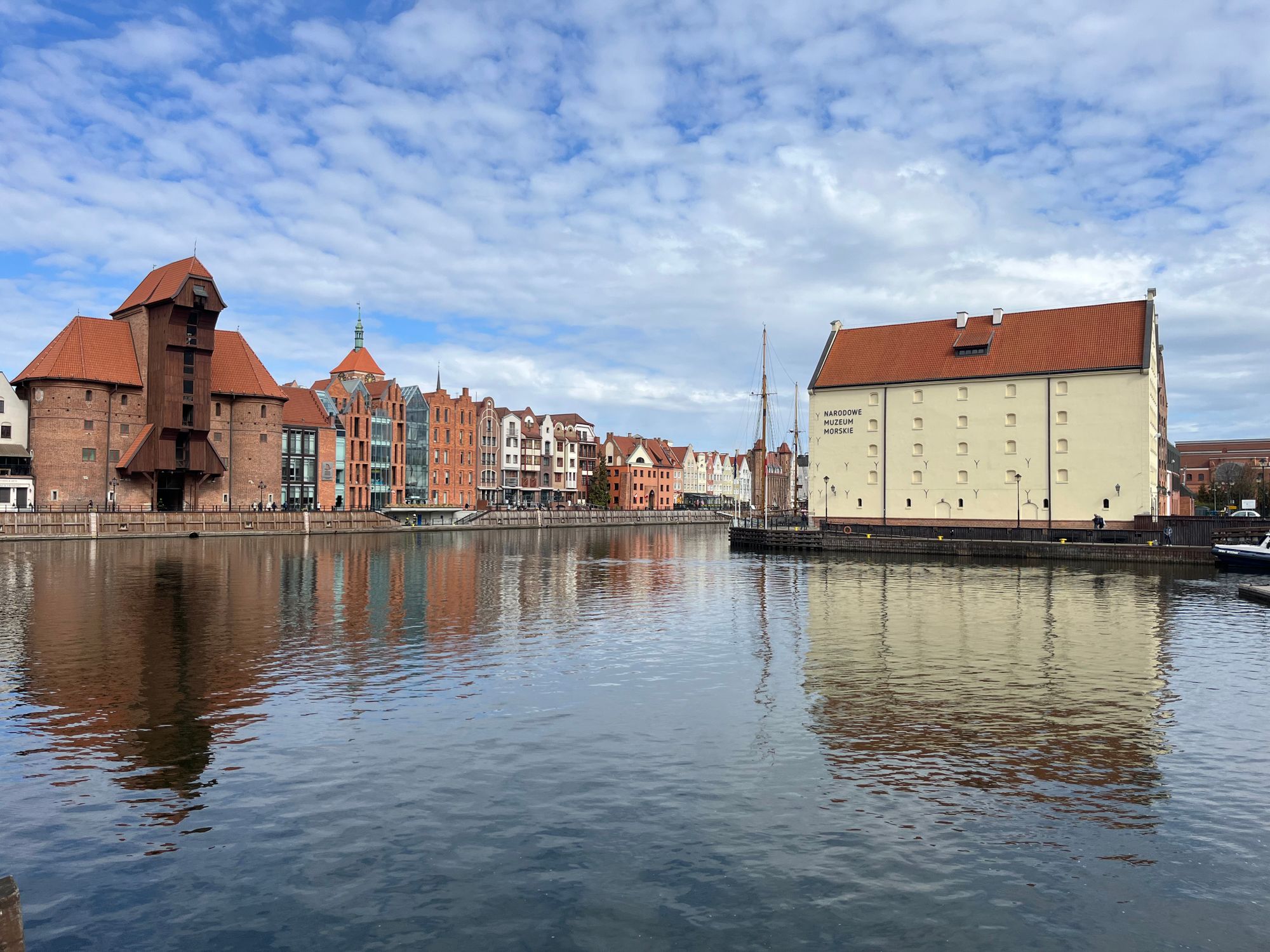
Ten days in Poland works well with three nights each in Gdansk, Warsaw, and Krakow, traveling south by train. Start with Gdansk's merchant streets and Baltic waterfront, continue to Warsaw for museums and parks, and finish in Krakow with Wawel, Kazimierz, and a visit to Wieliczka Salt Mine. A day trip to Malbork adds a substantial medieval castle visit to the northern part of the trip.
This itinerary suits a first visit focused on cities, history, and walkable neighborhoods. Flying into Gdansk and out of Krakow keeps the trip moving in one direction; you can reverse the order if your flights work better that way. The two intercity travel days each leave time for an afternoon introduction to the next city.
The itinerary is also available as a free Poland Google Sheets itinerary template you can copy and customize. It includes the ten-day plan, additional places to consider, booking reminders, a packing checklist, and shared-cost examples.

Itinerary Outline
- Days 1-3: Gdansk, three nights. Explore Main Town and the Motlawa waterfront, visit the Museum of the Second World War, and spend a day at Malbork Castle.
- Days 4-6: Warsaw, three nights. Take the train south, walk the Royal Route and Old Town, visit POLIN, and leave time for Lazienki Royal Park and the Vistula.
- Days 7-9: Krakow, three nights. Continue by train for the Main Market Square, Wawel, Kazimierz, and Wieliczka Salt Mine.
- Day 10: Departure from Krakow. Keep the morning flexible around your flight or onward train.
This is a nine-night itinerary with arrival on day one and departure on day ten. Allow roughly three hours for a fast Gdansk-Warsaw train and around two and a half to three hours for Warsaw-Krakow, then add the transfers between your lodging and the stations. Actual journey times depend on the service. Check your dates using the official Polish rail timetable links before booking accommodation around a particular departure.
When to Go and How to Pace the Trip
May, June, and September are good starting points for a city-focused trip with outdoor walks, parks, and castle visits. July and August offer long evenings and a livelier Baltic coast; reserve lodging and popular admission times early. In spring and autumn, bring a waterproof jacket and a warm layer for Gdansk's waterfront.
The itinerary also works in colder months with more indoor time and shorter outdoor walks. Winter visitors should check seasonal attraction routes and holiday schedules carefully. The Museum of the Second World War currently lists a full closure for January 7-26, 2027, alongside temporary exhibition-section closures during autumn 2026. Its official visit page is the place to check your dates.
Three nights per base provides two full sightseeing days between arrival and departure. The most structured days are Malbork and Wieliczka, where transport and a chosen admission time shape the day. Keep the other evenings flexible for a longer meal or a neighborhood you would like to explore further.
The template uses May 12-21, 2027 as sample dates. Its train and activity times are planning blocks, not booked services or confirmed opening times. Once you choose your travel dates, match museum closure days and timed tickets to the plan.
Days 1-3: Gdansk and Malbork
Day 1: Main Town and the Motlawa Waterfront
After arriving at Gdansk Airport, allow time for the trip into the city, luggage, and check-in. The airport's rail information explains connections toward central Gdansk; check whether your journey involves a change at Gdansk Wrzeszcz.
For a first walk, begin around Dluga and Dlugi Targ, the Long Market. This is Gdansk's best-known streetscape: narrow merchant facades, elaborate gables, and Neptune's Fountain. The compact area is a useful introduction to the city's maritime character and a comfortable place to find your first dinner.
Continue to the Motlawa quays and the historic Crane, or Zuraw. The waterfront gives you views across the river toward the granary island and plenty of places to pause. This afternoon is planned around the streets and exterior views, so it can expand or contract with your arrival time.
Day 2: A Major Museum, Mariacka and St Mary's
Make the Museum of the Second World War the main visit of the morning. Its exhibition examines the war through civilian experiences as well as military and political history. Allow about three hours as a planning starting point, with extra time if you like to read displays closely. Check current access notices and tickets on the museum's official site.
After lunch around Targ Rybny or the nearby waterfront, walk to Mariacka. The street is known for its raised terraces, stone details, and amber shops. It rewards a slower look at the buildings and small galleries, and it fits naturally with a visit to St Mary's Basilica nearby.
Treat the basilica interior and any tower visit as separate decisions. The church is an active place of worship, and the tower involves stairs. Check visitor access around services, then leave the remainder of the afternoon for the streets you enjoyed most. Mandu on Elzbietanska is one pierogi option included among the template's additional ideas; confirm your chosen restaurant's hours and dietary options.
Day 3: Malbork Castle

Travel from Gdansk Glowny to Malbork for the day. Select a train that leaves enough time to walk from Malbork station to the castle and arrive before your ticket time. The station-to-castle portion and the return journey deserve their own allowance in the day's schedule.
Malbork is a large red-brick fortified complex associated with the Teutonic Order. The appeal is in the sequence of courtyards, halls, defensive spaces, and architectural details. Reserve roughly three to four hours for your chosen interior route, with time for lunch and an exterior view afterward.
Use the castle's official visitor information to choose the route and language you want. Seasonal schedules and Monday access differ, so confirm that your ticket includes the interiors you intend to see. Return to Gdansk for a final dinner near Main Town and prepare for the next morning's train.
Days 4-6: Warsaw
Day 4: Train to Warsaw and an Old Town Introduction
Take a morning train to Warsaw, aiming for Warszawa Centralna if that suits your lodging. After check-in or a luggage drop, begin an afternoon walk along Krakowskie Przedmiescie toward Castle Square. The broad streets, churches, and civic buildings introduce the Royal Route before you enter the more compact Old Town.
Continue to the Old Town Market Square, whose reconstructed facades frame cafes and the Warsaw Mermaid statue. This is a good first-day walk because you can adjust its length to the train arrival. Reserve a Royal Castle interior visit for a separate timed slot if it is a priority.

Day 5: POLIN, Muranow and the New Town
Give the morning to POLIN Museum of the History of Polish Jews. Its core exhibition covers a long span of Jewish life in Poland, making it useful context for Warsaw and the later visit to Krakow's Kazimierz. Allow about three hours, with a longer visit if this is a central interest. POLIN is normally closed on Tuesdays; check your intended date when arranging this day.
Have lunch in Muranow, then continue toward Krasinski Garden. The garden offers a quieter outdoor interval after the museum. Freta Street and the New Town make a natural continuation for an afternoon walk, with places to stop for coffee and dinner.
For a second substantial history museum, the Warsaw Rising Museum can replace part of the following day's park time. It focuses on the 1944 uprising and calls for its own sightseeing block. Check its schedule and tickets before committing to a date.
Day 6: Lazienki, Central Neighborhoods and the Vistula
Start at Lazienki Royal Park, known for its landscaped grounds, water, and royal buildings. A park walk can be the main activity; if you want to enter specific interiors, check their individual tickets and opening times.
Head toward Plac Zbawiciela for lunch, then use the afternoon for Ujazdowski Park and nearby central neighborhoods. These areas offer a change in scale from Old Town and work well for cafes, architecture, and an unhurried afternoon.
If the weather suits, finish with a Vistula riverbank walk. Use local public transport between the park district and riverfront as needed. In cold or wet weather, an indoor museum visit or the Royal Castle is an easy substitute for this outdoor portion.
Days 7-10: Krakow and Wieliczka
Day 7: Train to Krakow and the Main Market Square
Travel from Warsaw to Krakow Glowny in the morning, then check in or leave your luggage. The station is convenient for approaching the Old Town from the north, which makes the afternoon straightforward if you are staying centrally.
Begin at Rynek Glowny, the Main Market Square. The Cloth Hall occupies the center, with arcades and shops that reflect the square's trading history. Walk the surrounding streets, then connect with the Planty gardens and St Florian's Gate for a sense of the old city's outline.
This is a good evening to stay near the square or choose a restaurant on a neighboring street. Leave any ticketed museum visit for a full day, when you can choose the time that suits it best.
Day 8: Wawel and Kazimierz

Spend the morning at Wawel Hill. The royal castle, cathedral, and surrounding courtyards bring several parts of Krakow's history together in one area. Decide in advance which interiors interest you most so you can choose the right tickets and arrival times.
The Wawel Royal Castle visitor page lists separate exhibitions and their schedules. Cathedral admission is handled separately from the castle's exhibition tickets. Leave some time for the hill's outdoor spaces and views toward the Vistula.
Continue to Kazimierz for lunch around Plac Nowy, then explore Szeroka and the surrounding streets. The district's Jewish heritage, synagogues, cafes, and courtyards give this afternoon a different focus from the royal complex. Choose a heritage interior if its visitor hours fit your plans.
Starka on Jozefa Street is one dinner option included in the itinerary. Book your preferred restaurant when you have a fixed evening in mind, especially for a weekend or a larger group.
Day 9: Wieliczka Salt Mine and a Flexible Krakow Afternoon
Book a language and entry time for the Wieliczka Salt Mine Tourist Route, then arrange transport around it. The route is known for underground chambers, salt sculptures, and chapels. The operator currently describes a visit of about two to three hours, covering roughly 3.5 kilometers and more than 800 steps.
Wear comfortable shoes and bring a light layer; the official guidance currently lists an underground temperature of about 17-18 degrees Celsius. Visitors who need a step-free arrangement should contact the mine about an appropriate accessible visit before booking. Confirm the entrance shaft named on your ticket.
Rail is one option from Krakow Glowny toward Wieliczka Rynek-Kopalnia. Check the dated service and the walk to your entrance. Return to Krakow with a flexible afternoon for a favorite neighborhood, a museum you have booked, or time around the Main Market Square.
Day 10: Departure
Keep breakfast and any final walk close to your lodging, with enough time to collect luggage and reach your departure point. For Krakow Airport, the official airport train page explains the rail connection via Krakow Glowny. Choose a departure based on the current timetable and your airline's check-in guidance.
If your trip ends with an onward train, compare its station and departure time before adding a final attraction. An early flight may make a ninth-night airport-area stay worth considering, although that adds a lodging move to the plan.
Where to Stay in Each City
- Gdansk: Main Town or the area between Main Town and Gdansk Glowny balances waterfront walks with the Malbork and Warsaw train departures. Check the actual walk with luggage, especially if your accommodation is across the river.
- Warsaw: Srodmiescie offers useful public transport connections and access to both the central station and the Royal Route. Old Town is attractive for evening walks; compare the additional station transfer against that setting.
- Krakow: The Old Town edge near Planty is convenient for the station and major sights. Kazimierz suits travelers who want neighborhood restaurants close by, with a longer transfer to Krakow Glowny.
For all three bases, check lift access, late check-in arrangements, and street noise when choosing a room in a historic building. The Sheet leaves the lodging locations for your own bookings, so the map can reflect the places you actually choose.
Trains, Tickets and Booking Priorities
The two main rail legs make this a practical car-free city trip. Start with the official timetable and operator links, then verify the departure station, service, reservation, and luggage arrangements for your selected train. Booking windows and fares depend on the operator and departure; check your actual dates.
Reserve the visits that shape a day first: Malbork's chosen route, Wawel exhibitions, and Wieliczka's language-specific entry. Add POLIN and the Gdansk museum around their opening calendars. For regional day trips, allow time between station arrival and attraction admission.
Use Polish zloty, PLN, for your trip budget. The Sheet's split-cost examples demonstrate shared expenses and are not attraction prices or a suggested daily budget. Replace them with your bookings and actual spending.
Optional Swaps and Extra Time
More Baltic time: Choose Sopot for a seaside half-day, with the pier and surrounding streets as the focus. Oliwa Park and the nearby cathedral offer another outing within the Gdansk area. Both suit a longer northern stay or a change to day three if Malbork is not your priority.
Solidarity history: The European Solidarity Centre explores the Solidarity movement and is a strong alternative museum choice in Gdansk. Check its current exhibition access, particularly if your dates overlap a closure at the Museum of the Second World War.
More Warsaw interiors: A timed visit to the Royal Castle fits travelers interested in royal interiors and collections. Praga and the Koneser area offer a neighborhood-focused alternative across the Vistula.
Auschwitz-Birkenau: If visiting the memorial is an important part of your trip, set aside a full day from Krakow and replace the Wieliczka day or add a night. Review the official individual-visitor guidance and reserve the required entry through the museum's official booking site. Allow for travel, the visit across the memorial sites, and the requested early arrival.
More Krakow history: Oskar Schindler's Enamel Factory focuses on Krakow under Nazi occupation. Pair a separately booked visit with Podgorze and Ghetto Heroes Square. The nearby Krakus Mound is an additional outdoor viewpoint for suitable weather.
With twelve days, an extra night in Gdansk and an extra night in Krakow make room for more of these choices. With seven days, focus on two of the three bases and keep two full sightseeing days in each.
What the Poland Google Sheets Itinerary Template Includes
- A ten-day itinerary with three nights each in Gdansk, Warsaw, and Krakow.
- Scheduled activities and thirteen additional ideas on the same Itinerary tab, including restaurants, neighborhoods, viewpoints, and alternative visits.
- Specific locations, official links, category colors, lodging placeholders, and booking notes.
- A Poland packing list and pre-trip checklist covering rail connections and attraction reservations.
- Plainly labeled shared-cost examples in PLN, with the template's split-cost formulas preserved.
For a general planner you can adapt to any trip, see the free Google Sheets travel planner and itinerary template.
How Travel Mapper Helps With a Poland Trip
Start by copying the free Poland itinerary and changing the dates, lodging, and activities for your trip. The spreadsheet is yours to keep using for free.
Travel Mapper for Google Sheets adds a map alongside the itinerary. On this trip, you can review the three city clusters together, see where Malbork and Wieliczka sit relative to your bases, and compare a booked hotel with the stations and attractions around it. Category colors help distinguish food, transit, lodging, and activities.
For an individual day, map-based review helps you judge which stops belong together before choosing times. The add-on also includes Google Maps autofill, drag-and-drop itinerary editing, itinerary email, and Google My Maps export. Our multi-city trip planning guide explains the planning decisions in more detail.
The Travel Mapper Chrome extension can help you add an activity from a page you are researching, such as a restaurant or museum. If you want to review or edit the trip from your phone while traveling, the Travel Mapper web app works in a mobile browser.
Install Travel Mapper from Google Workspace Marketplace to try the full add-on features free for seven days. After the trial, you can keep using the basic Google Sheets template for free; continued use of map view and the other paid add-on features requires a subscription.
Poland Itinerary FAQ
Is ten days enough for Gdansk, Warsaw and Krakow?
Yes. Nine nights split evenly across the three cities gives you two full sightseeing days in each base, plus part of each arrival day. This plan includes Malbork and Wieliczka as day trips. Add nights if you also want substantial Baltic coast time, Auschwitz-Birkenau, or more museums.
What is the best order for this Poland itinerary?
Gdansk-Warsaw-Krakow works well with flights into Gdansk and out of Krakow. The reverse works equally well when flights favor it. Warsaw sits between the other two cities on the rail route, so it is a practical middle base.
Do you need a car for this trip?
No. The main cities are connected by rail, with public transport for local journeys. Malbork and Wieliczka can also be arranged using trains and a walk to the attraction. Check your dated connections and ticketed entrances before choosing departure times.
Can you include Auschwitz-Birkenau in ten days?
Yes, by using a full Krakow-based day for the memorial and replacing Wieliczka or another planned day. Book through the memorial's official visitor system and allow time for both the visit and transport. An extra night in Krakow gives you more flexibility.
Is the Poland itinerary template free?
Yes. You can copy and customize the Google Sheets itinerary for free and continue using the basic spreadsheet. Travel Mapper's map view and other add-on features are available during the seven-day full-feature trial and require a subscription afterward.