
10 Day Bali Itinerary: Ubud, Munduk, Amed & Uluwatu Google Sheets Template
Matt - August 2, 2026
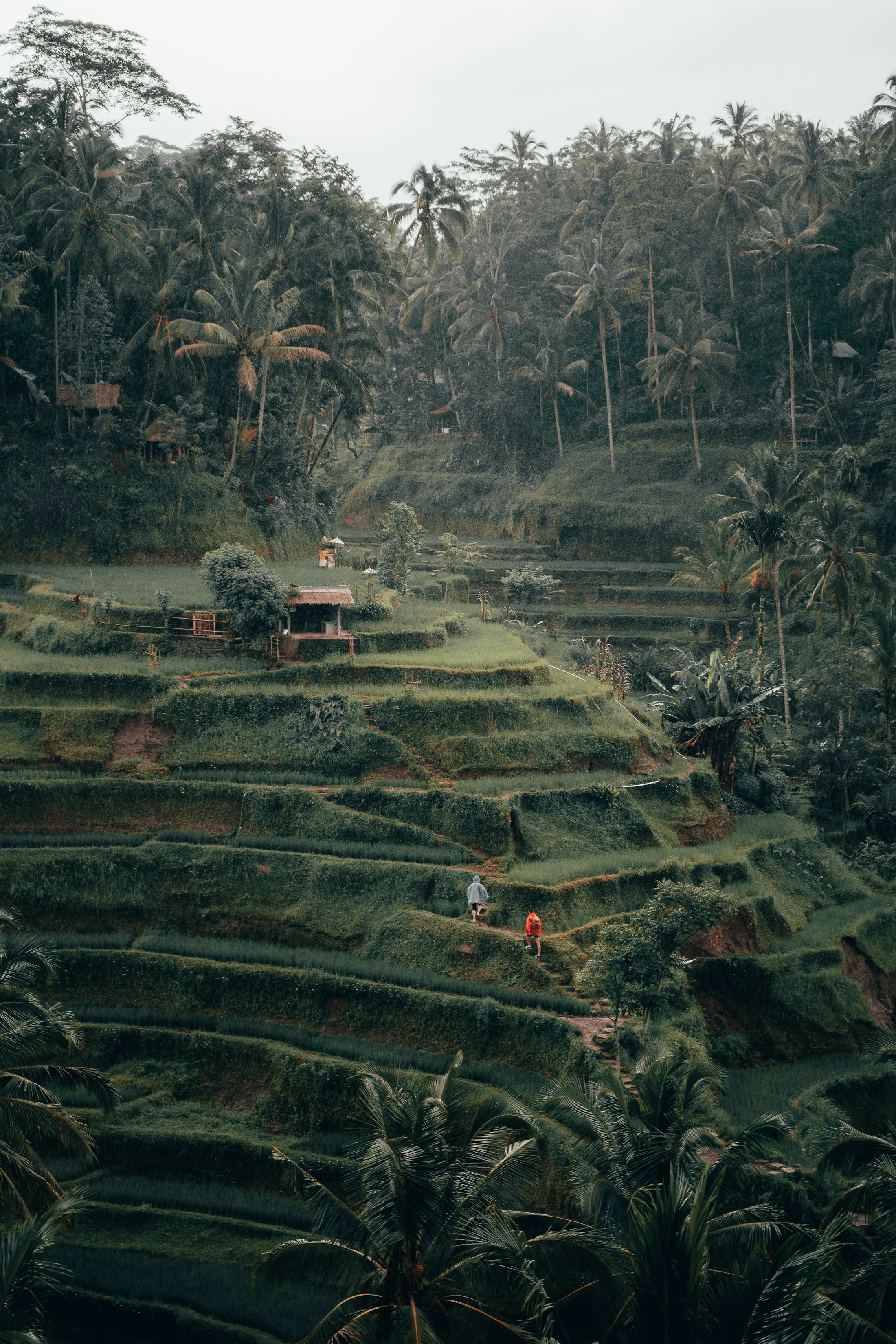
Bali is easiest to enjoy when the trip has a few well-chosen bases rather than a new hotel every night. This 10-day Bali itinerary starts in Ubud, continues through the cooler landscapes of Munduk, spends time on the east coast in Amed, and finishes around Uluwatu in the south. It combines temples, rice terraces, waterfalls, snorkeling, beaches, and slower evenings without asking every day to cover the whole island.
The itinerary is also available as a free 10 Day Bali Google Sheets itinerary template. Copy it, change the lodging and activity choices, and make the plan fit your travel style before you book.

Itinerary Outline
- Days 1-3: Ubud for temples, rice terraces, markets, galleries, and nearby cultural sites
- Days 4-5: Munduk for mountain scenery, waterfalls, coffee-growing landscapes, and Lake Beratan
- Days 6-7: Amed for a quieter east-coast base, snorkeling, coastal villages, and Tirta Gangga
- Days 8-10: Uluwatu for beaches, cliff views, the temple, and a final south Bali base near the airport
This is an active first-trip route with four bases. It works well if you want to see several sides of Bali and are comfortable with transfer days. For a slower trip, use the optional swaps section to remove Munduk or Amed and add nights in Ubud, Sanur, or Nusa Lembongan.
When to Go and How to Pace It
Bali is warm throughout the year. Many travelers prefer the drier part of the year for beach time and outdoor plans, while the wetter months can bring heavier rain and changing trail or sea conditions. A short shower does not necessarily change the day, but it is worth keeping waterfalls, mountain viewpoints, and boat activities flexible until you have a current forecast.
The route also benefits from starting early on the days that combine several stops. Ubud's nearby temples and rice terraces, the road through central Bali, and the south-coast beaches all become more complicated when every stop is pushed into the afternoon. The plan below gives each base a clear focus so you can adjust the details without rebuilding the whole trip.
Days 1-3: Ubud
Ubud is a useful first base because it brings together the parts of Bali many first-time visitors want to experience: temples, traditional dance and music, rice fields, craft shops, galleries, and restaurants. The center is busy and walkable in sections, while the surrounding villages and terraces are better reached by driver or organized visit.
Day 1: Arrive and settle into central Ubud
After arriving at Ngurah Rai International Airport, transfer to Ubud and keep the first afternoon light. Airport formalities, luggage, traffic, and check-in can take more time than expected, especially if your arrival is later in the day.
Once you are settled, walk through the Ubud Art Market and the streets around Ubud Palace. The market is a good introduction to local crafts and souvenirs, while the palace and nearby Saraswati Temple give you an early look at Balinese architecture and the role of temples in the center of town. Have dinner nearby rather than adding another long drive on your first night.
Day 2: Tegallalang and Tirta Empul
Start with the Tegallalang Rice Terrace north of Ubud. The stepped fields are the main attraction, and the visit is more enjoyable when you leave time for the paths, viewpoints, and small cafes. The landscape changes with planting and harvest cycles, so the color and water in the terraces will vary during the year.
Continue to Tirta Empul Temple in Tampaksiring. This is a water temple with a long history of ritual bathing and temple activity. Visitors should dress respectfully and follow current instructions at the site. Pairing Tegallalang and Tirta Empul works because they sit in the same general direction, although the day still includes winding roads and time in the temple complex.
Return to Ubud for dinner. If you want a performance, check the current schedule for traditional dance before choosing a show, since performance nights and venues can change.
Day 3: Goa Gajah, Campuhan Ridge, and an open evening
Visit Goa Gajah in the morning. The archaeological site is known for its carved cave entrance, bathing pools, stonework, and surrounding grounds. It is a different experience from the larger temple complexes because the interest is concentrated in a compact historic site and the landscape around it.
In the afternoon, walk the Campuhan Ridge path and spend time in Ubud's galleries or cafes. The walk is a good change of pace after two days of temples and viewpoints, with an easy way to keep the afternoon centered around one part of town. Leave the evening open for a longer dinner, a cultural performance, or a quiet night at your lodging.

Days 4-5: Munduk and the central highlands
Munduk gives the middle of the trip a cooler mountain setting. It is known for forested paths, waterfalls, coffee-growing areas, and views across the north-central highlands. It is a good contrast to Ubud and the coast, but it also means slower roads and weather that can change quickly around the mountains.
Day 4: Ubud to Munduk through Jatiluwih and Lake Beratan
Leave Ubud in the morning and use the drive north as part of the day. Stop at Jatiluwih Rice Terraces, where broad views show how Bali's rice landscapes extend beyond the smaller terraces near Ubud. Jatiluwih sits within the broader UNESCO-listed Cultural Landscape of Bali Province, a landscape shaped by the subak system of water management and its associated water temples.
Continue to Ulun Danu Beratan Temple on the shore of Lake Beratan. The temple complex is known for its lakeside setting, mountain backdrop, shrines, and gardens. Clouds and mist can change the view, so keep the stop worthwhile even when the lake is not perfectly clear. Check current visitor information before you go, especially around local ceremonies or changing weather.
Continue to Munduk for check-in and dinner. This is a full transfer day, so one substantial landscape stop and one lakeside visit are enough.
Day 5: Waterfall and lake country
Spend the morning on a Munduk waterfall walk. Waterfall trails vary in length and footing, and recent rain can affect the paths, so choose a route that matches your group and check local conditions. The area is as much about the forest, small farms, and cooler air as the waterfall itself.
In the afternoon, visit a viewpoint over Lake Buyan and Lake Tamblingan or stop at a coffee-growing property near Munduk. These landscapes are more open and rural than Ubud, with time to pause between stops. Return to Munduk for dinner and an early night before the east-coast transfer.

Days 6-7: Amed and east Bali
Amed is a coastal base with a different feel from southern Bali. It is a useful place to slow down, spend time in the water, and explore a quieter stretch of the east coast. The shoreline includes black-sand beaches, fishing villages, small restaurants, and snorkeling areas, while nearby Tirta Gangga and Tulamben give you different day-trip options.
Day 6: Munduk to Amed with Tirta Gangga
Allow most of the morning for the transfer from Munduk to Amed. This is one of the longer travel days in the itinerary, so confirm the route with your driver and keep the rest of the day close to the transfer path.
Stop at Tirta Gangga Water Palace before arriving in Amed if the timing works. The former royal water palace is known for its pools, fountains, stone pathways, gardens, and views toward the surrounding countryside. It is a place to walk slowly and look at the details rather than a quick stop between two hotels.
After check-in, spend the evening around Jemeluk Bay. The bay is convenient for a sunset walk, a nearby dinner, and the snorkeling plans for the following morning.
Day 7: Snorkeling and the Amed coast
Use the morning for snorkeling in Jemeluk Bay or arrange a separate trip to the USAT Liberty shipwreck at Tulamben. Jemeluk is the simpler local option. Tulamben is a different destination that needs additional road time and a qualified local operator, particularly if you plan to dive rather than snorkel. Confirm current sea conditions and operator requirements before booking.
Spend the afternoon exploring Amed's coastal villages, black-sand shoreline, local warungs, or salt-farming views. The appeal of this part of Bali is the combination of water time and an easy evening, so you do not need to add another full-day excursion after the morning activity.

Days 8-10: Uluwatu and south Bali
Uluwatu is a strong final base because it puts beaches, cliff viewpoints, the temple, and the airport on the same side of the island. The area is spread out, and the stair access at some beaches can be demanding, so choose a base that matches how much time you want to spend in the water versus at cafes and viewpoints.
Day 8: Amed to Uluwatu
Start early for the transfer from Amed to Uluwatu. This is the longest transfer in the route and can be affected by traffic, so plan one beach stop and an easy evening after arrival.
After checking in, choose Padang-Padang Beach for a first south-coast stop. The beach sits below a cliff and has a compact, enclosed setting. Check the steps, tide, and current swimming conditions before deciding how long to stay.
For sunset, consider Bingin Beach and the restaurants above the shore. Bingin's cliffside setting and stairs make it feel different from the broader beach areas around Kuta and Sanur. Keep dinner near your base afterward so the day ends without another long drive.
Day 9: Uluwatu Temple, Melasti Beach, and Kecak
Visit Uluwatu Temple in the morning when you can take in the cliff views and temple grounds without making the sunset performance the only focus of the visit. The temple is perched above the Indian Ocean, and the setting is the main reason it belongs on this route.
Spend the afternoon at Melasti Beach or choose another nearby south-coast beach. Melasti is known for its pale sand, clear water on favorable days, and limestone cliffs along the approach. Check current beach access and sea conditions before swimming.
Return to Uluwatu Temple for the Kecak performance if the schedule fits. Confirm the current performance time and entry details in advance, and arrive early enough to handle parking, entry, and seating before sunset.

Day 10: Keep the final morning light
Use the last morning for breakfast, a short beach visit, or a cafe close to your accommodation. Keep the final plan close to Uluwatu and allow a comfortable airport buffer for the drive to Ngurah Rai International Airport. If your flight is late, Sanur or another south Bali base may be a better final-night choice for a future version of the trip.
Where to Stay Along the Route
Ubud is the best base for the first three nights if you want walkable access to the market, palace, restaurants, galleries, and cultural performances. Staying just outside the center gives you more quiet and greenery, but you will rely more on a driver or local rides for evenings.
Munduk is about atmosphere and landscape. Choose a place with views, on-site meals, or a convenient location for the waterfall walks you want to do. It is less useful as a nightlife base and more useful as a pause between inland Bali and the coast.
Amed works best when your accommodation is close to the part of the coast you want to use. Jemeluk Bay is convenient for snorkeling and dinners, while other sections of Amed can feel more residential and spread out.
Uluwatu, Pecatu, and Bingin offer different versions of south Bali. Pecatu is convenient for the temple and beaches, Bingin is more cliffside and restaurant-focused, and the wider Uluwatu area can be practical for an airport departure. Check the walking and stair access around each property before booking.
Transport and Booking Notes
For this route, a private driver or pre-arranged transfer is usually the simplest way to connect the four bases and the inland stops. The most important planning detail is the order of the bases, not the straight-line distance between individual attractions. Roads, traffic, weather, and time spent at each site can change the day.
Book the four lodging bases before filling every optional activity. Then check the current opening information for temples, the current schedule for the Uluwatu Kecak performance, and the sea conditions before committing to snorkeling or a boat trip. If you are considering Nusa Penida or Nusa Lembongan, treat the boat schedule as a separate planning decision rather than a small detour.
For current destination guidance, use the official Indonesia Travel Bali guide and check current entry, visitor, temple, and local-regulation information before departure.
Bali Itinerary Google Sheets Template
The free Bali itinerary template includes the four-base route above, airport transfers, temples, rice terraces, waterfalls, beaches, snorkeling options, lodging rows, a packing checklist, and shared-cost examples. It also includes additional ideas such as Sidemen, Kintamani, Nusa Penida, Nusa Lembongan, Sanur, Canggu, and Seminyak so you can compare different versions of the trip in one place.
All of the scheduled activities and alternative ideas are on the main Itinerary tab. The alternatives are left without dates and times so you can choose them after you decide how many bases and beach days fit your trip. The checklist and split-cost tabs are there for the practical details that are easier to forget once the destination research gets busy.
How Travel Mapper Helps with Bali Planning
Travel Mapper works inside Google Sheets so you can see the itinerary on a map while you decide whether the order of Ubud, Munduk, Amed, and Uluwatu makes sense for your trip. That context is useful for comparing a four-base route with a slower three-base version before you commit to hotels or long transfers.
With the Travel Mapper Google Sheets add-on, you can use the map view, drag-and-drop itinerary editing, Google Maps autofill, itinerary email, and Google My Maps export when those tools fit your planning workflow. The Travel Mapper Chrome extension can also help you add an activity from a page you are researching, such as a restaurant or snorkeling operator, without copying the details into a separate research document first.
Start with the free Google Sheets itinerary template. When you want the map-based Google Sheets features, try the Travel Mapper Google Sheets add-on. If you want to review or edit the trip from your phone while traveling, the Travel Mapper web app works in a mobile browser.
For another spreadsheet-first multi-city example, compare this route with the 10 Day Portugal itinerary template, the 10 Day Switzerland itinerary template, or the 10 Day Thailand itinerary template. The Google Sheets travel planner template explains the broader planning workflow.
Optional Swaps for Different Bali Trips
Replace Munduk with Sidemen
Sidemen is a good swap if you want another inland base with rice-field views and a quieter village setting. It creates a simpler cultural and countryside route, but you give up Munduk's cooler mountain scenery and waterfall walks.
Replace Amed with Nusa Lembongan
Nusa Lembongan can work for a slower island stay with snorkeling and a compact coastal base. It adds boat logistics, so check the current port and sea conditions before treating it as a direct replacement for Amed.
Add Nusa Penida instead of a south Bali beach day
Nusa Penida is a full-day choice rather than a quick outing. Add it only if the island's cliffs and beaches are a priority and you are comfortable building the day around boat schedules and local transfers.
Use Sanur for the final base
Sanur is a practical alternative to Uluwatu if you want a flatter waterfront, an easier final morning, or convenient access to the Nusa islands. You will trade Uluwatu's cliffs and beaches for a calmer, more urban beach setting.
FAQ
Is 10 days enough for Bali?
Ten days is enough for a well-paced first trip that combines inland Bali, the north-central highlands, the east coast, and south Bali. This version is active because it uses four bases. A slower trip would remove Munduk or Amed and add nights to Ubud, Sanur, or one island base.
Is Ubud or Uluwatu better for a first trip to Bali?
They serve different purposes. Ubud is better for temples, rice terraces, galleries, cultural performances, and inland day trips. Uluwatu is better for cliffs, beaches, sunset views, and a final base near the airport. Including both gives the itinerary more variety.
Do I need a private driver for this Bali itinerary?
A private driver or arranged transfer makes the Ubud-to-Munduk-to-Amed-to-Uluwatu route easier to manage, especially on the transfer days and for inland stops. You can use local rides for shorter trips, but allow more time when you are connecting several destinations.
Can I use this as a Bali honeymoon itinerary?
Yes, if you prefer a trip that mixes scenery, temples, beaches, and a few active days. For a more relaxed honeymoon pace, keep Ubud and Uluwatu, then use the middle of the trip for one coastal base instead of changing hotels in both Munduk and Amed.
Where is the Bali Google Sheets template?
You can copy the free 10 Day Bali Google Sheets itinerary template and customize the dates, lodging, stops, costs, and optional ideas for your own trip.