
10-Day Thailand Itinerary: Bangkok, Chiang Mai, Krabi & Phuket + Free Google Sheets Template
Matt - July 27, 2026
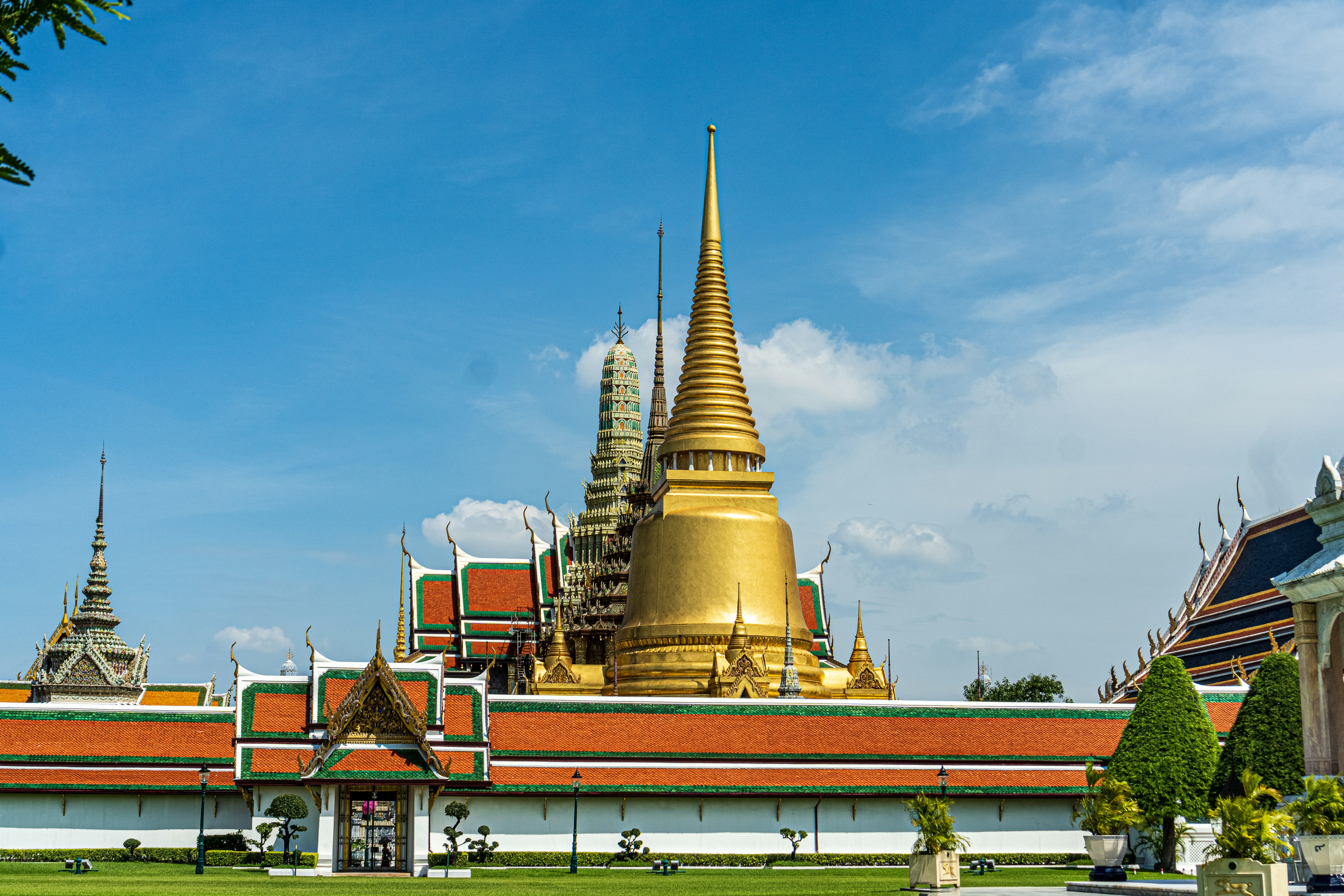
Thailand rewards a route with a little structure. Bangkok brings the temples, markets, river neighborhoods, and food; Chiang Mai adds a slower old-city rhythm and mountain views; Krabi brings limestone cliffs and boat days; Phuket gives you a flexible beach base before flying home.
This 10-day Thailand itinerary follows that combination: three days in Bangkok, two in Chiang Mai, three in Krabi, and two in Phuket. It is designed for a first trip that wants a mix of culture, food, landscape, and time near the Andaman coast.
You can also copy the free 10-day Thailand itinerary Google Sheets template and adapt the route for your own flights, hotels, temples, markets, restaurants, boat trips, costs, and travel dates. The Google Sheets travel planner template gives you a broader planning framework if you are building a different route.

Itinerary Outline
This route is a good starting point for a first 10-day Thailand trip:
- Days 1-3: Bangkok, with the Grand Palace, Wat Pho, Wat Arun, Chinatown, the Chao Phraya waterfront, and an Ayutthaya day trip
- Days 4-5: Chiang Mai, with Doi Suthep, the Old City, temples, markets, cafes, and a choice of mountain or ethical wildlife activities
- Days 6-8: Krabi, based in Ao Nang for Railay, Phra Nang Cave Beach, and a weather-dependent island or lagoon day
- Days 9-10: Phuket, with Old Phuket Town, a beach base, and a flexible final day before departure
The route uses domestic flights between the major regions so the trip has time for both sightseeing and slower meals. You can replace Phuket with more time in Krabi, or replace the Krabi and Phuket section with a different island plan, but keeping one main Andaman base and a smaller number of boat days makes the schedule easier to adjust.
Best time and pacing for this Thailand itinerary
Thailand has several weather patterns rather than one uniform travel season. Bangkok and Chiang Mai can have different conditions from the Andaman coast, and the islands can be affected by wind, rain, and sea conditions even when a city day looks clear. Check the Tourism Authority of Thailand weather guidance and current local forecasts before booking weather-sensitive activities.
November through February is often the simplest period for a route that combines Bangkok, northern Thailand, and the Andaman coast. It is also a popular period, so lodging, flights, and boat excursions can fill earlier. March through May can be hot, particularly in Bangkok and Chiang Mai. Northern Thailand can also have periods of reduced air quality during the dry-season burning period, so check current conditions if Chiang Mai is a major reason for your trip.
The wet season does not make every day unusable, but it changes how much flexibility you want. Keep boat trips and exposed viewpoints movable, and avoid building every afternoon around one fixed outdoor activity. A city museum, market, cooking class, or long meal can be a better use of a rainy afternoon than trying to force a sea excursion through poor conditions.
The pace is deliberately fuller in Bangkok and lighter around Krabi and Phuket. Temples and markets are easier to enjoy when you group them by area, while beach days work better when the sea, transfers, and energy levels have room to change.
Day 1: Arrive in Bangkok and settle into the river districts
Bangkok is a large city, so the neighborhood you choose will shape the first few days. Riverside and Old Town locations put the Grand Palace, Wat Pho, Wat Arun, Chinatown, and historic markets within a natural sightseeing area. Sukhumvit and Silom offer more modern restaurants, shopping, and transit connections. For a first visit focused on temples and the river, staying near the Old Town or riverside is convenient; for a trip with more nightlife and city shopping, a BTS-connected base can be easier.
After arriving, keep the first afternoon close to your hotel. Walk along the Chao Phraya waterfront, explore the lanes near your base, and have an early dinner in Chinatown or a nearby neighborhood. Bangkok's street-food and restaurant scene ranges from market stalls to polished dining rooms, so choose a first meal that suits your arrival time rather than crossing the city for one specific restaurant.
If you arrive early and feel rested, Talat Noi is a good first neighborhood to explore. It is known for old shophouses, small shrines, street art, and riverside lanes near Chinatown. It gives you a more local-feeling introduction to Bangkok before the larger temple sites on Day 2.
Day 2: The Grand Palace, Wat Pho, and Wat Arun
Group Bangkok's most important temple sights together. Start at the Grand Palace, the former royal complex known for its ceremonial buildings, ornate architecture, and the Temple of the Emerald Buddha. Dress for a religious site, check the current visitor guidance, and allow more time than a quick photo stop because the complex includes multiple courtyards and buildings.
Walk or take a short local transfer to Wat Pho. Wat Pho is known for the large Reclining Buddha, the temple's murals and chedis, and its connection with traditional Thai massage. The site is close to the Grand Palace but feels different in scale and layout, with courtyards that are rewarding to explore at a slower pace.
Continue across the river to Wat Arun, whose riverside prang is one of Bangkok's most recognizable landmarks. The temple is especially striking from the water and from the opposite bank, while the grounds give you a closer view of the ceramic and architectural detail. Check the current ferry crossing and temple access before setting a precise time.
Return to the river or Chinatown for dinner. A sunset drink or meal with a view can be a pleasant way to finish the day, but the best evening plan depends on where you are staying and how much time you spend at the temples.
Day 3: Ayutthaya history and a Bangkok evening
Ayutthaya is a useful day trip when you want to see Thailand's former royal capital without adding another hotel change. The historic park is known for temple ruins, brick prangs, Buddha images, and the remains of a city that was an important center of trade and power before its destruction in the 18th century. The ruins are spread across a broad area, so choose a manageable group of sites and give each one enough time.
Start with Wat Mahathat and the historic center, where the tree-root Buddha head is one of the park's most photographed details. Continue to Wat Ratchaburana or another nearby temple if you want more towers and brick architecture, then use a midday break for lunch before visiting Wat Chaiwatthanaram along the river. The Fine Arts Department's Ayutthaya map is useful for understanding how the sites fit together.
You can travel by train, private transfer, organized tour, or a combination of local transport. The best choice depends on whether you want to move between several ruins independently or prefer a simpler day with a guide. Check current schedules and heat conditions, and carry water because many of the historic sites are open and exposed.
Return to Bangkok for dinner in a neighborhood you have not yet explored. If you prefer a city day, replace Ayutthaya with the Jim Thompson House Museum, Wat Saket and the Golden Mount, or Chatuchak Weekend Market when your dates line up with its opening days.

Day 4: Fly to Chiang Mai and explore the Old City
Fly from Bangkok to Chiang Mai and use the afternoon to settle into the northern part of the trip. Chiang Mai's Old City is enclosed by a moat and remnants of historic walls, with temples, cafes, small hotels, and restaurants within a walkable area. Nimman is more contemporary, with coffee shops, design stores, and evening dining, while the riverside and Night Bazaar areas offer a different mix of markets and restaurants.
Choose a base according to the kind of evening you want. The Old City is convenient for temple walks and early starts. Nimman works well if you prefer cafes, modern restaurants, and a more contemporary neighborhood. A riverside hotel can be relaxing, though you will make more short rides into the Old City.
Spend your first afternoon at Wat Chedi Luang and Wat Phan Tao, then walk the surrounding lanes. Wat Chedi Luang is known for its large, weathered chedi and central position in Chiang Mai's historic story. Wat Phan Tao is a smaller teak temple nearby, with a quieter feel and distinctive wooden construction. Finish at the Night Bazaar or a local restaurant rather than planning another major attraction across town.
Day 5: Doi Suthep, Chiang Mai markets, or a northern day trip
Wat Phra That Doi Suthep sits on the mountain above Chiang Mai and is known for its golden chedi, temple courtyards, and views over the city when the air is clear. Go early if you want cooler temperatures and a calmer visit. The drive up is part of the experience, and the mountain setting makes this feel distinct from the temples inside the Old City.
Back in town, spend the afternoon with a market, cooking class, cafe, or a slower neighborhood walk. Chiang Mai is a good place to allow time for activities that are less landmark-driven: browse craft shops, visit a gallery, sit down for a long meal, or return to a temple you passed the day before.
If you want more time outdoors, use the day for Doi Inthanon National Park or Mae Kampong Village instead. Doi Inthanon adds waterfalls, mountain scenery, and Thailand's highest peak, but it requires more road time. Mae Kampong is a small mountain village with forest surroundings and a slower pace. Both are better as dedicated day trips than as quick additions after a full city schedule.
Elephant experiences need careful research. If you choose one, look for a current operator whose program emphasizes observation and responsible care, and confirm exactly what the visit includes before booking.

Day 6: Fly to Krabi and settle into Ao Nang
Fly from Chiang Mai to Krabi and use Ao Nang as the base for the next three nights. Krabi is known for limestone cliffs, mangrove and coastal landscapes, islands, and beaches reached by longtail boat. Ao Nang is a practical base because it has a broad selection of lodging and restaurants, and it is a common departure point for Railay and nearby island trips.
The transfer from Krabi Airport to Ao Nang can take time depending on traffic and arrival conditions, so keep the first afternoon simple. Walk along the waterfront, choose a restaurant, and use the evening to confirm the next day's boat plan. If you prefer a quieter setting, consider lodging near Nopparat Thara Beach; if you want easy access to restaurants and departures, central Ao Nang is more convenient.
Day 7: Railay Beach and Phra Nang Cave Beach
Take a longtail boat from Ao Nang to Railay. The peninsula is separated from the mainland by limestone cliffs and is known for its dramatic rock formations, beaches, climbing routes, and paths between Railay East, Railay West, and Phra Nang.
Railay West is the broad beach side and a good first arrival point when the tide and boat landing allow. Railay East has mangroves and a walking path toward the center of the peninsula. Continue to Phra Nang Cave Beach, where the pale sand, clear water, limestone walls, and cave shrine create a different atmosphere from Railay West. The beach can be busy, so allow time to walk the shore, look up at the cliffs, and enjoy the setting.
If your group climbs, Railay is also known for routes on the limestone cliffs, but climbing should be arranged with a qualified local operator and suitable conditions. For everyone else, a beach-and-walk day is enough. Bring sun protection and water, and check the last practical boat connection before settling into the afternoon.
Return to Ao Nang for dinner. Keep the evening light after a hot day in the sun, especially if you plan an island excursion on Day 8.
Day 8: Hong Islands, a Krabi alternative, or a flexible sea day
The Hong Islands are a strong choice for a full day on the water. The group is known for clear bays, limestone scenery, beaches, and a lagoon reached through a narrow opening. A current boat trip may include snorkeling and several stops, but the exact route and conditions vary by operator, tide, wind, and season.
Choose a trip that gives the group enough time to enjoy the water rather than measuring the day by the number of islands listed on the booking page. Check the meeting point, boat type, transfer time, equipment, lunch arrangements, and weather policy. If the sea is rough, replace the excursion with a mainland day around Krabi Town, a waterfall or hot spring visit, or more time in Ao Nang.
Phi Phi Islands and Phang Nga Bay are meaningful alternatives, but they are different day shapes. Phi Phi suits travelers who want a larger island excursion with beaches and snorkeling. Phang Nga Bay is known for steep limestone karsts, sheltered water, and boat routes around the bay. Choose the boat day that best matches the islands and activities you want to experience.
Day 9: Transfer to Phuket, Old Phuket Town, and a beach evening
Transfer from Krabi to Phuket by the current road or boat connection that best fits your dates. A road transfer gives you more control over luggage and arrival timing, while a boat can make the journey part of the day when sea conditions and schedules cooperate. Check the current operator timetable before booking because routes vary by season.
Phuket is a large island, and the best place to stay depends on the final two days. Kata and Karon offer a practical beach base with restaurants and sunset access. Patong has the most concentrated nightlife and shopping. Phuket Old Town is best for architecture, cafes, local food, and a city-focused evening; choose a west-coast base when beach access is the priority.
Spend the afternoon in Old Phuket Town if you stay nearby or if the transfer allows. The area is known for colorful Sino-Portuguese shophouses, historic streets, cafes, markets, and a strong local food scene. It is a good counterpoint to the beaches and boat trips earlier in the route. On a Sunday, the Sunday Walking Street market can be an appealing evening option, subject to current operation and weather.
End the day at the beach closest to your lodging. Keeping the final evening local gives you more time to enjoy Phuket instead of spending it in traffic.

Day 10: Phuket beach morning and departure
Use the final morning for a swim, a beach walk, or breakfast near your hotel. If your flight is later and your luggage arrangements are easy, you can add a short visit to a viewpoint, market, or Old Phuket Town. Keep enough time for the airport transfer because Phuket traffic can make a short distance take longer than expected.
If you have several extra days, keep Phuket as a base for Phang Nga Bay, a Phi Phi excursion, Koh Yao Noi, or more time on the west coast. If your flight leaves early, staying near the airport on the final night can make departure easier.
Where to stay along the route
Bangkok
Stay in Bangkok Old Town or near the river for easy access to the Grand Palace, Wat Pho, Wat Arun, Chinatown, and historic neighborhoods. Sukhumvit, Silom, and other BTS-connected areas are better when you want modern restaurants, shopping, or simpler connections around the wider city. Look at the actual transfer time to your first morning stop before choosing a hotel.
Chiang Mai
The Old City is the best fit for temple walks and a compact first visit. Nimman is a good choice for cafes, restaurants, design shops, and a more contemporary feel. The riverside and Night Bazaar areas work when evening markets and waterfront dining are more important than being beside the historic center.
Krabi
Ao Nang is the most practical base for Railay and island departures. Central Ao Nang keeps restaurants and boat arrangements close. Nopparat Thara is a little quieter and can suit travelers who want more beach space. Krabi Town is useful for a local city base but adds more transfer time for Railay and island days.
Phuket
Choose Kata or Karon for a balanced beach stay, Patong for nightlife and shopping, or Old Phuket Town for architecture and food. The island is spread out, so a hotel that looks close on a map may still involve a long drive at busy times. Match the base to the part of Phuket you actually want to experience.
Transport and booking logistics
Book the long connections and limited-capacity activities first:
- International flights and domestic flights between Bangkok, Chiang Mai, and Krabi
- Bangkok, Chiang Mai, Ao Nang, and Phuket lodging
- Grand Palace and other timed attractions if current visitor rules require advance planning
- Rail or private transport for the Ayutthaya day trip
- Railay and island boat excursions, with weather and cancellation policies checked
- Airport transfers or an onward transfer between Krabi and Phuket
Domestic flights are the most time-efficient way to connect Bangkok, Chiang Mai, and Krabi for a 10-day route. If you prefer trains or overland travel, add more time and consider dropping one region. Travel between Krabi and Phuket can work by road or boat, but the best choice depends on current schedules, luggage, sea conditions, and where you are staying.
Group the Bangkok temple sites geographically and keep boat days movable. On the sheet, use the Location column like a Google Maps search: add a neighborhood, landmark, pier, or full address when a name could point to several places. This makes the map more useful when you review the route. Confirm current opening hours, transport schedules, weather, and access conditions shortly before the trip.
For more help organizing multiple bases, transfers, and booking links, see the multi-city trip planning guide. The Japan itinerary, Portugal itinerary, Greece itinerary, and Croatia itinerary show how the same planning approach works for other multi-stop trips.
Optional Thailand itinerary ideas
The sample route is only one way to divide 10 days. These alternatives are included on the main itinerary tab so you can compare them with the scheduled route:
- Chatuchak Weekend Market: a large market for clothing, crafts, food, plants, and browsing; it fits best when your Bangkok dates include the weekend
- Jim Thompson House Museum: a compact Bangkok museum and house complex with Thai art, architecture, and garden spaces
- Wat Saket and the Golden Mount: a temple complex with a hilltop view over older Bangkok neighborhoods
- Doi Inthanon National Park: a cooler mountain day from Chiang Mai with waterfalls, forest, and summit-area scenery
- Mae Kampong Village: a forested mountain village with cafes, local food, and a slower day outside Chiang Mai
- Emerald Pool and Hot Spring Waterfall: inland Krabi-area nature stops that work when the group wants a break from the coast
- Phi Phi Islands: a full boat day built around beaches, limestone scenery, and snorkeling; choose it instead of another island excursion
- Phang Nga Bay: a sheltered karst landscape and boat day that can replace the Hong Islands
- Koh Yao Noi: a quieter island extension with rural roads, viewpoints, and a different pace from Phuket's busier beaches
- Old Phuket Town Sunday Walking Street: an evening market for food and local browsing when the weekly schedule lines up
- Elephant Nature Park: a Chiang Mai-area visit to research carefully, with the exact program and current animal-welfare practices checked before booking
What the Thailand Google Sheets itinerary template includes
The public sheet is populated with the Bangkok, Chiang Mai, Krabi, and Phuket route above, plus locations, links, notes, categories, and illustrative costs. Every option stays on the main Itinerary tab. Scheduled rows have dates and times; unscheduled ideas use blank date and time cells so they remain available while you decide how they fit your trip.
The template also includes:
- A Thailand-focused packing and pre-trip checklist for heat, sun, rain, temples, boat days, and domestic flights
- A shared-cost sheet with categories for lodging, flights, transfers, meals, entrance fees, boat trips, and other group expenses
- Space for your own hotel confirmations, restaurant research, transport links, notes, and booking details
- Location text that is specific enough to help Travel Mapper identify the right place when a landmark name is shared by several destinations
Use the free Thailand itinerary template as a starting point, then update the dates and choices after checking current local guidance, weather, opening hours, and transport schedules.
How Travel Mapper helps with a Thailand trip
The free Google Sheets planner keeps flights, hotels, temples, markets, restaurants, boat trips, costs, packing, and notes in one place. With the Travel Mapper Google Sheets add-on, you can see the itinerary on a map inside Google Sheets and review how the Bangkok, Chiang Mai, Krabi, and Phuket stops fit together before you commit to the final order.
That map context is helpful for Thailand because the trip combines dense city neighborhoods, airports, historic sites, mountain excursions, piers, beaches, and island days. Drag-and-drop itinerary editing makes it easier to fine-tune the order of stops within a day. Google Maps autofill helps add place details to the sheet, and the Travel Mapper Chrome extension can add a restaurant, hotel, activity, or viewpoint to your itinerary while you research it on another webpage.
During the full-feature trial, the add-on also supports itinerary email and Google My Maps export. After the trial, you can continue using the basic Google Sheets template for free. If you want to review or edit the trip from your phone while traveling, the Travel Mapper web app works in a mobile browser.
Thailand itinerary FAQ
Is 10 days enough for Thailand?
Ten days is enough for a first route that combines Bangkok, Chiang Mai, and the Andaman coast, especially when you use domestic flights between regions. It is not enough to add every major island, northern national park, and beach town without making the trip mostly about transfers. Add days before adding another region.
Is it better to visit Krabi or Phuket?
Krabi is a natural choice when you want limestone scenery, Railay, Phra Nang, and boat trips from Ao Nang. Phuket has more variety in beaches, neighborhoods, restaurants, nightlife, and airport connections. Including both works when you want to compare the two areas, but a shorter trip may be more relaxing with one coastal base.
Should I visit Ayutthaya on a 10-day Thailand trip?
Ayutthaya is worth considering if you enjoy historic sites and want to see temple ruins without changing hotels. It is a good use of the third Bangkok day because the trip can return to the same base. If your priority is markets, shopping, or a slower Bangkok schedule, replace it with a city day instead.
Do I need to book Thailand boat trips in advance?
Popular boat excursions can sell out in busy periods, but the right timing depends on the route, season, and operator. Before booking, check the departure point, transfer time, boat type, weather policy, included equipment, and return schedule. Keep at least one coastal day flexible when sea conditions matter to the experience.
What should I pack for this Thailand itinerary?
Pack light clothing for hot weather, comfortable walking shoes, sun protection, rain protection, and clothing that covers shoulders and knees for temple visits. Add a small day bag for boat trips and a dry bag or waterproof protection for electronics during wet weather or sea transfers. The checklist in the free template includes a more detailed starting point.
Can I use the Thailand itinerary template without Travel Mapper?
Yes. The Google Sheets itinerary template is free to copy and use. Travel Mapper is the optional Google Sheets upgrade for travelers who want map view, drag-and-drop itinerary editing, Google Maps autofill, itinerary email, or Google My Maps export while planning a multi-stop trip.