
10 Day Greece Itinerary: Athens, Santorini & Naxos Google Sheets Template
Matt - July 17, 2026
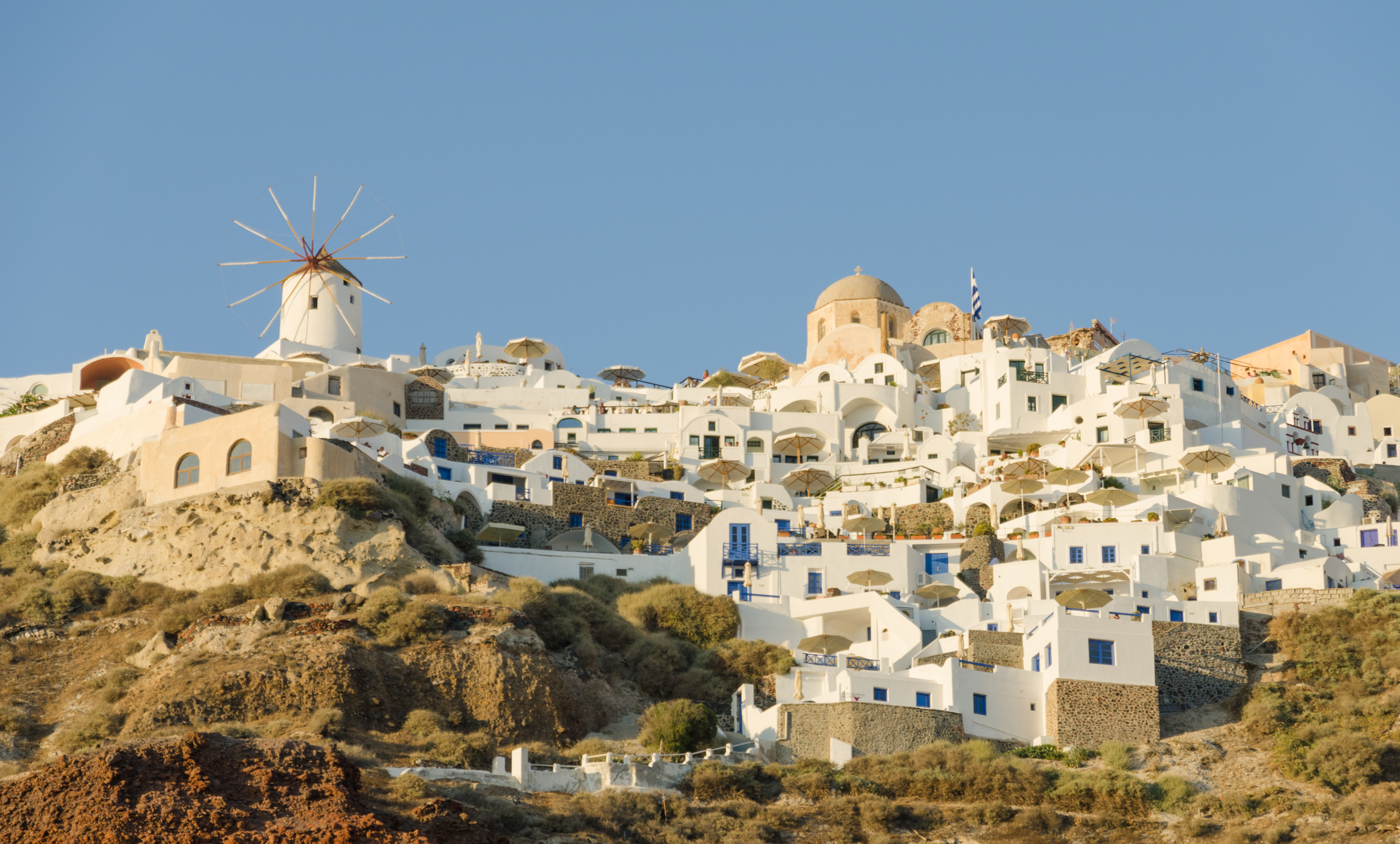
Ten days in Greece gives you enough time to combine Athens with two Cycladic islands when you keep the route focused. This itinerary spends three nights in Athens, three nights in Santorini, and three nights in Naxos, then returns to Athens on Day 10. You will have time for the Acropolis and Athens neighborhoods, Santorini's caldera villages and archaeological sites, and both the beaches and mountain villages of Naxos.
Use the free 10 day Greece itinerary Google Sheets template to adjust the route for your flights, ferry times, hotels, tickets, restaurants, and interests. It also includes unscheduled options such as Cape Sounion, a Santorini sailing trip, Naxos beaches, Mount Zas, and a Paros swap. For a reusable planner for another multi-stop trip, start with the free Google Sheets travel planner template.

Itinerary Outline
This 10 day Greece itinerary follows:
- Days 1-3: Athens
- Days 4-6: Santorini
- Days 7-9: Naxos
- Day 10: Return to Athens and depart, or stay near the airport for an easier connection
Athens brings the major ancient sites and a lively modern city into the same three-day stay. Santorini adds volcanic landscapes, caldera villages, Akrotiri, and distinctive local wines. Naxos finishes the island portion at a more relaxed pace, with a walkable old town, long beaches, fertile countryside, and mountain villages that feel different from the better-known cliffside scenery of Santorini.
The route works in either direction, but Athens to Santorini to Naxos is easy to understand and gives you a short island-to-island ferry in the middle. If your international flight leaves early on Day 10, return to Athens on Day 9 and shorten Naxos by one night. If your schedule allows an eleventh night, staying in Athens before the flight gives you more flexibility.
What the Greece itinerary template includes
The template is already filled with a realistic sample trip that you can adapt. It includes:
- A complete Athens, Santorini, and Naxos itinerary
- Official links for archaeological sites, museums, airports, ferries, and visitor information
- Unscheduled ideas for day trips, beaches, hikes, villages, viewpoints, and food-focused stops
- A Greece-focused packing list and pre-trip checklist
- A shared-cost tracker for lodging, ferries, flights, tickets, meals, and local transport
- Space for hotel details, reservation times, costs, notes, and links
The sample dates use September, when the islands are still lively and the most intense summer heat has usually eased. Check the current ferry schedule, attraction hours, weather, wind, and any local water-use guidance for your exact dates.
Best time for this Greece itinerary
Late April through June and September through early October are the most comfortable periods for combining Athens with the Cyclades. Spring brings wildflowers and cooler walking weather, while September keeps the sea warm and usually has a broader range of ferry services than the shoulder-season edges.
July and August have the hottest weather, the largest crowds, and the highest demand for island lodging and ferries. In Athens, plan exposed archaeological sites early in the day. On Santorini, visit Oia in the morning and give yourself time to move between the caldera villages with a midday break during the hottest hours. On Naxos, a beach afternoon can balance a morning in the inland villages.
Late October through March is better suited to an Athens-centered trip. Many island hotels, restaurants, tours, and seasonal ferry routes operate on reduced schedules, and beach time becomes weather-dependent. Santorini and Naxos still have year-round communities, but the experience is quieter and requires more schedule checking.
Day 1: Arrive in Athens and explore Plaka
Stay in Plaka, Monastiraki, Syntagma, or Koukaki for a first visit. Plaka places you among older lanes below the Acropolis. Monastiraki is livelier and convenient for metro connections. Syntagma is practical for airport transport, while Koukaki has restaurants and cafes within an easy walk of the Acropolis Museum.
After checking in, walk through Plaka toward Anafiotika, the small hillside pocket beneath the Acropolis with whitewashed houses and narrow steps that recall the Cyclades. Continue toward the Roman Agora and Monastiraki Square, where the Acropolis remains visible above the busy center.
Keep the first evening flexible around your arrival time. Plaka and Psyrri both make it easy to find a relaxed dinner without a complicated cross-city trip. Look for grilled fish or meat, seasonal vegetable dishes, mezze, and a neighborhood bakery for the following morning.
Day 2: The Acropolis, museum, and central Athens
Reserve an early timed entry for the Acropolis. The climb passes the Theatre of Dionysus and Odeon of Herodes Atticus before reaching the Propylaea, Temple of Athena Nike, Erechtheion, and Parthenon. From the plateau, you can see much of the route you will walk later: Plaka, the Ancient Agora, Lycabettus Hill, and the modern city spreading toward the coast.

Allow around two hours for the site, then continue along Dionysiou Areopagitou to the Acropolis Museum. The galleries arrange finds from the Acropolis slopes and temples with clear sightlines back toward the monuments. The top floor presents the Parthenon frieze in the same orientation as the temple, which makes the museum especially useful after seeing the site itself.
In the late afternoon, walk through the National Garden and around Syntagma, or return to Monastiraki and Psyrri. Athens is easier to enjoy when you alternate major sites with neighborhood time, so plan time for a coffee, a shaded square, or a longer dinner between museum visits.
Day 3: Ancient Agora, a museum choice, and an Athens viewpoint
Begin at the Ancient Agora, the civic and commercial center of ancient Athens. The site is more open and garden-like than the Acropolis. Its best-preserved landmark is the Temple of Hephaestus, while the reconstructed Stoa of Attalos contains a museum of objects tied to daily and public life.
Choose one major afternoon focus. The National Archaeological Museum has the country's broadest collection of ancient Greek art, including Mycenaean gold, bronze sculpture, pottery, and finds from across the islands and mainland. If another museum feels too ambitious, spend the afternoon in Kolonaki, the National Garden, or around the central market instead.
Near sunset, go to Lycabettus Hill for a broad view over the city and the Acropolis. You can walk up or use the funicular from Kolonaki. Finish with dinner nearby or return to the historic center.
Cape Sounion is the strongest optional day trip from Athens. The Temple of Poseidon stands on a headland above the Aegean, about a half-day from the city. Add it only if you are comfortable replacing part of Day 3 or extending Athens, since the Acropolis, Agora, and central neighborhoods already fill the core stay well.
Day 4: Travel to Santorini and walk the caldera villages
You can reach Santorini from Athens by air or ferry. The flight itself is short, while the ferry gives you a longer Aegean journey from Piraeus. Visit Greece notes that conventional ferries take considerably longer than high-speed services, so compare the full schedule, port transfer, baggage rules, and price before deciding.
Santorini's ferry port, Athinios, sits below steep caldera cliffs and can become congested around arrivals. Arrange your hotel transfer in advance. The airport is closer to the center of the island, so arrange your onward transport before landing.
Stay in Fira for the widest choice of restaurants and bus connections, Firostefani for a quieter base within walking distance of Fira, Imerovigli for caldera views and a calmer evening, or Oia when its architecture and sunset atmosphere are the main priority.
After checking in, walk part of the caldera path through Fira, Firostefani, and Imerovigli. Whitewashed buildings sit along the rim above the flooded volcanic caldera, with views toward Nea Kameni and Thirassia. Choose a section that fits your energy after the transfer; there is plenty of time for a longer walk over the next two days.
Day 5: Oia, Finikia, and Ammoudi Bay
Visit Oia in the morning, when its lanes and viewpoints are easier to enjoy. The village stretches along the northern caldera rim, with cave houses, blue-domed churches, galleries, small museums, and the ruins of a Venetian castle. The most recognizable views appear around the church domes and the castle area, but the quieter lanes away from the main pedestrian route are also worth exploring.

Walk or take a short ride to Finikia, a traditional village set slightly inland from the caldera. Its lanes are quieter than central Oia and show more of the island's agricultural side. For lunch or an afternoon stop, descend to Ammoudi Bay below Oia. The small harbor is known for seafood tavernas, fishing boats, and red volcanic cliffs.
There are many steps between Oia and Ammoudi, so include the return climb or arrange transport in your timing. For sunset, choose the castle viewpoint, a caldera walk, or a restaurant terrace in Oia or Imerovigli. The castle area draws the largest crowd; a different caldera viewpoint often provides a more relaxed end to the day.
Day 6: Akrotiri, southern beaches, and Santorini villages
Spend the morning at Akrotiri, a Bronze Age settlement preserved beneath volcanic ash. The covered site contains streets, multi-story buildings, storage rooms, pottery, and other evidence of a sophisticated Aegean community. Its finds help explain Santorini beyond the caldera views and whitewashed villages.
Continue to the Red Beach viewpoint or the black-sand beaches around Perissa and Perivolos, checking current access conditions first. Red Beach is known for its rust-colored cliffs and volcanic landscape, while Perissa and Perivolos offer a longer shore with beach services and restaurants.
In the afternoon, visit Pyrgos and Megalochori. Pyrgos climbs around a former Venetian castle and opens to wide island views. Megalochori has a compact square, bell towers, traditional houses, and vineyards around the village. Santorini's vines are trained low to the ground to protect them from strong winds, and the island is especially known for Assyrtiko.
Reserve a winery tasting if that interests you and arrange transport that does not require a member of your group to drive afterward. A caldera sailing trip is another good Day 6 option, particularly if swimming and views from the water matter more than the inland villages. Compare group size, departure harbor, transfer arrangements, swimming stops, and whether the trip runs during your season.
Day 7: Ferry to Naxos, Chora, and the Portara
Take a ferry from Santorini to Naxos. Schedules vary by season and operator, so use the current timetable from Blue Star Ferries or the operator running your chosen sailing. Athinios port traffic can be slow, and check-in requirements differ, so follow the time given by the ferry company and your transfer provider.
Naxos Chora grows directly around the ferry port, making the arrival much simpler than Santorini. Stay in Chora for a first visit, especially if you want to walk to restaurants and the port. Agios Georgios works well for travelers who want a nearby beach while remaining close to town. Agios Prokopios and Agia Anna are better for a beach-centered stay but require a bus, taxi, or rental vehicle for Chora and the inland villages.
Spend the afternoon in the Old Market and Kastro. The old town climbs from the waterfront through covered passages and narrow lanes to a Venetian citadel. Small shops, cafes, churches, and old residences fill the route, and the Archaeological Museum area gives you a sense of Naxos's long history before the next day's countryside drive.
Walk to the Portara near sunset. The monumental marble gate belonged to an unfinished Temple of Apollo on Palatia islet and frames views back toward Chora and across the Aegean.

Day 8: Halki, Filoti, and Apeiranthos
Use Day 8 to see the interior of Naxos. A rental car offers the most flexibility, while a small-group island tour is useful if you do not want to drive. Public buses reach several villages, but the schedule may limit how many places you can combine in one day.
Start in Halki, a former commercial center in the Tragea valley. Neoclassical houses, small galleries, cafes, and the long-running Vallindras kitron distillery make it a pleasant morning stop. Kitron is a local citrus liqueur made from citron leaves, and the surrounding valley is greener and more agricultural than many first-time visitors expect from a Cycladic island.
Continue to Filoti on the slopes of Mount Zas. The village gathers around a broad plane-tree square with cafes and tavernas, then climbs into whitewashed lanes and churches. It is also a starting point for hikes toward Mount Zas, the highest peak in the Cyclades, though the summit route deserves its own half-day and suitable weather.
Finish in Apeiranthos, known for marble-paved lanes, stone houses, arches, small museums, and mountain views. The village has a distinct architectural character and rewards a slower walk through the lanes around the main square.

Return to Chora for dinner. Naxos is known for potatoes, cheeses such as graviera and arseniko, local meats, honey, and kitron, making this a good evening to try dishes that feature local ingredients.
Day 9: Temple of Demeter and a Naxos beach
Begin at the Temple of Demeter near Sangri. The sanctuary was built from local marble in a fertile rural setting and has been partly reconstructed, with a small museum beside the site. Pair it with the villages and farms of the Tragea plain or the unfinished Kouros statues near Melanes if archaeology is a priority.
Spend the afternoon on the west coast. Agios Prokopios has clear water, a long organized beach, and regular connections to Chora. Agia Anna feels slightly smaller and has tavernas close to the sand. Plaka continues south in a long sweep, with both organized sections and quieter stretches. Alyko, farther southwest, has small coves, dunes, and a protected cedar area for travelers with a car.
Wind conditions can change which beach feels most comfortable on a given day. Ask locally and choose based on the weather, transportation, and whether you want beach services or a quieter shoreline.
For the final island evening, eat near the beach or return to Chora for the waterfront and old-town lanes. Confirm the next morning's airport or port transfer before dinner.
Day 10: Return to Athens and depart
Naxos has flights to Athens as well as ferries to Piraeus. A flight is usually easier when you need to connect with an international departure on the same day, but separate tickets still need a comfortable buffer. Compare the actual schedules before booking and consider an airport-area or central Athens night when the connection feels tight.
The ferry is a good choice if you have an extra Athens night or a late onward plan. It also gives you a final Aegean crossing, though the journey and Piraeus-to-airport transfer take much longer than the flight.
If you return early and stay overnight, use the afternoon for anything missed at the start of the trip: the central market, Benaki Museum, Cycladic Art Museum, Stavros Niarchos Foundation Cultural Center, or a final dinner in a favorite Athens neighborhood.
Where to stay along the route
Athens
Plaka and Monastiraki provide the easiest access to the historic center. Koukaki is convenient for the Acropolis Museum and has a neighborhood restaurant scene. Syntagma works well for airport connections and central transport, while Kolonaki suits travelers who prefer a more polished residential and shopping area near Lycabettus.
Santorini
Fira has the best transport connections and widest restaurant selection. Firostefani keeps you near Fira with a quieter evening. Imerovigli is a strong choice for caldera views and a relaxed base. Oia places you in the island's most famous village but requires more planning for trips to Akrotiri, southern beaches, and the ferry port.
Naxos
Chora is the most convenient all-around base for a short stay, particularly for ferry access and evening restaurants. Agios Georgios combines a beach with walking access to town. Agios Prokopios, Agia Anna, and Plaka are better choices for a beach-focused trip, with buses or taxis needed for most time in Chora and the interior.
Ferry, flight, and booking notes
Book the trip in this order:
- International flights and the Athens dates
- Athens, Santorini, and Naxos lodging
- Athens-to-Santorini travel and the Santorini-to-Naxos ferry
- Naxos-to-Athens travel and any same-day connection buffer
- Acropolis entry and other priority archaeological sites
- Santorini sailing, winery, or special dinner reservations
- A Naxos rental car or island tour if you want to explore the interior
Use current operator schedules for every ferry and flight. Ferry times, vessel types, ports, and seasonal frequency can change, and strong winds sometimes affect operations. Keep reservation details and accommodation contacts easy to access on transfer days.
For more help organizing several lodging bases and transfers, read the multi-city vacation planning guide. The 10 day Italy itinerary, 10 day Spain itinerary, and 10 day Portugal itinerary use the same template-backed approach for other multi-stop European trips.
Optional Greece itinerary ideas
- Cape Sounion: a half-day from Athens for the Temple of Poseidon and coastal views
- Delphi: a mainland archaeological trip that works best with an extra Athens day or an overnight extension
- Santorini caldera cruise: a half-day on the water with swimming stops and volcanic scenery
- Ancient Thera: a hilltop archaeological site above Kamari and Perissa
- Skaros Rock: a caldera walk from Imerovigli with steps and exposed sections
- Alyko: small beaches and a protected cedar area on southwest Naxos
- Kouros of Melanes: an unfinished archaic marble statue in the Naxos countryside
- Mount Zas: a half-day hike for experienced walkers with suitable weather and an early start
- Paros instead of Naxos: a strong swap for Parikia, Naoussa, and an Antiparos day
- Milos instead of Santorini: a route change for volcanic beaches and coastal landscapes, with different ferry and flight logistics
Paros is the easiest direct substitute for Naxos because it keeps the Athens-Cyclades structure intact. Milos changes the ferry pattern and is better planned as its own version of the trip. Add extra mainland days if you want to include Delphi or Meteora.
How Travel Mapper helps with a Greece trip
The free template keeps flights, ferries, hotels, ticket links, activities, costs, packing, and shared notes together in Google Sheets. With Travel Mapper, you can see the itinerary on a map inside the same spreadsheet and compare how the Athens neighborhoods, Santorini villages, and Naxos stops are grouped.
The map is particularly helpful on Santorini and Naxos, where a place that looks close by name can involve a different bus route, a longer drive, or a transfer around the island. Drag-and-drop itinerary editing helps fine-tune the order of a day, and Google Maps autofill can add place details to the sheet. The Chrome extension can add ideas from attraction, hotel, restaurant, and travel-research pages while you compare options.
Travel Mapper includes a seven-day trial of the full add-on feature set. After the trial, you can keep using the basic Google Sheets template for free or upgrade for the map view, drag-and-drop editing, itinerary email, and Google My Maps export.
Copy the free 10 day Greece itinerary template and adjust Athens, Santorini, and Naxos for your trip.
Frequently asked questions
Is 10 days enough for Athens, Santorini, and Naxos?
Yes. Three nights in each base gives you two full sightseeing days plus the arrival or transfer day. The pace is active but manageable because there is only one island-to-island ferry. Add an Athens night after Naxos if your international departure time needs a more comfortable connection.
Should I visit Santorini or Naxos first?
Either direction works. Athens to Santorini to Naxos is a natural sequence when flight or ferry schedules line up, and Naxos often provides a more relaxed finish. Reverse it when fares, flight availability, or ferry times are better for your dates.
Is Naxos a good alternative to Mykonos?
Naxos suits travelers who want beaches, a walkable port town, local food, mountain villages, and more room for an island drive. Mykonos has a different emphasis on nightlife, design-focused hotels, beach clubs, and access to Delos. Choose the island that best matches the beaches, towns, and landscapes you want for your trip.
Do I need a car in Greece for this itinerary?
You do not need a car in Athens. Santorini can be explored with buses, taxis, transfers, or tours, though a rental vehicle adds flexibility. On Naxos, a car is useful for combining Halki, Filoti, Apeiranthos, Sangri, and quieter beaches in one or two days. Confirm license and permit requirements with the rental company before booking.
How far ahead should I book Greek ferries?
Book once your lodging and route are firm, especially for summer, weekends, and preferred high-speed departures. Some seasonal schedules are released gradually. Use the operator's current timetable, confirm the departure port, and review check-in and baggage instructions close to the trip.
Can I replace Naxos with Paros?
Yes. Paros works well in the same three-night slot. Stay in Parikia for ferry convenience or Naoussa for a more polished harbor setting, then add Lefkes, beaches, and an Antiparos day. Update the ferry legs and island transport plan in the template.
Can I use the Greece itinerary template without installing Travel Mapper?
Yes. Open the public Google Sheet and choose Make a copy to save it to your Drive. You can update dates, bookings, activities, costs, and checklists for free. Install Travel Mapper when you want to see the itinerary on a map and use the add-on planning features inside Google Sheets.