
10 Day Italy Itinerary: Rome, Florence, Tuscany & Venice Google Sheets Template
Matt - July 21, 2020
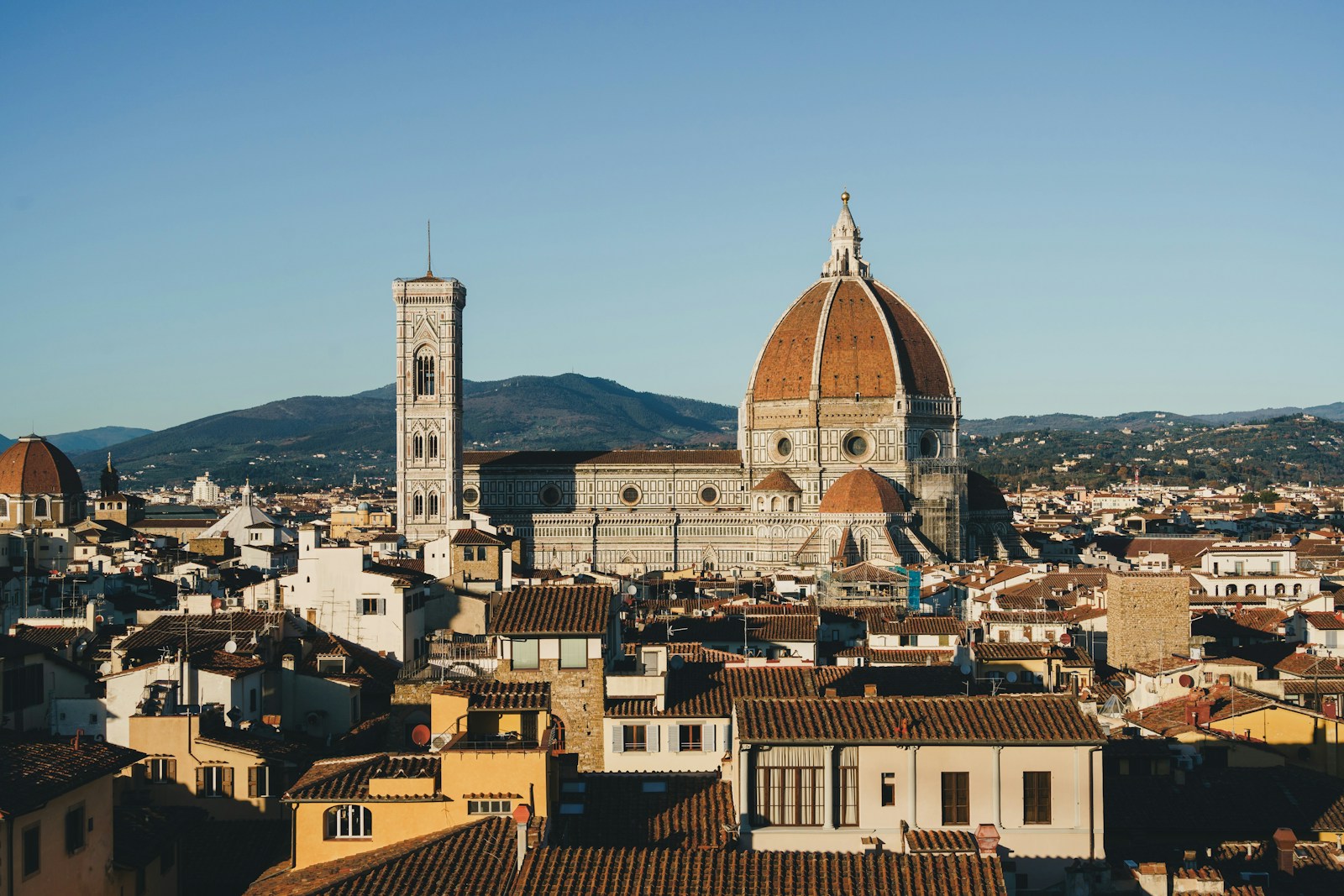
This 10 day Italy itinerary is built for a first trip that wants Rome, Florence, a Tuscany day, and Venice without changing hotels every night. It works best if you like a classic city-and-train route, want enough structure to book the major pieces, and still want room for restaurants, viewpoints, and optional side trips.
Use the free 10 day Italy itinerary Google Sheets template as your starting point, then adjust hotels, train times, museum reservations, restaurants, and optional ideas for your trip. If you want a broader planner instead of this destination-specific version, start with the Google Sheets travel planner template.

The best 10 day Italy itinerary for a first trip
For a first Italy trip, a practical 10 day route is Rome, Florence, one Tuscany countryside day, and Venice. It gives you ancient Rome, Vatican City, Renaissance Florence, a smaller Tuscan city or countryside day, and Venice's canals without making the whole trip feel like a train schedule.
- Days 1-3: Rome for arrival, the historic center, ancient Rome, and Vatican City
- Days 4-7: Florence as the base for the Duomo area, Uffizi or Accademia, Siena, and a Tuscany countryside day
- Days 8-10: Venice for canals, San Marco, quieter neighborhoods, and a flexible island or departure day
This route works especially well by train. Use Trenitalia or another current rail source before you choose hotels or lock in transfer days. For the broader process behind planning a multi-city route like this, see the multi-city trip planning guide.
What this Italy itinerary template includes
The template is a reusable planner for a 10 day Italy trip. It includes:
- A day-by-day itinerary for Rome, Florence, Tuscany, and Venice
- Unscheduled ideas to consider, including Cinque Terre, Bologna, Orvieto, Lucca, Pisa, Verona, Trastevere, Mercato Centrale, Cannaregio, Appian Way, and Florence garden time
- A packing checklist and pre-trip to-do list for trains, timed-entry tickets, museum reservations, luggage, and shared planning
- A trip cost tracker for hotels, train tickets, museums, local transit, group dinners, luggage storage, and shared expenses
- Official links for trains, Colosseum tickets, Vatican Museums, Uffizi, Venice visitor information, Cinque Terre park details, and Tuscany planning
- Room to add your own hotels, restaurants, reservations, notes, and links
Start with the sample route, then update the lodging, train times, restaurants, ticketed sights, and optional ideas for your trip.
Italy itinerary map
This itinerary is easier to understand when the main bases are visible together: Rome in the south, Florence in the middle, Tuscany day trips around it, and Venice farther north. The route is straightforward by train, but the daily choices still make a difference.
For example, Rome works best when you group the Colosseum, Roman Forum, and Palatine Hill together. Vatican City belongs on its own half-day or full day. Florence can cover several historic-center sights on foot, while Siena, Val d'Orcia, Chianti, or San Gimignano each ask for a different kind of Tuscany day. Venice is compact once you are there, but water transport, hotel location, and departure timing can change how easy the final day feels.
Train vs car for this Italy route
For Rome, Florence, and Venice, train is the better default. The main transfers are simple enough to plan around rail, and cars are more trouble than help inside the historic centers.
A car can be useful for one Tuscany countryside day if you want smaller villages, wineries, or rural viewpoints that are awkward by public transit. If you rent one, keep that day separate from Rome and Venice, check parking before you go, and make sure the driver understands Italian rental and driving requirements. Many travelers can avoid the car entirely by choosing Siena by bus/train or booking a Tuscany day tour from Florence.
Use Trenitalia for current train schedules and compare route timing before booking hotels. On this route, the important train legs are usually Rome to Florence, Florence to Venice, and any onward Venice airport or rail connection.
Day 1: Arrive in Rome
Use the first day for arrival, transit into the city, check-in, and a relaxed first walk. Rome rewards extra time, but the arrival day is usually better when it stays simple.
If you arrive early, walk through the historic center around the Pantheon, Piazza Navona, and the Trevi Fountain. These stops are close enough to make a good first orientation route, and you can keep dinner nearby instead of crossing the city after a long flight.
Day 2: Ancient Rome
Spend Day 2 around the Colosseum, Roman Forum, and Palatine Hill. This works well as one focused Rome day because the sights are connected physically and historically: the amphitheater shows the scale of public entertainment, the Forum gives you the old civic and political center, and Palatine Hill adds views back over the ruins.
Book current Colosseum ticket details through the official Colosseum ticketing site before setting the rest of the day. The Forum and Palatine Hill are open-air and more spread out than many first-time visitors expect, so comfortable shoes, water, and a nearby lunch plan matter. Monti, Celio, or the area around Via dei Fori Imperiali can work well afterward if you want to stay close instead of crossing the city for dinner.
If you want a deeper Rome-only version of this trip, the one week Rome itinerary template gives more room to spread out neighborhoods, restaurants, and flexible days.

Day 3: Vatican City and Prati
Use Day 3 for the Vatican Museums, Sistine Chapel, St. Peter's Basilica, and the Prati side of Rome. The Vatican Museums include long galleries, famous rooms, and the Sistine Chapel near the end of the museum route, so allow several hours for the visit. St. Peter's Basilica is nearby, but it has its own security flow and can feel like a separate visit.
Check current availability through the Vatican Museums ticket site. If you reserve a morning museum entry, you can spend the afternoon at St. Peter's Basilica, walk toward Castel Sant'Angelo, or keep the evening in Prati for a calmer dinner than you may find around the busiest historic-center streets.
Day 4: Rome to Florence
Take the train from Rome to Florence in the morning. This transfer is short enough that the day can still feel like a Florence day, especially if you choose a hotel or apartment near the historic center or Santa Maria Novella station.
After check-in, make the afternoon a first look at Florence and save the heavier museum time for the following days. Start around the Duomo, then walk to Piazza della Signoria for the open-air sculpture setting, continue to Ponte Vecchio, and cross the Arno if you want a first glimpse of Oltrarno. Florence is compact, so this first afternoon can help you understand the city before you decide how much museum time you want on Days 5 and 6.
If you want to climb the dome or bell tower, check current ticket and timing details through the official Florence Duomo site.

Day 5: Uffizi, Oltrarno, and Piazzale Michelangelo
Spend the morning at the Uffizi if Renaissance art is a priority. The museum is best when you give it enough time for the rooms people usually come to see, including Botticelli, Leonardo da Vinci, Michelangelo, and the broader Florence-Renaissance collection. Check current ticket options through the Uffizi Galleries, then keep the rest of the day flexible enough to enjoy Florence outside a museum.
In the afternoon, cross into Oltrarno for Santo Spirito, artisan streets, cafes, and a slower neighborhood feel. If you want garden time, Boboli Gardens or Bardini Gardens can fit better here than trying to add another major museum. End at Piazzale Michelangelo if the weather is clear. It is one of the classic views over Florence, especially when the light is good and the Duomo stands out over the rooftops.
Day 6: Accademia, San Lorenzo, or Siena
Use this day for either a second Florence museum morning or a day trip to Siena. If seeing Michelangelo's David is a priority, check the current Accademia Gallery details and pair the visit with San Lorenzo, the Medici Chapels area, Mercato Centrale, or a relaxed afternoon back across the Arno.
If you would rather see a smaller Tuscan city, go to Siena. Siena feels different from Florence: Piazza del Campo has a distinctive shell shape, the cathedral is known for its striped marble and detailed interior, and the streets still have a strong medieval structure. It works well from Florence because you can visit the main historic center without changing hotels. Check current transport times before deciding whether bus or train works better for your lodging location.
Day 7: Tuscany countryside day
Use Day 7 for a Tuscany countryside day from Florence, and choose the version of Tuscany you actually want most. The day is better when one main direction gets enough room.
Val d'Orcia is the best fit if you picture wide rolling hills, cypress roads, farmhouses, and hill towns such as Pienza, Montepulciano, or Montalcino. It is the most landscape-forward option and works especially well if you want viewpoints, a long lunch, pecorino in Pienza, or wine-country scenery. The tradeoff is distance: it is a fuller day from Florence, so it is better with a car, driver, or organized tour.
Chianti is a good choice if the day is more about wineries, countryside roads, and smaller towns between Florence and Siena. It can feel less dramatic than Val d'Orcia, but it is easier to pair with a wine tasting or a slower lunch without spending as much of the day in transit.
San Gimignano is the better choice if you want a compact medieval hill town with towers, stone lanes, and a very recognizable skyline. It's easy to explore on foot, which makes it a good option if you want a compact town-focused day instead of a full wine-and-driving day.
Pick one main direction for the day. Tuscany is easy to overpack because many towns look close on a map, but the best version of the day usually has room for lunch, viewpoints, and a few unplanned stops. If you do not want to rent a car, choose Siena, Lucca, or an organized day trip instead.

Day 8: Florence to Venice
Take the train from Florence to Venice in the morning. Once you arrive at Venezia Santa Lucia, the trip changes from train-city logistics to walking and water transport, so hotel location here is more important than it may appear on a map.
Use the first Venice afternoon for Rialto, Grand Canal viewpoints, Cannaregio, and a relaxed canal-side dinner. Rialto gives you the classic bridge and busy central energy; Cannaregio is useful when you want quieter canals, the Jewish Ghetto area, cicchetti bars, and a little more breathing room. Venice is more enjoyable once you get away from the most crowded lanes, so leave time to wander and notice smaller bridges, campi, and side canals.

Day 9: San Marco and Dorsoduro
Spend the morning around St. Mark's Basilica, Doge's Palace, and Piazza San Marco. This is the part of Venice many travelers picture first: mosaics, grand waterfront architecture, the palace rooms, the Bridge of Sighs, and the ceremonial center of the city. Check current entry options through official Venice visitor or attraction pages before assigning the morning, especially in busier months.
In the afternoon, shift toward Dorsoduro, the Accademia Bridge area, and quieter canals. Dorsoduro works well after San Marco because it gives the day a different rhythm: waterfront walking along the Zattere, art-focused stops if you want them, and views back toward the Grand Canal without staying in the densest part of the city all day.
Day 10: Murano, Burano, or a flexible final morning
Use the final day for Murano and Burano if you have a later departure or one more night in Venice. Murano is known for glassmaking, while Burano is known for colorful houses, lace traditions, and a quieter lagoon feel once you step away from the most photographed lanes. Together they make a good lagoon day when you have the time and energy for boats.
If your departure timing is tight, keep the morning close to your hotel, station, or airport route. Venice logistics can take longer than they look, especially with luggage and water transport. If you are entering Venice only as a day visitor, check the official Venice Access Fee site for current dates and requirements.
Optional Italy itinerary swaps
The template includes unscheduled ideas you can add if they fit your trip:
- Cinque Terre: best as a swap for a Tuscany day or with one extra overnight near the coast. Choose it if you want cliffside villages, coastal walks, sea views, and train-linked towns such as Monterosso, Vernazza, Corniglia, Manarola, and Riomaggiore. Check current park, trail, and card details through Cinque Terre National Park.
- Bologna: a strong food-focused stop between Florence and Venice. It fits travelers who want porticoes, markets, tagliatelle al ragu, mortadella, and a less museum-heavy city break.
- Orvieto: a useful hill-town stop between Rome and Florence. It is a good fit if you want an easier medieval town day with a striking cathedral, viewpoints, and a slower pace.
- Lucca: a calmer Tuscan town option with intact walls, cycling, piazzas, and a flatter historic center than many hill towns. It works well for travelers who want a gentle day built around walls, piazzas, and easy walking.
- Pisa: easiest as a short add-on if the Leaning Tower complex is a priority. It is usually better as a focused stop than as the main extra day of the trip.
- Verona: a good later add-on if your route continues toward northern Italy, Lake Garda, or the Dolomites. It gives you an old Roman arena, attractive piazzas, and a different northern-Italy feel after Venice.

7 day Italy itinerary version
If you only have one week, keep Rome and Florence, then choose either Tuscany or Venice:
- Days 1-3: Rome
- Days 4-6: Florence, including either Siena or a countryside day
- Day 7: Return travel, or add one night in Venice if your flights work well
This version is more realistic than trying to force Rome, Florence, Tuscany, Venice, and Cinque Terre into a week.
14 day Italy itinerary version
If you have two weeks, slow the route down and add one major extension:
- Add Cinque Terre between Florence and Venice
- Add Bologna and Verona between Florence and Venice
- Add the Amalfi Coast after Rome
- Add more Tuscany time with Siena, Lucca, Val d'Orcia, or Chianti
Two weeks gives you more room to enjoy Italy between the headline stops instead of moving every other day.
How Travel Mapper helps with an Italy trip
The free template gives you the structure for dates, times, places, links, notes, costs, and checklists in Google Sheets. If you want the map-powered planning tools, Travel Mapper lets you see your itinerary on a map right inside Google Sheets so Rome, Florence, Tuscany options, Venice, and optional side trips are easier to compare before you book.
That map context is helpful in Italy because the trip has several layers: arrival city, museum days, train transfers, countryside options, Venice water transport, restaurants, and shared expenses. With the Travel Mapper add-on, you can use map view, drag-and-drop itinerary editing, Google Maps autofill, itinerary email, and Google My Maps export during the 7 day full-feature trial. After the trial, you can still keep using the basic Google Sheets template for free.
The Travel Mapper Chrome extension can also help while you research. If you find a hotel, restaurant, museum, train reference, or viewpoint on another site, you can add it to your itinerary while you are still researching and decide later whether it belongs in the final day-by-day plan.
Italy itinerary FAQ
Is 10 days enough for Italy?
Ten days is enough for a first Italy trip if you focus on Rome, Florence, one Tuscany day, and Venice. It is not enough to comfortably cover every major region, so save places like the Amalfi Coast, the Dolomites, Sicily, or Lake Como for a longer trip or a second visit.
Should I visit Italy by train or car?
For this itinerary, train is the better default. Rome, Florence, and Venice connect well by rail, and cars are inconvenient in the historic centers. Consider a car only for a Tuscany countryside day where the places you want are awkward by train or bus.
Should I include Cinque Terre in a 10 day Italy itinerary?
Cinque Terre can fit, but it works best as a deliberate swap. Replace the Tuscany countryside day or add an extra night near the coast so the trip has enough time near the water.
How many nights should I spend in Rome, Florence, and Venice?
A balanced 10 day route is three nights in Rome, four nights in Florence, and three nights in Venice. Florence gets the extra time because it can support both city sightseeing and Tuscany day trips.
Is Venice worth it on a first Italy trip?
Yes, if your route and budget allow it. Venice is unlike Rome and Florence, and it gives the itinerary a very different final chapter. If you dislike frequent transfers, spend more time in Rome and Florence instead and save Venice for another trip.
Can I use this as an Italy trip budget template?
Yes. The template includes a split-cost tracker where you can add lodging deposits, train tickets, museum tickets, local transit, shared meals, luggage storage, groceries, and other group expenses. Replace the sample numbers with your real costs as you book.
Which Tuscany day trip should I choose?
Choose Val d'Orcia for landscapes and wine-country scenery, Chianti for wineries and a shorter countryside day, San Gimignano for a compact medieval town, and Siena if you want the strongest no-car option from Florence. If your group is split, Siena is usually the easiest compromise because it has major sights, food, and atmosphere without needing a rental car.
Get the Italy itinerary template
Make a copy of the 10 day Italy itinerary Google Sheets template, then update it with your flights, hotels, trains, tickets, restaurants, and optional ideas. Use the sheet for free, and try Travel Mapper when you want to see your Italy itinerary on a map inside Google Sheets.