
10-Day Norway Itinerary: Stavanger, Bergen & the Fjords + Free Google Sheets Template
Matt - July 25, 2026
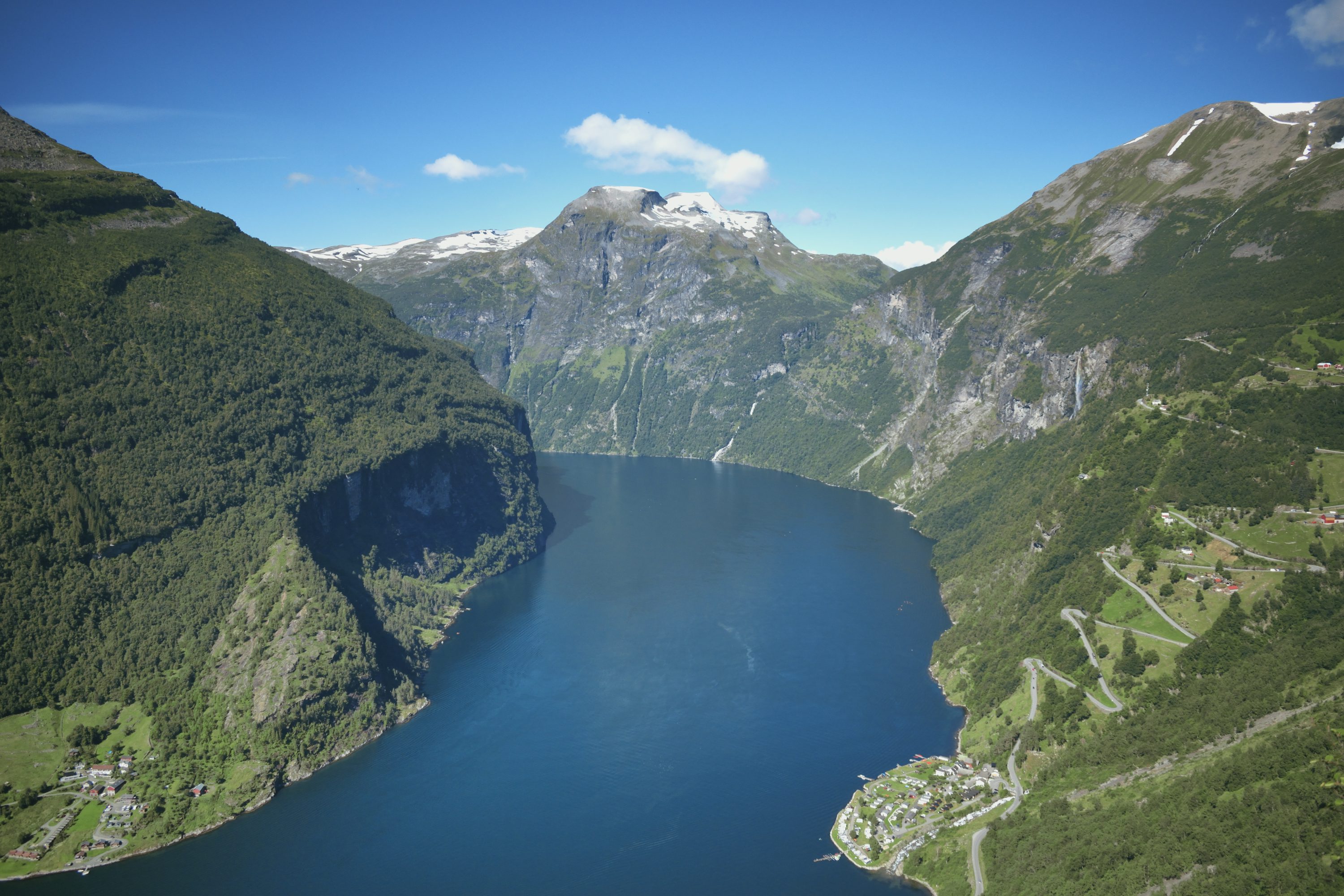
Norway is easiest to plan when the route gives you time for both the major viewpoints and the travel between them. This 10-day itinerary starts in Stavanger for Preikestolen and Lysefjord, continues through Bergen and Flåm, then follows the fjords toward Geiranger and Ålesund. It is a good fit for a first Norway trip focused on scenery, short city stays, one major hike, and a mix of rail, ferry, road, and flight connections.
Use the free 10-day Norway itinerary Google Sheets template to adapt the route for your own dates, flights, hotels, hikes, ferries, restaurants, and costs. The article explains what each area is known for and how the days fit together, while the template gives you a reusable place to make the route your own. For a broader planning framework, see the Google Sheets travel planner template.

Itinerary Outline
For a first 10-day trip through fjord country, this route follows:
- Days 1-3: Stavanger, with the harbor, Old Stavanger, Preikestolen, and Lysefjord
- Days 4-5: Bergen, with Bryggen, the harbor, Mount Fløyen, and museums or neighborhood walks
- Day 6: Flåm, reached by rail or a fjord connection, with the Flåm Railway and village waterfront
- Days 7-8: Geiranger, with a long transfer day, a fjord cruise or ferry, and a viewpoint such as Dalsnibba
- Days 9-10: Ålesund, with the Trollstigen option, Mount Aksla, Art Nouveau streets, and departure
This is a fjord-focused route rather than a complete Norway itinerary. It does not try to include Oslo, Lofoten, or the North Cape. The route works best with an open-jaw flight into Stavanger and out of Ålesund, or with an extra night near your final departure airport if your flights require it.
What the Norway itinerary template includes
The template is populated with a realistic sample trip using August dates, but you can replace those dates with your own. It includes:
- Scheduled stops for Stavanger, Preikestolen, Lysefjord, Bergen, Flåm, Geiranger, Trollstigen, and Ålesund
- Unscheduled ideas to consider, including Kjerag, Trolltunga, a Nærøyfjord cruise, Loen Skylift, Borgund Stave Church, Romsdalseggen, Runde, Hardangerfjord, and a Lofoten extension
- Official and contextual links for hikes, scenic routes, rail, ferries, airports, viewpoints, and attractions
- A Norway-focused packing list and pre-trip checklist
- A shared-cost tracker with illustrative examples for lodging, ferries, transport, meals, and activities
- Space for your own flight details, lodging, ferry reservations, restaurants, weather notes, and booking links
Use the free template as a starting point, then update the itinerary after checking current transport schedules, seasonal road openings, hike conditions, attraction hours, and weather for your dates.
Best time for this Norway itinerary
June through August is the simplest period for this route. Days are long, the main hiking season is underway, and the scenic roads, ferries, and mountain viewpoints generally have the widest range of services. Summer is also the busiest period, so reserve popular lodging, transport, and activities earlier than you might for a city break. Visit Norway's fjord guidance notes that summer is the peak season for the fjords and that many travelers reserve ahead.
May and September can be good shoulder-season choices if you prefer fewer visitors and are comfortable with more variable weather and a narrower range of transport or activity schedules. Some high roads and hiking routes can be affected by snow or early-season conditions, so verify the current status before committing to a long hike or scenic drive.
Winter changes the character of the trip. Cities and fjord viewpoints are still possible, but the long hikes, mountain roads, and some boat connections need much more careful checking. Treat any winter itinerary as a separate plan rather than simply moving these summer dates onto a colder calendar.
Day 1: Arrive in Stavanger and settle into the harbor
Stavanger is a comfortable starting point because the center is compact and it gives you access to both city walks and Lysefjord excursions. Stay near Vågen harbor or in the center if you want restaurants, ferry connections, and Old Stavanger within walking distance. A base near the train station can be practical if you are arriving by rail or leaving early for another connection.
After check-in, walk around Vågen and Gamle Stavanger. The harbor is the center of the city's restaurant and waterfront life, while Gamle Stavanger is known for its collection of white wooden houses on quiet, sloping streets. The Petroleum Museum is a worthwhile alternative if you want context about Norway's offshore industry and Stavanger's modern economy.
Keep the first evening close to the center. The next day can start early if you are hiking Preikestolen, and the ferry or bus connection to the trailhead may determine the rest of the day.
Day 2: Hike Preikestolen above Lysefjord
Preikestolen, also called Pulpit Rock, is the signature day trip from Stavanger. The cliff rises above Lysefjord, and the destination is the broad, nearly flat rock ledge at the end of the trail rather than a viewpoint you reach by vehicle. Visit Norway describes the hike as about 8 kilometers round trip with roughly four hours of walking time and an elevation of 604 meters.
The trail includes rocky sections, steps, and changes in elevation. Give yourself room for photo stops, slower sections, and the return walk. Start early if you want a quieter trail or are traveling in the busiest summer weeks. Wear shoes suitable for uneven ground, bring water, and check the current trail and weather guidance before you go.
If a full hike does not suit your group, take a Lysefjord sightseeing cruise instead or use the day for a shorter Stavanger activity. A cruise gives you a different perspective on the steep walls and waterfalls of the fjord without turning the day into a strenuous hike. It can also be a useful choice when weather makes the summit view uncertain.

Day 3: Lysefjord, Stavanger neighborhoods, or a second outdoor day
Use the third day to match the rest of your trip to your interests. A Lysefjord cruise is the natural choice if you hiked Preikestolen on Day 2 and want to see the same landscape from the water. Look for a current departure that fits your next day's travel plans and allow time to reach the pier.
Back in Stavanger, the harbor and Old Stavanger are easy to revisit at a slower pace. The colorful streets around Fargegaten are known for cafes, independent shops, and evening dining, while the cathedral and waterfront give you a compact introduction to the city's older center. A short walk along the waterfront can be enough for an afternoon before dinner.
Kjerag is the more demanding hiking alternative. Its boulder and high mountain setting are very different from Preikestolen, but the hike is longer and more exposed to seasonal conditions. Visit Norway lists Kjerag as an 11-kilometer route that can take six to ten hours. Add it only after checking the current trail status and making sure the transport plan leaves enough time.
Day 4: Travel to Bergen and explore Bryggen
Travel from Stavanger to Bergen by flight, express boat, or another current connection that fits your dates. The boat is attractive when you want the journey itself to be part of the trip, while a flight may be easier when you need more time in Bergen or have a tight onward reservation. Check the current operator timetable before choosing the route.
Base yourself near the harbor, Bryggen, Nordnes, or the central station. The harbor and Bryggen put historic sights, restaurants, and boat departures close together. Nordnes is quieter and has a neighborhood feel, while the station area can simplify rail connections for the next leg.
Spend the afternoon around Bryggen, Bergen's row of colorful historic buildings along the harbor. The area is known for its Hanseatic trading history, narrow passages, galleries, and waterfront setting. Walk through the lanes behind the main facades, then continue toward the fish market and harborfront. The Visit Bergen visitor site is useful for current museum, attraction, and transport information.

Day 5: Mount Fløyen, museums, and Bergen neighborhoods
Take the Fløibanen funicular or walk toward Mount Fløyen for a view over Bergen, the harbor, and the surrounding hills. The summit area has walking paths and viewpoints, so allow more time than the ride itself if you want to continue into the forest or choose a longer walk back into town.
For a museum-focused afternoon, choose KODE's art museums or the Bergenhus Fortress area. KODE works well when you want art and design in a central setting. The fortress and nearby harbor offer more history and outdoor walking. Another option is a slower walk through Nordnes, where older houses, small streets, and the waterfront create a change of pace from the central harbor.
Bergen is also a useful place to keep the schedule flexible. Rain is common enough that an indoor museum or food-focused afternoon can be a better fit than committing every hour to an outdoor viewpoint.
Day 6: Continue to Flåm by rail or fjord connection
Flåm is a small village at the end of Aurlandsfjord, and it is best treated as a scenic base rather than a city with a long list of attractions. Travel from Bergen by a current rail-and-connection itinerary or by a fjord route. The exact combination depends on seasonal schedules, so confirm the departure times before booking your Flåm lodging.
The Flåm Railway is known for its steep climb between Flåm and Myrdal, with views of the valley, waterfalls, and mountain farms. A Nærøyfjord cruise is another major option, with narrow fjord scenery and small settlements along the water. You can include both if the timetable works, but one well-planned experience is better than fitting both around a rushed transfer.
Walk along the Flåm waterfront after settling in. The village is compact, and the surrounding mountains appear quickly as you move away from the station and harbor. A short local walk or a relaxed meal makes sense here because the following day begins the longer journey toward Geiranger.
Day 7: Stegastein and the long transfer to Geiranger
This is the route's longest transfer day, so check the exact transport plan before treating Stegastein and Geiranger as fixed appointments. The Stegastein viewpoint projects above Aurlandsfjord and gives you a high view over the water and valley. It is a strong addition when you are driving or using a connection that naturally passes through Aurland.
Continue toward Geiranger by the current road, ferry, or combination of connections that fits the season. Travel from Flåm to Geiranger takes most of the day, with time needed for weather, loading, stops, and a late arrival. If the connection feels too tight, spend an additional night around Aurland or reduce the number of bases rather than turning the whole day into a series of missed connections.
Geiranger is known for the steep walls and waterfalls of Geirangerfjord. The village is small, so lodging location matters less than whether the property fits your transport and departure plans. Settle in and walk the waterfront if you arrive with daylight left.
Day 8: See Geirangerfjord from the water and above the valley
Use a current sightseeing boat or ferry connection to see Geirangerfjord from the water. The fjord is the main reason to stay in the area: steep mountains rise directly from the water, waterfalls descend from hanging valleys, and farms sit on ledges that are easier to appreciate from a boat than from the road. Visit Norway's Geirangerfjord guidance is a useful place to confirm current activities and access information.
Add a viewpoint such as Dalsnibba if the road is open and the weather gives you a clear view. The higher viewpoints can be cold and cloudy even when the village is sunny, so keep the order flexible. A fjord cruise and a high road viewpoint show different sides of the area: one follows the water and waterfalls, while the other makes the scale of the valley easier to see.
If you prefer a quieter day, stay closer to the village and choose a shorter walk or a slower boat trip. Geiranger can feel full when cruise traffic is present and peaceful once the larger groups leave, so your timing can change the experience as much as the attraction list.

Day 9: Trollstigen option and Ålesund
Travel toward Ålesund through the Trollstigen area only after checking current road conditions and opening information. Trollstigen is a dramatic mountain road with hairpin turns and viewpoints over the valley. Visit Norway notes that the scenic route is usually open from around mid-May into autumn, but weather and road conditions can change the opening date or cause short-notice closures.
If the road is open and your transport plan works, allow time for the Trollstigen viewpoints along the way. If it is closed or the connection is not practical, use a more direct route to Ålesund and keep the afternoon for the city.
Ålesund is known for its Art Nouveau architecture, waterfront setting, and views across the surrounding islands. Climb Mount Aksla for a wide panorama over the town and water, then spend time walking the central streets and harbor. The city is a good final base because it offers a more urban evening after several days of fjords and mountain roads.

Day 10: Ålesund morning and departure
Keep the final morning close to your departure point. Walk the harbor, revisit a street or cafe you noticed the day before, or visit Atlanterhavsparken if its hours and location fit the flight. The aquarium focuses on Atlantic marine life and works well when you want an indoor stop before traveling.
If you are continuing elsewhere in Norway, Ålesund also works as a handoff point for Sunnmøre, Runde, or a longer route north. If you are flying home, give yourself a generous airport buffer and check the current transport connection from the center.
Where to stay along the route
Stavanger
Stay near Vågen, the city center, or the train station. Vågen and the center are easiest for restaurants and evening walks. The station area can help with early connections, while a harbor base keeps the first days focused on the waterfront and Old Stavanger.
Bergen
The harbor and Bryggen are convenient for first-time sightseeing, museums, and boat departures. Nordnes gives you a quieter neighborhood setting, and the central station area is useful when your next leg begins by train. Bergen's hills make location noticeable, so check the walk to your lodging with luggage.
Flåm
Choose lodging near the station and waterfront if you are using the Flåm Railway, a fjord cruise, or a morning connection. Flåm is compact, but availability is limited in the busiest months, so reserve early if you want to stay overnight rather than pass through.
Geiranger
Stay close to the village, ferry landing, or the road connection that matches your transport plan. Choose lodging based on how easily you can reach your boat, viewpoint, or next transfer.
Ålesund
Central Ålesund is the most useful base for a short final stay. It puts the Art Nouveau center, harbor, Mount Aksla, restaurants, and airport connections within a manageable area.
Transport and booking notes
An open-jaw flight into Stavanger and out of Ålesund keeps the route moving in one direction. If flights make that expensive or impractical, compare a return flight from Bergen or Oslo before committing to the final fjord segment. The best route depends on the current air, rail, ferry, and road schedules for your dates.
Book these parts first:
- International flights and the open-jaw route
- Stavanger, Bergen, Flåm, Geiranger, and Ålesund lodging
- Preikestolen transport or a Lysefjord cruise
- Bergen-to-Flåm rail or fjord connections
- Fjord cruises, ferries, and any limited-capacity activities
- A rental car or private transfer if the Flåm-to-Geiranger and Trollstigen portions depend on driving
Then confirm the details closer to travel: hiking conditions, scenic-route openings, ferry times, viewpoint access, attraction hours, and weather-sensitive activity policies. Entur is useful for checking public transport connections in Norway, while Visit Norway's regional pages help with current destination planning.
For more help organizing multiple bases and transfers, see the multi-city trip planning guide.
Optional Norway itinerary ideas
The template keeps these options on the main itinerary so you can compare them with the core route:
- Kjerag: a longer Lysefjord hike with a high mountain setting and a different scale from Preikestolen; choose it when the group wants a full hiking day
- Trolltunga: a demanding Hardangerfjord-area hike with a long time commitment; treat it as a dedicated excursion rather than a casual stop between bases
- Nærøyfjord: a narrow fjord cruise from the Flåm area, with steep walls and small settlements along the water
- Loen Skylift: a cable car and mountain viewpoint above Nordfjord, useful if you want a high panorama without adding another major hike
- Borgund Stave Church: a preserved medieval wooden church that fits naturally with a road route through the Sognefjord region
- Romsdalseggen: a demanding ridge hike near Åndalsnes, best for a longer trip with time to check trail conditions
- Runde: a coastal island known for seabirds and walking trails, better as an extension from Ålesund than a quick detour
- Hardangerfjord: an alternative fjord region with orchards, waterfalls, and access to the Trolltunga area
- Lofoten: a separate northern extension with fishing villages, beaches, and mountain scenery; add it only with several extra days and a new flight plan
How Travel Mapper helps with a Norway trip
The free template keeps flights, hotels, hikes, ferries, viewpoints, restaurants, costs, and checklists together in Google Sheets. With Travel Mapper, you can see the itinerary on a map inside Google Sheets and compare how Stavanger, Bergen, Flåm, Geiranger, and Ålesund fit together before you book.
That map context is useful for Norway because the route combines cities, trailheads, ferry landings, scenic roads, and small fjord settlements. Drag-and-drop itinerary editing helps you fine-tune the order of a day, and Google Maps autofill helps add place details to the sheet. The Travel Mapper Chrome extension can also add a hotel, restaurant, viewpoint, or activity to the itinerary while you research it on another webpage.
During the full-feature trial, Travel Mapper also supports itinerary email and Google My Maps export. After the trial, you can continue using the basic Google Sheets template for free. If you want to review or edit the trip from your phone while traveling, the Travel Mapper web app works in a mobile browser.
Norway itinerary FAQ
Is 10 days enough for Norway?
Ten days is enough for a focused first route through Stavanger, Bergen, Flåm, Geiranger, and Ålesund. It is not enough to combine this fjord route with Oslo, Lofoten, and northern Norway without turning the trip into a sequence of long transfers. Add days before adding more regions.
Should I rent a car for this Norway itinerary?
A car can make the Flåm-to-Geiranger and Trollstigen portions more flexible, especially when you want scenic viewpoints or smaller stops. It also adds rental logistics, road conditions, parking, ferry planning, and the responsibility of driving mountain roads. A public-transport version is possible for the main cities and fjord connections, but confirm each seasonal segment before booking.
Do I need to hike Preikestolen?
No. Preikestolen is a strong match for travelers who want a substantial viewpoint hike, but a Lysefjord cruise, Stavanger neighborhood day, or shorter walk can fit better if the group has different abilities or the weather is poor. Choose the hike or fjord activity that best matches your group and the weather.
Is Flåm worth an overnight stay?
An overnight stay makes sense when you want to ride the Flåm Railway, take a Nærøyfjord cruise, or slow down between Bergen and the next fjord base. If your transport schedule only allows a short stop, it can also work as a day visit, but the village has limited lodging and dining compared with Bergen.
When should I book Norway lodging and ferries?
Book summer lodging, popular hikes or cruises, and the less-frequent transport segments before the rest of the itinerary. Keep checking schedules and conditions as the trip approaches because mountain roads, ferry routes, and weather-sensitive activities can change.
Can I use this as a Norway trip budget template?
Yes. The sheet includes a shared-cost tracker for lodging, flights, ferries, transfers, attraction tickets, meals, and other group expenses. The example rows show useful categories rather than current trip prices, so replace them with costs from your own bookings.
Get the free Norway itinerary template
Make a copy of the 10-day Norway itinerary Google Sheets template, then update it with your flights, hotels, hikes, ferries, viewpoints, restaurants, and optional ideas. Use the template for free, and try Travel Mapper when you want to see your Norway itinerary on a map inside Google Sheets.