
10 Day South Korea Itinerary: Seoul, Gyeongju, Busan & Jeju Google Sheets Template
Matt - July 29, 2026
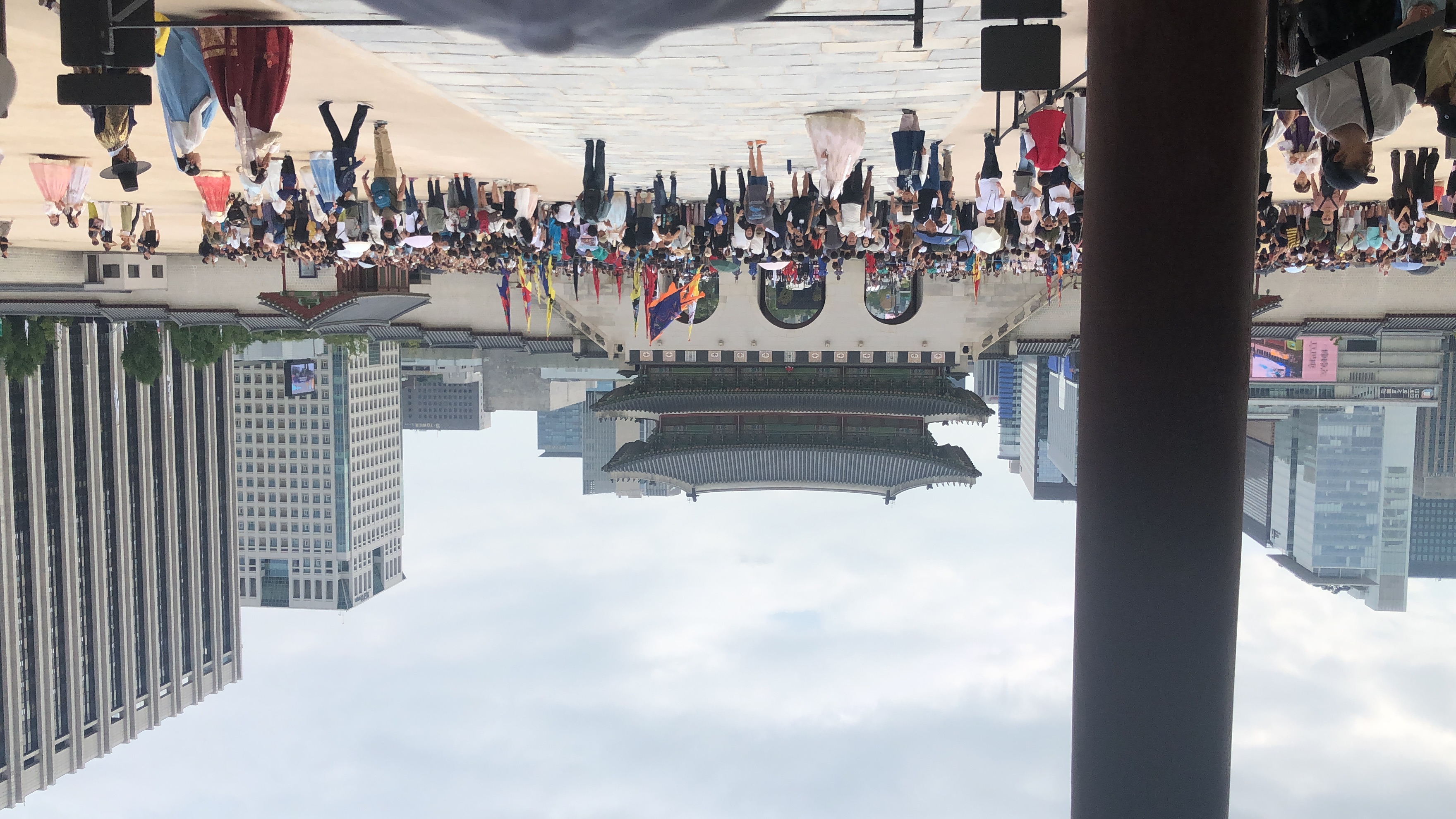
South Korea is easy to enjoy as a multi-city trip because each stop offers something different. Seoul brings royal palaces, neighborhood food, markets, and late-night energy. Gyeongju adds Silla history and temple landscapes. Busan combines beaches, seafood markets, hillside neighborhoods, and coastal sights. Jeju finishes the trip with volcanic scenery, cliffs, and a slower island pace.
This 10-day South Korea itinerary follows that route: three nights in Seoul, two nights in Gyeongju, three nights in Busan, and two nights in Jeju. It is a good fit for a first trip that wants city life, cultural sites, food, and varied scenery across four distinct bases.
For a ready-to-edit version, copy the free South Korea itinerary Google Sheets template. It includes hotels, sightseeing, food, KTX and flight transfers, optional stops, a packing checklist, and shared-cost examples. The screenshot below shows the itinerary with Travel Mapper map view open. If you are planning another multi-city trip, start with the free Google Sheets travel planner template.

Itinerary Outline
This route gives each region enough time to feel distinct while keeping the number of hotel changes manageable:
- Days 1-3: Seoul, with Gyeongbokgung, Bukchon, Changdeokgung, Gwangjang Market, Namsan, Myeongdong, Hongdae, and a choice of neighborhoods for evenings
- Days 4-5: Gyeongju, with royal tombs, Hwangnidan-gil, Woljeonggyo, Bulguksa, and either Seokguram or the Gyeongju National Museum
- Days 6-8: Busan, with Haedong Yonggungsa, Haeundae, Gamcheon Culture Village, Jagalchi, Nampo, and a flexible coastal day
- Days 9-10: Jeju, with Seogwipo, Jusangjeolli, Seongsan Ilchulbong, Seopjikoji, and a final island morning
Each stop has a different focus: Gyeongju for history, Busan as a coastal city base, and Jeju for island landscapes. If you prefer a slower trip, Jeju is the easiest place to extend and Gyeongju is the easiest place to shorten.
Best time and pacing for this South Korea itinerary
Spring and autumn are especially appealing for this route. Spring brings blossoms and comfortable walking conditions, while autumn adds foliage to palace grounds, temple areas, and Gyeongju's historic landscapes. The Korea Tourism Organization's current seasonal information is a useful starting point, but check local forecasts close to your dates.
Summer can be hot, humid, and rainy, with conditions varying between the mainland and Jeju. Leave flexibility around exposed viewpoints, coastal walks, and the Jeju portion of the trip. Winter is a good season for city sightseeing and quieter temple visits, but it can be cold, especially on windy coasts and in Jeju. Pack layers and check the conditions for any mountain or outdoor activity before setting a fixed plan.
Ten days is enough for this route because the major transfers are limited to a KTX journey from Seoul to Gyeongju, ground travel between Gyeongju and Busan, and a domestic flight from Busan to Jeju. The transfer days still take time, so keep the first hours in each new city open for check-in and an easy nearby activity.
Days 1-3: Seoul
Seoul rewards a neighborhood-based plan. The historic center around Jongno, Gyeongbokgung, Bukchon, Insadong, and Changdeokgung makes sense as one group. Myeongdong and Namsan work well together, while Hongdae, Mangwon, and the Han River make a separate western Seoul day.
Day 1: Arrive in Seoul and explore a nearby neighborhood
Choose a base near Jongno, Myeongdong, or another subway-connected area. Jongno puts palace grounds, Bukchon, Insadong, and traditional markets within easy reach. Myeongdong is convenient for shopping, food, and connections to Namsan. Hongdae gives you a livelier evening scene and an easy airport connection, though it is farther from the historic sights.
Keep the first afternoon close to the hotel. Walk through the surrounding streets, find a casual first meal, and use the evening for a neighborhood that does not require a cross-city transfer. Insadong is known for traditional craft shops, tea houses, galleries, and streets that connect naturally toward Ikseon-dong. Ikseon-dong has narrow lanes filled with renovated hanok cafes and restaurants, so it is a good choice when you want an easy first evening with plenty of options.
If you arrive late or are tired from the flight, leave the evening open. Seoul has enough food and shopping in almost every central neighborhood that the first day does not need a landmark reservation.
Day 2: Gyeongbokgung, Bukchon, and Insadong
Start at Gyeongbokgung Palace, the largest of Seoul's Joseon-era palace complexes. The grounds include ceremonial courtyards, gates, halls, and landscaped areas that are worth exploring beyond the main photo spots. Allow time for the scale of the complex, and check the current opening days and admission guidance before you choose a start time.
From the palace, continue toward Bukchon Hanok Village. Bukchon is a residential area known for traditional hanok homes, narrow sloping lanes, small galleries, and views over the city. Bukchon is a residential neighborhood as well as a walking district, so follow current local visitor guidance and keep the visit focused on public streets and designated viewpoints.
Finish the afternoon around Insadong. Browse ceramics, paper goods, art, and small craft stores, then choose a tea house or meal in Insadong or Ikseon-dong. These areas are close on the map but have different atmospheres: Insadong feels more connected to traditional arts and galleries, while Ikseon-dong is denser with cafes, restaurants, and evening activity.
Day 3: Changdeokgung, markets, and modern Seoul
Visit Changdeokgung Palace in the morning. Its palace buildings and landscaped garden have a quieter, more layered feel than Gyeongbokgung, and the Secret Garden is a major reason to check current admission and tour arrangements in advance. Leave enough time for the garden visit if it is part of your plan.
Continue to Gwangjang Market for lunch. The market is a practical place to sample several Korean dishes in one stop, with food stalls and a lively covered-market atmosphere. After lunch, walk toward Jongmyo Shrine or Cheonggyecheon Stream. Jongmyo adds another historical setting, while Cheonggyecheon provides an easy urban walk through central Seoul.
For the evening, choose the area that best matches your interests and dinner plans. Namsan Seoul Tower gives you a city viewpoint and a walk through the park; Myeongdong and Namdaemun are convenient for shopping and food; Hongdae and Mangwon are better for independent shops, cafes, music, and a younger evening scene. The best choice depends on where you are staying and whether you want a viewpoint, shopping, or neighborhood dining.
Days 4-5: Gyeongju
Gyeongju is a useful contrast to Seoul. The center is shaped by Silla-era tombs, temple sites, traditional streets, and low-rise historic areas rather than a single dense downtown. Staying near Hwangnidan-gil or Daereungwon makes the central sights easy to reach on foot, while staying near the station can simplify the next transfer.
Day 4: KTX to Gyeongju and the historic center
Take the KTX from Seoul to Gyeongju, then transfer to your lodging. Check the current KORAIL schedule and allow time for the station-to-center transfer; Gyeongju Station and the historic center are not the same place.
Start with the Daereungwon Tomb Complex, where large grassy burial mounds sit within a central park. The tombs are one of the clearest ways to see how Gyeongju's historic landscape differs from Seoul's palace districts. Continue to Cheomseongdae Observatory and the surrounding open fields, then walk through Hwangnidan-gil for cafes, local restaurants, design shops, and renovated traditional buildings.
In the evening, visit Woljeonggyo Bridge and Gyochon Traditional Village. Woljeonggyo is especially attractive after dark when the bridge is illuminated, while Gyochon gives you a quieter look at traditional houses and village lanes. Keep the walk flexible because Gyeongju's central sights are close enough to connect, but the open areas can feel tiring after the morning train journey.
Day 5: Bulguksa, Seokguram, or the Gyeongju National Museum
Spend the morning at Bulguksa Temple, one of Gyeongju's major Buddhist heritage sites. The temple is known for its raised stone terraces, colorful wooden halls, and Dabotap and Seokgatap pagodas. The grounds reward a slower visit because the details are spread across gates, stairways, courtyards, and halls rather than concentrated in one viewpoint.
If you want a second mountain site, continue to Seokguram Grotto. It is associated with Bulguksa but requires separate travel and a different kind of visit. Check current access and transport before building both into the same morning. Travelers who prefer a less transfer-heavy day can return to central Gyeongju for the Gyeongju National Museum, which gives more context for the Silla objects and sites seen around the city.
Have dinner back near Hwangnidan-gil or the historic center. Gyeongju's food scene includes local specialties as well as cafes and modern restaurants, so it is easy to make the second evening feel different from the first without changing bases.

Days 6-8: Busan
Busan is spread across bays, beaches, hills, markets, and port neighborhoods. Haeundae is a convenient base for the east-coast sights and beach walks. Seomyeon is central for subway connections and dining. Nampo puts Jagalchi Market, BIFF Square, Yongdusan Park, and the old port area within easy reach. Busan's sights are spread across the city, so choose the base that best matches your priorities.
Day 6: Travel to Busan and settle into Haeundae
Travel from Gyeongju to Busan after breakfast. The route is short compared with the earlier KTX transfer, but your arrival station, hotel location, and luggage will still shape the afternoon.
Use the first day for Haeundae Beach and Dongbaekseom. Haeundae is Busan's best-known urban beach, with a broad waterfront, hotels, restaurants, and a city skyline behind the sand. Dongbaekseom is a connected coastal park with walking paths, rocky shore views, trees, and the Nurimaru APEC House area. Together they make a good introduction to Busan because the beach, park, and city scenery fit into one manageable area.
Have dinner in Haeundae or Gwangalli. Gwangalli adds a different evening view across the water toward Gwangan Bridge, but traffic and the cross-city transfer make it better as a deliberate evening choice than an automatic add-on.
Day 7: Haedong Yonggungsa and Busan's east coast
Start at Haedong Yonggungsa Temple, a coastal Buddhist temple built beside the water. The approach includes stairs, statues, courtyards, and views across the rocky shoreline. Its setting is the reason to include it: the temple buildings, ocean, and cliffs create a very different experience from Bulguksa's inland mountain setting.
Continue to Haeundae or the nearby coastal area for lunch and a slower afternoon. The Blue Line Park route is another option when you want ocean views from a rail or capsule experience, but check current tickets, departure points, and queue conditions before deciding how tightly to schedule it. If you would rather have a quieter day, stay around Haeundae, walk the shoreline, and use the afternoon for cafes or the Busan Museum of Art area.
Day 8: Gamcheon, Jagalchi, Nampo, and a flexible coastal option
Explore Gamcheon Culture Village in the morning. The hillside neighborhood is known for colorful houses, steep lanes, murals, small galleries, and viewpoints over the surrounding slopes. It is a walking visit with stairs and uneven sections, so allow time to move slowly and explore the side streets and viewpoints.
Continue to Jagalchi Market and BIFF Square. Jagalchi is Busan's signature seafood market, while BIFF Square adds street food, shopping, and cinema history. Walk through Nampo and Yongdusan Park if you want a dense city afternoon with port views and older commercial streets.
For an alternate final day, choose Taejongdae Resort Park or Oryukdo Skywalk instead. Taejongdae is a coastal park with forest roads, cliffs, and viewpoints at the southern edge of the city. Oryukdo offers a shorter coastal stop and works better when you want to keep more time for Nampo or Seomyeon. Pick one based on the weather and where you want dinner.

Days 9-10: Jeju
Jeju changes the rhythm of the itinerary. The island is larger than it looks on a map, and the best base depends on which side you want to explore. Seogwipo is convenient for southern waterfalls, cliffs, markets, and the eastern route. Jeju City is better for airport access and northern beaches. For this two-day version, stay in Seogwipo and keep the route focused on the south and east.
Day 9: Fly to Jeju and explore the south coast
Fly from Busan to Jeju and transfer to Seogwipo. A rental car gives you more control over the southern and eastern stops, while taxis or a guided day can work if you prefer not to drive. Check current traffic, weather, and operating conditions before planning a full island loop.
Begin around Jusangjeolli, where volcanic rock columns form a distinctive shoreline pattern. Continue to Cheonjiyeon Waterfall or another nearby coastal stop, then explore Seogwipo Maeil Olle Market for snacks, seafood, local products, and an easy dinner. These stops fit together because they stay in the southern part of the island and give you a mix of geology, water, and local food without a long cross-island drive.
If the weather is poor, spend more time around the market, cafes, museums, or indoor attractions in Seogwipo. Jeju's coastal scenery depends heavily on visibility and wind, so it is useful to have a nearby alternative.
Day 10: Seongsan, Seopjikoji, and departure
Start toward Seongsan Ilchulbong, the volcanic tuff cone on Jeju's eastern coast. It is known for its crater, coastal cliffs, and broad views across the surrounding sea and villages. The climb includes steps and elevation, so check the current access guidance and allow time for the ascent, viewpoints, and descent.
Continue to Seopjikoji for a coastal walk with open grassland, volcanic shoreline, and views across the water. Seongeup Folk Village is a meaningful alternative when you prefer a look at traditional Jeju homes and village life rather than another coastal viewpoint. If you have an early flight, shorten this day and stay closer to the airport the night before.
Leave enough time for the airport transfer and any rental-car return. Jeju is the part of this itinerary most affected by weather and traffic, so it is better to enjoy two or three eastern stops than to promise yourself a complete island circuit in one day.

Photo: Korea.net / Korean Culture and Information Service via Wikimedia Commons, licensed CC BY-SA 2.0.
Where to stay along the route
Seoul
Jongno is the best fit for palace grounds, Bukchon, Insadong, and traditional neighborhoods. Myeongdong is convenient for shopping, restaurants, and transit. Hongdae works well for nightlife, cafes, music, and airport access, but it adds travel time to the historic center.
Gyeongju
Stay near Hwangnidan-gil or Daereungwon for evening walks, cafes, and the central historic sights. The station area can be useful for a short stop with an early onward train, but it is less convenient for walking to the main sites.
Busan
Haeundae is a good base for the beach, Dongbaekseom, Haedong Yonggungsa, and the east coast. Seomyeon is a central choice for restaurants and subway connections. Nampo is best when Jagalchi, BIFF Square, Yongdusan, and the old port districts are the main focus.
Jeju
Seogwipo suits a short southern and eastern route. Jeju City reduces the airport transfer and works better for the north, but it makes the southern coast a longer excursion. If your trip includes Hallasan or the west coast, add time or choose a different base to keep those transfer days manageable.
Transport and booking logistics
Book the long connections and limited-capacity activities first:
- International flights and the Busan-to-Jeju domestic flight
- Seoul, Gyeongju, Busan, and Jeju lodging
- Seoul-to-Gyeongju KTX tickets for your preferred departure time
- Palace gardens, coastal rail or capsule experiences, and other timed attractions if current rules require advance booking
- Jeju rental car, airport transfer, or a private day tour if you will not drive
Use Korean city and regional transport information close to the trip because schedules, ticketing, weather, and access arrangements can change. South Korea's mapping and navigation environment also differs from what many North American travelers expect. Google Maps can be useful for saving places, but local navigation apps and official attraction pages may have better current directions and transport details.
For more help organizing multiple bases, transfers, and booking links, see the multi-city trip planning guide. You can also compare this route with the Japan itinerary, Portugal itinerary, Greece itinerary, and Croatia itinerary.
Optional South Korea itinerary ideas
These alternatives are included on the main itinerary tab so you can compare them with the scheduled route:
- DMZ day trip from Seoul: a guided border-region visit for travelers interested in the modern history and division of the Korean Peninsula; check current eligibility and access rules
- Suwon Hwaseong Fortress: a strong Seoul-area swap for fortress walls, gates, and a different historic setting without adding another hotel
- Yangdong Folk Village: a Gyeongju-area alternative for traditional houses and a quieter village landscape
- Gyeongju National Museum: more context for Silla history when you prefer museum time to Seokguram's mountain transfer
- Taejongdae Resort Park: Busan coastal cliffs, forest paths, and viewpoints instead of a second beach-focused day
- Oryukdo Skywalk: a shorter Busan coastal stop that fits when you want more time in Nampo or Seomyeon
- Hallasan: a Jeju mountain day for hikers who have the right conditions, equipment, and enough time; check current trail access before planning it
- Udo Island: an eastern Jeju day trip with beaches, coastal roads, and island scenery; confirm ferry schedules and wind conditions
- Jeju west coast: a separate route with beaches, parks, and volcanic landscapes that is better as an alternative to the south-and-east plan
What the South Korea Google Sheets itinerary template includes
The public sheet is populated with the Seoul, Gyeongju, Busan, and Jeju route above, plus location details, links, notes, categories, and illustrative costs. Every option stays on the main Itinerary tab. Scheduled rows have dates and times; unscheduled ideas use blank date and time cells so they remain available while you decide how they fit the trip.
The template also includes:
- A South Korea-focused packing and pre-trip checklist for changing weather, comfortable walking, palace visits, coastal days, domestic flights, and Jeju conditions
- A shared-cost sheet with categories for lodging, KTX, flights, local transport, meals, entrance fees, activities, and other group expenses
- Space for your hotel confirmations, restaurant research, transport links, notes, and booking details
- Specific location text for places such as Gyeongbokgung, Bulguksa, Haedong Yonggungsa, and Seongsan Ilchulbong so map searches are more likely to land on the intended stop
Use the free South Korea itinerary template as a starting point, then update the dates and choices after checking current local guidance, weather, opening hours, transport schedules, and ticket requirements.
How Travel Mapper helps with a South Korea trip
The free Google Sheets planner keeps hotels, palace visits, markets, meals, KTX tickets, flights, coastal sights, costs, packing, and notes in one place. With the Travel Mapper Google Sheets add-on, you can see the itinerary on a map inside Google Sheets and review how Seoul, Gyeongju, Busan, and Jeju fit together before finalizing the order.
That map context is useful here because this route combines dense Seoul neighborhoods, a separate Gyeongju historic area, Busan's spread-out coast, and an island with its own driving and weather considerations. Drag-and-drop itinerary editing makes it easier to fine-tune the order of stops within a day. Google Maps autofill helps add place details to the sheet, and the Travel Mapper Chrome extension can add a restaurant, hotel, activity, or viewpoint while you research it on another webpage.
During the full-feature trial, the add-on also supports itinerary email and Google My Maps export. After the trial, you can continue using the basic Google Sheets template for free. If you want to review or edit the trip from your phone while traveling, the Travel Mapper web app works in a mobile browser.
South Korea itinerary FAQ
Is 10 days enough for South Korea?
Ten days is enough for a first trip that combines Seoul, Gyeongju, Busan, and Jeju when you are comfortable with two major transfers and a domestic flight. It gives you a useful mix of city, history, coast, and island scenery. Add days before adding another major region.
What is the best South Korea itinerary for a first trip?
Seoul, Gyeongju, Busan, and Jeju make a balanced first route. Seoul provides the largest range of neighborhoods and cultural sights, Gyeongju adds concentrated Silla history, Busan brings coastal city life, and Jeju changes the scenery at the end of the trip.
Should I visit Jeju on a 10-day South Korea trip?
Jeju is worth including if you want volcanic landscapes, coastal viewpoints, and an island portion. It adds a domestic flight and more transport planning, so travelers who prefer a slower mainland trip can use those two days for more time in Seoul or Busan instead.
How do I travel between Seoul, Gyeongju, and Busan?
The KTX is the natural long-distance connection from Seoul toward Gyeongju and Busan, followed by local transport to each hotel. Gyeongju and Busan are close enough to connect by train or bus, but check the exact station and arrival point for your lodging. Use current schedules when booking.
Do I need a car in Jeju?
A rental car makes it easier to connect southern and eastern Jeju stops in a short visit. Taxis, private transfers, and guided day tours can also work if you do not want to drive. Choose the transport method after deciding which side of the island you want to visit and check current road, weather, and parking conditions.
Can I use the South Korea itinerary template without Travel Mapper?
Yes. The Google Sheets itinerary template is free to copy and use. Travel Mapper is the optional Google Sheets upgrade for travelers who want map view, drag-and-drop itinerary editing, Google Maps autofill, itinerary email, or Google My Maps export while planning a multi-city trip.