
10-Day Turkey Itinerary: Istanbul, Cappadocia & Ephesus + Free Google Sheets Template
Matt - July 23, 2026
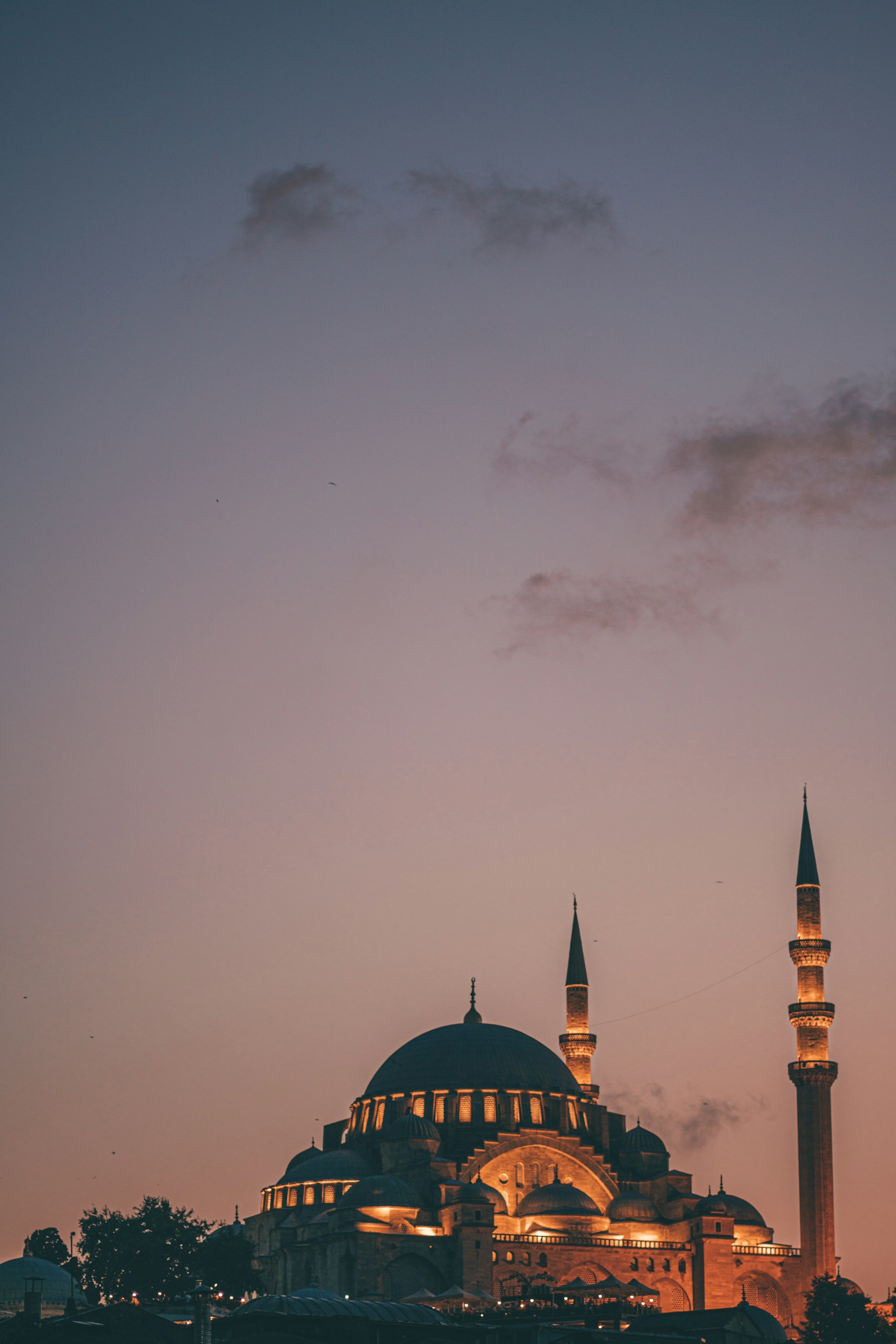
Turkey is a rewarding first trip when you give each region enough time to feel distinct. This 10-day route starts with Istanbul's historic neighborhoods and markets, continues to Cappadocia for valleys and rock-cut sites, and ends around Selçuk for Ephesus and the Aegean coast. It uses two domestic flight connections to connect three distinct regions in a practical 10-day route.
Use the free 10-day Turkey itinerary Google Sheets template to adapt the route for your own dates, flights, hotels, tours, restaurant ideas, and costs. The article below explains what to do in each place, while the template gives you a reusable way to organize the details. For a broader planning framework, see the Google Sheets travel planner template.
Itinerary Outline
For a first 10-day trip, this Turkey itinerary follows:
- Days 1-3: Istanbul, with Sultanahmet, the Grand Bazaar, the Bosphorus, and Galata/Karaköy
- Days 4-6: Cappadocia, based in Göreme, with valleys, viewpoints, cave churches, and an optional balloon flight
- Days 7-9: Selçuk and the Aegean, with Ephesus, Şirince, and optional Kuşadası or another nearby stop
- Day 10: A final morning near Selçuk or Izmir, then departure
The route is easiest with an open-jaw flight into Istanbul and out of Izmir, or with a return flight from Istanbul after adding an evening connection. If you are flying home from Istanbul, leave a full buffer for the final domestic flight rather than scheduling an international departure immediately after arriving from the Aegean coast.
What the Turkey itinerary template includes
The template is populated with a realistic sample trip using October dates, but you can replace those dates with your own. It includes:
- Scheduled stops for Istanbul, Cappadocia, Selçuk, Ephesus, and the Aegean coast
- Unscheduled ideas to consider, including Pamukkale and Hierapolis, the Princes' Islands, Dolmabahçe Palace, Bursa, Ihlara Valley, Antalya, Kaş, and Pergamon
- Official and contextual links for museums, airports, airlines, and major attractions
- A Turkey-focused packing list and pre-trip checklist
- A shared-cost tracker with illustrative examples for transfers, meals, attraction tickets, and a day tour
- Space for your own hotels, restaurants, flights, balloon operator, booking links, and notes
Use the free template as the starting point, then update the route after checking current flight schedules, museum hours, attraction entry rules, balloon availability, and local transport for your dates.

Best time for this Turkey itinerary
April through May and September through October are strong periods for this route. Istanbul is generally comfortable for walking, Cappadocia has good conditions for exploring outdoors, and the Aegean coast remains pleasant for ruins and town visits. Spring can bring cooler or wetter days, while October evenings in Cappadocia and Selçuk may feel chilly.
June through August brings long days and warm weather, but Istanbul sightseeing and Cappadocia walks can be hot in the afternoon. If you travel in midsummer, plan outdoor sites earlier in the day and leave flexible time around a balloon flight or other weather-dependent activity.
Winter has a different appeal. Istanbul's museums and food scene still work well, and Cappadocia can be beautiful after snow, but balloon flights, road conditions, and some seasonal services are more weather-sensitive. Check current conditions and build flexibility into the Cappadocia portion.
Day 1: Arrive in Istanbul and settle into Sultanahmet
Stay in Sultanahmet if seeing the main historic monuments is the priority. The area makes it easy to reach Hagia Sophia, the Blue Mosque, the Basilica Cistern, Topkapı Palace, and the Grand Bazaar on foot. Karaköy, Galata, and Beyoğlu are better bases if you want more restaurants, evening energy, and a neighborhood feel, but they require more transit for the first day's sights.
After check-in, take a gentle walk around Sultanahmet Square. The Blue Mosque is known for its six minarets, İznik tiles, and large interior prayer space, while the square itself makes it easy to see how the Ottoman and Byzantine landmarks sit close together. Check current visiting guidance and dress requirements before going inside, especially around prayer times.
The Basilica Cistern is an atmospheric underground reservoir with rows of columns, low lighting, and walkways over the water. It is a good late-afternoon stop because it offers a cooler, slower change of pace after time in the square. Reserve or check the current entry process before visiting; arrival queues and hours can change.
For dinner, stay close to your hotel on the first night. Sultanahmet has restaurants aimed at visitors, while nearby Sirkeci and Eminönü offer more choices if you want to walk toward the waterfront. Keep the evening light if you have arrived from North America or another long-haul origin.
Day 2: Hagia Sophia, Topkapı Palace, and the Grand Bazaar
Start with Hagia Sophia and plan enough time for the building's layered history. It began as a Byzantine cathedral, became an imperial mosque, served as a museum for part of the twentieth century, and is now a functioning mosque with visitor access subject to current rules. Its scale, dome, mosaics, marble surfaces, and changing religious use are central to what makes the building significant. Check the current visitor route and access guidance before your visit.
Continue to Topkapı Palace, the Ottoman court complex on the tip of the historic peninsula. The palace is more than a single grand room: courtyards, gardens, kitchens, treasury collections, religious objects, and views toward the Bosphorus each show a different side of court life. Allow several hours if you want the main collections rather than a quick look at the first courtyard. The Turkish Museums portal is the best place to confirm current museum information and ticket details.
After lunch, walk toward the Grand Bazaar through the streets around Beyazıt. The covered market is known for jewelry, carpets, ceramics, leather goods, lamps, textiles, and the experience of moving through a dense network of lanes. Browse the market at your own pace; prices, quality, and negotiation vary by item and seller.
If you still have energy, visit the Suleymaniye Mosque area for a broader view over the Golden Horn. The mosque complex is quieter than Sultanahmet and the surrounding streets lead toward small restaurants and tea stops. Return to your hotel or choose dinner around Karaköy if you want a change from the historic peninsula.
Day 3: Spice Bazaar, the Bosphorus, and Galata or Karaköy
Begin in Eminönü with the Spice Bazaar. The market is associated with spices, dried fruit, Turkish delight, nuts, tea, and food gifts, but the surrounding neighborhood is also useful for seeing the working waterfront and ferry connections. Walk outside the covered market toward the Galata Bridge, where fishermen, ferries, restaurants, and views of the Golden Horn come together.
Use the afternoon for a Bosphorus experience. A public ferry is the simplest option if the timetable suits your day; a short cruise or longer scheduled ride can add more sightseeing without requiring you to cross the city between every stop. The Bosphorus is the part of Istanbul where the route's geography becomes visible: European and Asian neighborhoods, waterfront palaces, wooded hills, bridges, and smaller ferry docks all line the strait.
After the water, explore Galata Tower, İstiklal Avenue, or Karaköy. Galata has steep streets, independent shops, cafes, and a dense mix of historic buildings. Karaköy is convenient for dinner and the waterfront, while İstiklal is livelier and more commercial. Choose the area that best matches your interests and evening plans.
If you want a quieter alternative to another central neighborhood, replace part of the afternoon with a ferry to Kadıköy on the Asian side. The market, food streets, and waterfront give you a different view of Istanbul, though the timing depends on the current ferry schedule and your evening flight to Cappadocia the next day.
Day 4: Fly to Cappadocia and explore Göreme
For Cappadocia, use either Kayseri or Nevşehir airport based on the flight schedule and transfer price that fit your trip. Kayseri is farther from Göreme but often has more flight options; Nevşehir is closer to the central tourist bases. Arrange your airport transfer before departure and allow time for the drive after landing.
Base yourself in Göreme if you want easy access to restaurants, tour operators, viewpoints, and local transport. Uçhisar offers a quieter setting and wide views from its castle area, while Ürgüp has a more town-like feel and can work well if you prefer a broader hotel selection. Each base changes the balance between atmosphere, transfers, and access to the main valleys.
After check-in, walk through Göreme and climb to the sunset viewpoint if conditions are clear. The town is surrounded by tuff rock formations shaped into cones, ridges, and cave dwellings. The viewpoint is useful on the first afternoon because it gives you a quick sense of the valley layout before a longer walk the following days.
Uçhisar Castle is a strong alternative if you want a higher panorama. Its rooms and passages were carved into the rock, and the summit looks across the surrounding valleys toward Mount Erciyes on clear days. Visit near sunset only if the timing works with your hotel transfer and dinner plans; the light changes quickly and the villages require road transport between them.

Day 5: Cappadocia valleys and the Göreme Open-Air Museum
Spend the morning around the Göreme Open-Air Museum, a group of rock-cut churches and monastic spaces known for their Byzantine frescoes. The paintings and interiors are the main reason to visit, while the surrounding paths show how religious communities used the natural rock formations. Go early if possible, especially in the warmer months, and check current entry guidance through the Turkish Museums portal.
After the museum, choose one valley walk and give yourself time for its paths and viewpoints. Rose Valley and Red Valley have unusual rock formations, vineyard landscapes, and changing colors that are especially attractive late in the day. Pigeon Valley connects Göreme and Uçhisar through a landscape of cliffs and pigeon houses, with views toward Uçhisar Castle. Love Valley is known for its tall, narrow rock formations and several viewpoints along the rim.
You can walk independently on well-used sections, but a local guide is useful when you want a longer route, help with trail choices, or context about cave churches and village agriculture. Carry water, use sun protection, and confirm the current condition of any trail after rain or severe weather.
For dinner, try a restaurant in Göreme or Uçhisar that serves regional dishes such as testi kebab. The dish is traditionally cooked in a sealed clay pot and opened at the table, but availability and preparation vary by restaurant. Reserve ahead if it is a specific part of the evening you want to include.
Day 6: Balloon option, Pasabağı, Zelve, and an underground city
If a hot-air balloon flight is important to you, place it on this morning and keep the rest of the day flexible. Flights are weather-dependent, and cancellations or rescheduling can happen, so avoid putting a nonrefundable transfer immediately afterward. Choose an operator carefully, confirm the meeting point and current safety information, and follow the provider's instructions for the morning pickup.
The afternoon can focus on the northern Cappadocia sites. Pasabağı, also called Monks Valley, is known for its distinctive multi-headed fairy chimneys and former hermit spaces carved into the rock. Nearby Zelve is an open-air archaeological site with cave houses, churches, tunnels, and a broader view of how people lived in the valleys before the area was abandoned as a settlement. The two sites fit naturally together, but give yourself enough time to walk beyond the first viewpoint.
If you prefer underground spaces, visit Kaymaklı or Derinkuyu instead. These underground cities contain descending levels of rooms, storage spaces, ventilation shafts, and passageways built for refuge and daily life. Narrow sections can feel uncomfortable if you dislike enclosed spaces, and the two sites have different layouts, so choose one and give it enough time to explore.
Avanos is another worthwhile option for the same afternoon. The town is associated with pottery made from local red clay and sits along the Kızılırmak River. A pottery workshop, river walk, or slower lunch there gives the day a more local and craft-focused rhythm than another viewpoint.
Day 7: Fly to Selçuk and settle into the Aegean coast
Fly from Kayseri or Nevşehir to Izmir, usually with a connection depending on the current schedule, then continue to Selçuk. Check whether the flight lands at Izmir Adnan Menderes Airport and compare the train, taxi, shuttle, or private transfer options for your arrival time. Selçuk is the most convenient base for Ephesus, while Kuşadası offers a larger waterfront resort setting and more evening activity.
After check-in, use the afternoon for Selçuk itself. The town is close to the Ephesus archaeological site and has a compact center, cafes, shops, and the remains of the Basilica of Saint John. The Selçuk Castle viewpoint gives you a sense of the valley and the position of the ancient city, though opening access can change.
Şirince makes a good alternative if you prefer a village afternoon. The hillside settlement is known for stone houses, narrow lanes, fruit wines, olive oil, and small shops. It is a short drive from Selçuk, but the experience is more about walking, tasting, and taking in the landscape than checking off a long attraction list. Return to Selçuk for an early dinner so you can visit Ephesus before the heat and crowds build.
Day 8: Ephesus and the Terrace Houses
Visit Ephesus early. The ancient city is known for its long marble streets, the Library of Celsus, the Great Theatre, the Temple of Hadrian, public fountains, and the scale of its urban remains. It was a major port and regional center in antiquity, and the surviving buildings make it easier to imagine public life than a site where only isolated ruins remain.
Enter through the upper gate if you want to walk downhill through the main sequence of monuments. Allow at least half a day for the archaeological site, longer if you want to read the exhibits and see the side streets. The official Turkish Museums listing is the place to verify current hours, tickets, and access rules.
Add the Terrace Houses if you are interested in domestic life, mosaics, frescoes, and how wealthy homes were arranged. They are a separate paid section within the Ephesus visit and are worth the extra time when you want more detail than the monumental streets provide. The library and theatre show the public face of the city; the Terrace Houses show how some residents used and decorated private spaces.

After Ephesus, choose the Temple of Artemis or the Basilica of Saint John. The Temple of Artemis survives mostly through foundations and scattered remains, but it helps explain the religious importance of the area and is close to Selçuk. Saint John's Basilica has larger architectural remains and views toward the surrounding plain. If you want a beach and harbor evening instead, continue to Kuşadası for the waterfront, restaurants, and a change of scenery.
Day 9: Şirince, Kuşadası, or a second Aegean day
Use the final full day to choose the part of the region that best fits your interests.
Şirince is the relaxed option. Spend time walking its steep lanes, looking at local produce and crafts, and having lunch with views over the surrounding hills. It is a good match for travelers who want a slower village day after the large archaeological site.
Kuşadası is the waterfront option. The town has a harbor, promenade, beaches, restaurants, and access to Güvercinada, a small island fortress connected by a causeway. It can be busier and more resort-oriented than Selçuk, but that is part of its appeal when you want a day that is less focused on ruins.
Pamukkale and Hierapolis are the major extension option, but they are better with an additional night or a very deliberate transport plan. Pamukkale is known for white travertine terraces and thermal pools, while Hierapolis adds a large ancient theater, necropolis, and other Roman remains on the plateau. The sites are impressive but require more travel from Selçuk than the core route, so add them when the natural terraces and Roman ruins are a higher priority than a slower Aegean day.

Other longer-trip options in the template include Pergamon, Antalya, Kaş, the Princes' Islands, Bursa, and Ihlara Valley. They are useful to consider when you extend the trip, but they should not all be added to a 10-day route.
Day 10: Final morning and departure
Keep the last morning close to your departure point. In Selçuk, that could mean a relaxed breakfast, a final walk through the center, or a second look at a site you missed. In Kuşadası, use the waterfront before transferring to Izmir Airport.
If your international flight leaves from Istanbul, return to Istanbul the evening before. A same-day domestic connection can work when the schedules leave a generous buffer. Give this transfer extra time at the end of a long trip.
Where to stay along the route
Istanbul
Sultanahmet is convenient for first-time sightseeing and early access to the historic peninsula. Karaköy and Galata have more restaurants, shops, and evening options, with a short tram, funicular, ferry, or walk to many major sites. Beyoğlu gives you a livelier central base but can be noisier and hillier.
Cappadocia
Göreme is the easiest choice for a first visit because tours, restaurants, viewpoints, and transfers are close together. Uçhisar has a quieter atmosphere and excellent views, while Ürgüp offers a broader town setting and can be useful when the hotel or restaurant matters more than being in the center of the tourist route.
Selçuk or Kuşadası
Selçuk is best for Ephesus, Şirince, and a practical archaeological-focused trip. Kuşadası is better for a larger waterfront selection, resort facilities, and an evening by the sea. Choose based on whether the final two days are about nearby history and villages or a coastal base.
Transport and booking notes
An open-jaw flight into Istanbul and out of Izmir is the cleanest version of this itinerary. Otherwise, plan an extra Istanbul night at the end. Use current airline and airport schedules when choosing the Cappadocia airports and the Izmir connection.
Book these parts first:
- International flights and the open-jaw route
- Istanbul, Cappadocia, and Selçuk or Kuşadası lodging
- Domestic flights and airport transfers
- Cappadocia balloon flight or guided tour, if important to your trip
- Ephesus and other timed or limited-capacity experiences when required
Then confirm the smaller details closer to travel: museum hours, ferry or cruise schedules, trail conditions, airport transfer pickup points, and weather-sensitive activities. For more help organizing several bases and transfers, see the multi-city trip planning guide.
Optional Turkey itinerary ideas
The template keeps these choices on the main itinerary so you can compare them with the core route:
- Pamukkale and Hierapolis: white travertine terraces, thermal pools, and a substantial Roman archaeological site; best with extra time or a carefully planned transfer
- Pergamon: an important ancient city with a dramatic hilltop theater and acropolis near Bergama
- Antalya: Mediterranean beaches, an attractive old harbor, and a useful base for a longer southwest-coast trip
- Kaş: a smaller coastal town known for swimming, boat trips, diving, and a relaxed waterfront
- Princes' Islands: a ferry-accessible escape from Istanbul with car-free streets and a slower island day
- Bursa: Ottoman architecture, markets, thermal baths, and access to the slopes of Uludağ
- Ihlara Valley: a long canyon walk with rock-cut churches and greener scenery in central Cappadocia
How Travel Mapper helps with a Turkey trip
The free template keeps flights, hotels, attractions, tours, restaurants, costs, and checklists together in Google Sheets. With Travel Mapper, you can see the itinerary on a map inside Google Sheets and compare how Istanbul, Cappadocia, and the Aegean stops fit together before you book.
That map context is useful here because the trip combines historic neighborhoods, airport transfers, cave-valley sites, and a long archaeological day. Drag-and-drop itinerary editing makes it easier to fine-tune the order of a day, and Google Maps autofill helps add place details to the sheet. The Travel Mapper Chrome extension can also add a hotel, restaurant, museum, or activity to the itinerary while you research it on another webpage.
During the full-feature trial, Travel Mapper also supports itinerary email and Google My Maps export. After the trial, you can continue using the basic Google Sheets template for free. If you want to review or edit the trip from your phone while traveling, the Travel Mapper web app works in a mobile browser.
Turkey itinerary FAQ
Is 10 days enough for Turkey?
Ten days is enough for a focused first trip covering Istanbul, Cappadocia, and the Ephesus area. It is not enough to see every major region. Adding Antalya, the Turquoise Coast, Pamukkale, or the Black Sea usually means removing time from one of the three core bases or extending the trip.
Should I visit Pamukkale on this Turkey itinerary?
Pamukkale is worth considering if white travertine terraces and Roman ruins are high on your list. It is not the most natural addition to this 10-day route from Selçuk without extra travel, so consider adding a night or replacing the final Aegean day rather than squeezing it between major transfers.
How many days should I spend in Istanbul?
Three full days gives a first-time visitor time for Sultanahmet, Topkapı Palace, the bazaars, the Bosphorus, and one neighborhood beyond the historic peninsula. Add a fourth day if you want both the Asian side and more museums, palaces, or food-focused time.
Is Cappadocia worth visiting without a balloon flight?
Yes. The valleys, rock-cut churches, viewpoints, underground cities, and village landscapes make Cappadocia worthwhile even if you do not fly. A balloon flight is weather-dependent and is one possible way to experience the landscape, not the only reason to include the region.
Should I stay in Göreme or Uçhisar?
Göreme is convenient for a first visit because it has the largest concentration of restaurants, tours, viewpoints, and transfers. Uçhisar is quieter and has wide views from the castle area. Choose based on whether you want to be close to the center or prefer a calmer hotel setting.
Can I use this as a Turkey trip budget template?
Yes. The sheet includes a shared-cost tracker for lodging, flights, transfers, attraction tickets, tours, meals, and other group expenses. The example rows are illustrative categories, so replace them with current costs from your own bookings.
Get the free Turkey itinerary template
Make a copy of the 10-day Turkey itinerary Google Sheets template, then update it with your flights, hotels, attractions, restaurants, tours, and optional ideas. Use the template for free, and try Travel Mapper when you want to see your Turkey itinerary on a map inside Google Sheets.