
7 Day Croatia Itinerary: Zagreb to Dubrovnik Google Sheets Template
Matt - July 15, 2026
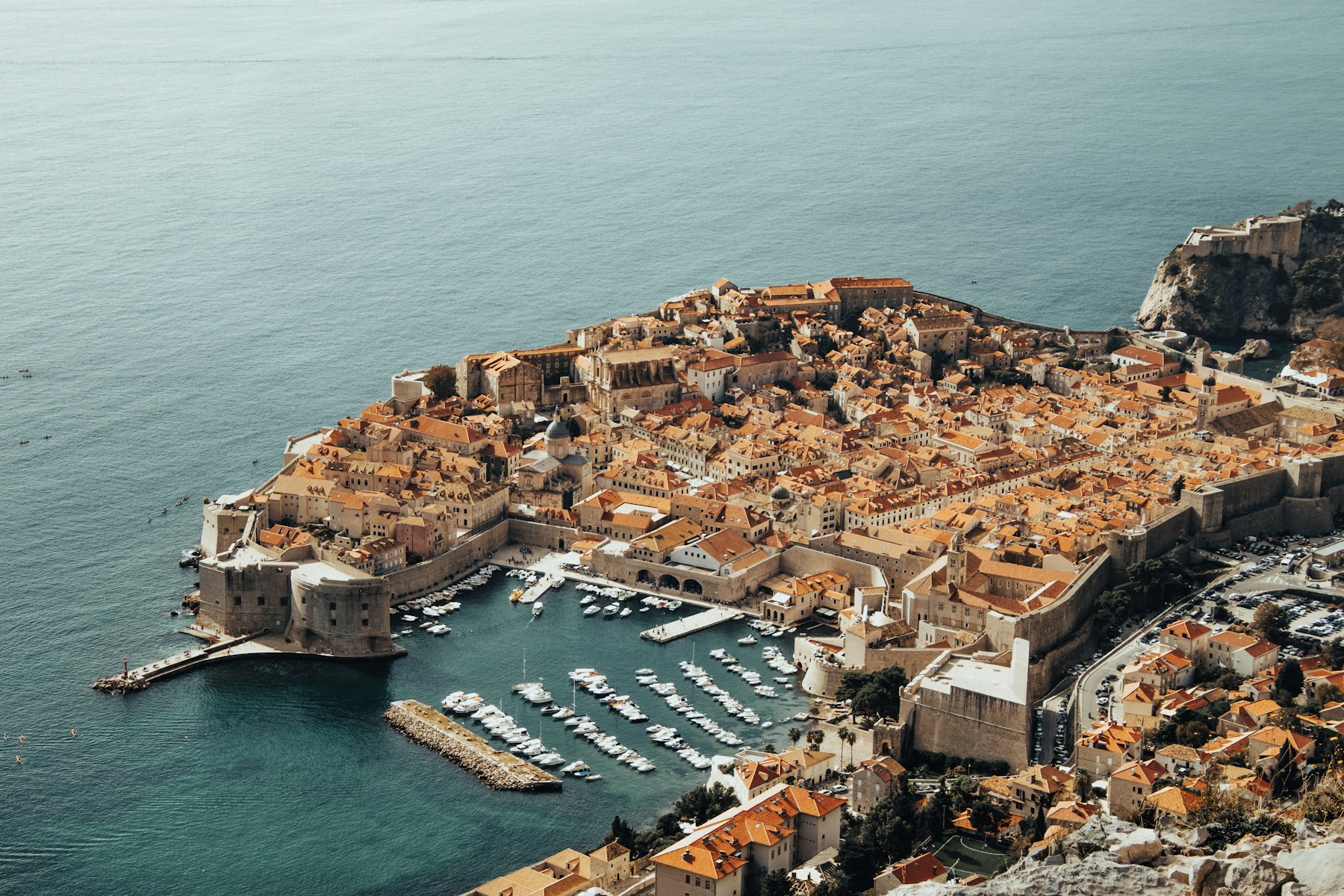
A first trip to Croatia can combine historic cities, a national park, an island day, and the Adriatic coast in one week, but the order matters. This route starts in Zagreb, continues through Plitvice Lakes, and then moves south to Split, Hvar, and Dubrovnik. It works best with an open-jaw flight into Zagreb and out of Dubrovnik, plus a carefully planned transfer day at Plitvice.
Use the free 7 day Croatia itinerary Google Sheets template to adapt the route for your own flights, lodging, ferry times, and interests. The template also includes a slower coast-only alternative if you would rather spend more time around Split, the islands, and Dubrovnik. For a broader planning framework, see the Google Sheets travel planner template.

Itinerary Outline
For a fast-paced first visit, this 7 day Croatia itinerary follows:
- Day 1: Zagreb
- Day 2: Plitvice Lakes and transfer to Split
- Day 3: Split
- Day 4: Hvar day trip from Split
- Day 5: Split to Dubrovnik
- Day 6: Dubrovnik Old Town and city walls
- Day 7: Lokrum or a final Dubrovnik morning, then departure
This version gives you a broad introduction to the country, from Zagreb's cafe and market culture to Plitvice's lakes and waterfalls, Split's Roman center, Hvar's harbor and island views, and Dubrovnik's walled Old Town. It is a busy week, so travelers who care most about the coast may prefer to skip Zagreb and Plitvice and divide the same seven days between Split, an island, and Dubrovnik.
What the Croatia itinerary template includes
The template is filled with a realistic sample trip that you can adjust for your own travel dates. It includes:
- Scheduled stops for Zagreb, Plitvice Lakes, Split, Hvar, and Dubrovnik
- Unscheduled ideas to consider, including Trogir, Krka National Park, Brac, Stari Grad, Korcula, Mljet, Ston, and additional museums and beaches
- Current official links for Plitvice tickets, ferry planning, tourism information, and major attractions
- A Croatia-focused packing list and pre-trip checklist
- A shared-cost tracker for lodging, transport, tickets, ferries, and meals
- Space for your own hotels, restaurants, tours, booking links, and notes
The sample dates use September, when the coast is still lively and warm but the peak of summer has passed. Change the route to match your flights, then confirm current ferry schedules, park entry times, attraction hours, and seasonal services before booking.
Best time for this Croatia itinerary
Late May, June, September, and early October are especially good for this route. The coast is active, ferry service is generally useful for island visits, and walking around Split, Hvar, and Dubrovnik is often more comfortable than in the hottest part of summer.
July and August bring the widest range of coastal services and the warmest beach weather, along with higher lodging demand, busier ferries, and more visitors at Plitvice and Dubrovnik. If you travel then, reserve the most important lodging, ferries, and timed attractions earlier and plan outdoor sightseeing for the morning or later afternoon.
Spring and fall weather can change quickly, especially around Plitvice and on the water. Island boat service also varies by season and operator. Check the current timetable for the exact day you plan to travel, since seasonal routes can change.
Day 1: Arrive in Zagreb
Zagreb makes a pleasant first day because its central sights are compact and the city feels different from the Dalmatian coast you will reach later. Stay around the Lower Town, Ban Jelacic Square, or near the main rail station if you want an easy arrival and a simple start the next morning.
Begin at Ban Jelacic Square, then walk up to Dolac Market. The market has supplied the city with produce, flowers, cheese, meat, and other local goods since 1930, and the red umbrellas make it one of the most recognizable everyday scenes in Zagreb. Morning is the liveliest time, but an afternoon visit still helps you understand how the main square, market, cathedral area, and Upper Town connect.
Continue toward Stone Gate and St. Mark's Square. The Upper Town is the older civic center, with narrow streets, government buildings, small museums, and viewpoints over the tiled roofs of the Lower Town. The Zagreb Tourist Board provides a useful overview of the central districts and their history.
For dinner, Tkalciceva Street is an easy first-night choice. Its pedestrian stretch is lined with cafes and restaurants, and it keeps you close to the center if jet lag or a delayed arrival shortens the day. If you have extra time, the Museum of Broken Relationships is an unusual small museum near the Upper Town funicular and works well before dinner.
Day 2: Plitvice Lakes and transfer to Split
Plitvice is the most logistically demanding day of this itinerary and one of its most memorable. The national park is known for a chain of turquoise and green lakes connected by waterfalls, forest paths, and wooden boardwalks. The landscape changes with water levels, light, weather, and season, so the experience is less about one viewpoint and more about moving through several lake levels.

Buy your ticket through the official Plitvice Lakes price and ticket page and choose the entrance and arrival time that fit your transfer plan. The park's published lake programs range from shorter walks to routes that take roughly four to six hours. Applicable programs include the park's electric boat and panorama vehicle as transport within the park, alongside the walking sections.
For this route, leave Zagreb early and plan about half a day inside the park before continuing to Split. A private transfer is the easiest way to manage luggage and the onward journey. Bus-based versions can work, but only when the current schedules line up and you have confirmed where bags can be stored during the visit. The official lake tour program descriptions help you choose a route that fits your available time.
Wear shoes with good grip and bring a light rain layer even when the broader forecast looks clear. Boardwalks and paths can be wet, and weather around the lakes can feel cooler than on the coast. After the visit, continue to Split and check in near the Old Town, Veli Varos, or Bacvice.
Day 3: Split and Diocletian's Palace
Split's historic center grew in and around Diocletian's Palace, a Roman imperial complex that became part of the living city rather than remaining a separate archaeological site. Today, homes, cafes, shops, churches, and small squares sit inside and beside the palace walls.

Start around the Peristyle, the ceremonial courtyard at the center of the palace. From there, explore the Cathedral of Saint Domnius area, the palace cellars, and the lanes leading toward the Golden Gate and Pazar market. The cellars are especially useful for seeing the original palace footprint because their layout mirrors parts of the former imperial apartments above.
By midday, walk out to the Riva promenade for lunch or coffee. The waterfront is one of Split's main gathering places, with views toward the harbor and ferries that connect the city to nearby islands. The Split Tourist Board is a good source for current museums, events, and city information.
Spend the afternoon around Veli Varos or Marjan. Veli Varos has older stone houses and narrow streets just west of the palace. Marjan Forest Park adds pine-shaded paths, small chapels, swimming coves, and viewpoints back toward the city. You do not need to reach the far end of the peninsula for a worthwhile visit; the first viewpoints above Veli Varos already give you a strong sense of Split's position between the mountains and sea.
For dinner, look for a traditional konoba or a restaurant serving Dalmatian seafood, grilled fish, octopus, or peka when it is available. Peka usually needs to be ordered in advance, so check with the restaurant before building your evening around it.
Day 4: Hvar day trip from Split
Hvar Town works well as a day trip when you want an island experience without changing hotels. Reserve a morning catamaran from Split and a return departure that leaves enough time for the town, Fortica, lunch, and the waterfront. The official Jadrolinija Split-Hvar page publishes current sailing information, and the Hvar Tourist Board transport page also links the main ferry operators serving the island.

Hvar's main square, St. Stephen's Square, opens toward the harbor and is one of the largest historic squares in Dalmatia. Around it, you will find the cathedral, the Arsenal and historic theater, stone lanes, cafes, and the waterfront promenade. The town is compact enough to explore on foot, though many streets climb away from the harbor.
Walk up to Fortica, the fortress above town, for the best overview of Hvar's geography. From the walls and terraces, you can look down across the old roofs and harbor toward the Pakleni Islands. The climb is steady but scenic, passing through older streets and gardens. Check the current Hvar cultural-site hours before your visit.
After lunch, choose between more town time, a beach or swimming stop, or a short boat outing if the timing and weather are right. If you are more interested in a quieter harbor town and ancient agricultural landscapes, Stari Grad is a good alternative, but it needs a different transport plan from a simple Hvar Town day trip.
Ferry timetables can change and weather can disrupt service, so check the operator notice again shortly before travel. Return to Split for the night.
Day 5: Split to Dubrovnik
Travel south to Dubrovnik in the morning. A direct bus is usually the simplest choice for this one-week route, while a private transfer gives you more control over timing and luggage. Compare current departures with your Split checkout and Dubrovnik check-in before deciding.
Stay in or near the Old Town if you want the main sights just outside your door, but expect steps, pedestrian-only lanes, and higher prices. Pile is convenient for Old Town access and bus connections. Lapad has more modern hotels, beaches, and waterfront restaurants, with a local bus ride into the historic center. Gruz is practical for the main bus station and harbor.
Use the afternoon to get oriented around Pile Gate, Stradun, Luza Square, and the Old Port. Stradun is the broad limestone main street through the Old Town, while the side lanes lead to churches, small squares, residential streets, and staircases climbing toward the walls.
If the sky is clear, Mount Srd gives you a wide view over the city, Lokrum, and the coast. Check the Dubrovnik Cable Car for current operating information. Lapad is a relaxed alternative for a waterfront walk and dinner after the transfer.
Day 6: Dubrovnik city walls and Old Town
Walk the city walls early in the day. The circuit gives you changing views over terracotta roofs, church domes, courtyards, the Old Port, Fort Lovrijenac, and the Adriatic. There are stairs and exposed sections, so morning is usually more comfortable in warm weather. Tickets and current visitor information are available through the official Dubrovnik city walls shop.

After the walls, choose a few Old Town interiors based on your interests. Rector's Palace covers the political and cultural history of the former Dubrovnik Republic. The Franciscan Monastery is known for its cloister and historic pharmacy, while the cathedral, Sponza Palace area, and maritime exhibits add different parts of the city's story. The Dubrovnik Pass may be useful when your preferred sites are included, so compare its current coverage with individual tickets.
Leave time for the city beyond its headline sights. The Old Port is attractive in the late afternoon, and the lanes on either side of Stradun become quieter as you move away from the main route. For dinner, stay in the Old Town for atmosphere or return to Lapad for more waterfront choices.
Day 7: Lokrum or a final Dubrovnik morning
If your flight leaves later in the day and boats are running, Lokrum is a rewarding final half-day. The island is a protected nature reserve just offshore from the Old Port, with wooded paths, rocky swimming areas, gardens, peacocks, and the remains of a Benedictine monastery. Boats are seasonal and may stop in poor weather, so check the current Lokrum information and sailing status that morning.
If Lokrum does not fit your departure time, spend the morning around the Old Port, Pile, or Lapad. This is also a good chance to revisit the walls area for photos, stop at a museum you skipped, or have a quieter breakfast before heading to the airport.
Dubrovnik Airport is outside the city, so choose an airport bus, taxi, transfer, or rental-car return plan that gives you enough time for traffic, bags, and check-in.
Where to stay along the route
Zagreb
The Lower Town and Ban Jelacic Square area are best for a short first visit because you can walk to Dolac Market, the Upper Town, restaurants, and many tram connections. Staying near the main train station can help with onward transport, though the immediate area is less atmospheric than the central squares.
Split
The Old Town is most convenient for palace sightseeing and an early ferry. Veli Varos has character and remains close to the center. Bacvice works well for travelers who want beach access and a straightforward walk to the palace and port.
Dubrovnik
Choose Old Town or Pile for maximum sightseeing convenience, Lapad for beaches and a more relaxed hotel base, or Gruz for bus and harbor logistics. Check the exact walking route to your lodging because Dubrovnik's hills and staircases can make two nearby addresses feel very different with luggage.
Transport and booking notes
An open-jaw flight into Zagreb and out of Dubrovnik keeps this itinerary moving in one direction. If your flights begin and end in the same city, add enough time for the return journey or simplify the route.
You do not need a rental car for the core version. Zagreb, Split, and Dubrovnik are walkable in their central areas, and intercity buses and ferries cover the main transfers. A private transfer is particularly helpful on the Plitvice day because it makes luggage and the onward journey to Split easier to coordinate.
Book the following first:
- Flights and the open-jaw route
- Lodging in Zagreb, Split, and Dubrovnik
- Plitvice entrance time and transfer plan
- Split-Hvar and Hvar-Split ferry departures
- High-priority Dubrovnik tickets or passes
Then confirm the smaller details closer to travel: ferry notices, weather, seasonal boat service, museum hours, and your airport transfer. For more help organizing a route with several bases, see the multi-city trip planning guide.
Optional Croatia itinerary ideas
The template also includes additional places you can consider for your trip:
- Trogir: a compact UNESCO-listed old town near Split with stone lanes, a waterfront promenade, and a cathedral complex
- Krka National Park: a river and waterfall landscape north of Split that works as a day trip when you skip Hvar or add a night
- Brac and Bol: an island alternative for Zlatni Rat, villages, and a different ferry experience
- Stari Grad: a quieter Hvar base near the UNESCO-listed Stari Grad Plain
- Korcula: a walled island town that works well as an overnight on a longer Split-to-Dubrovnik route
- Mljet: a forested island and national park suited to travelers adding time for lakes, walking, and a slower coastal day
- Ston and Peljesac: a mainland extension known for historic walls, salt pans, oysters, and wine country
- Zadar and Sibenik: useful northern-coast additions for a longer trip that does not need to reach Dubrovnik in one week
For a slower coast-only week, spend three nights around Split, one or two nights on Hvar or another island, and two or three nights in Dubrovnik. This version gives you more beach time and fewer transfers while keeping the strongest Dalmatian highlights.
How Travel Mapper helps with a Croatia trip
The free template keeps your dates, lodging, ferry links, tickets, activities, costs, and checklists together in Google Sheets. When you use Travel Mapper, you can see the itinerary on a map inside Google Sheets and compare how your stops are grouped before you book the trip.
That map view is useful in Croatia because the trip combines inland transfers, walkable historic centers, a ferry day, and several possible lodging bases. Drag-and-drop itinerary editing makes it easier to fine-tune the order of a day, and Google Maps autofill helps add place details to the sheet. Travel Mapper also includes itinerary email and Google My Maps export during the 7 day full-feature trial. After the trial, you can continue using the basic Google Sheets template for free.
The Travel Mapper Chrome extension can add places to your itinerary while you research hotels, restaurants, beaches, parks, and attractions on other websites. Those ideas can stay available in the itinerary until you decide which ones fit your final trip.
Croatia itinerary FAQ
Is 7 days enough for Croatia?
Seven days is enough for a focused first trip, but not for every major region. The Zagreb-Plitvice-Split-Hvar-Dubrovnik route gives you variety at a faster pace. For more time on the coast, skip Zagreb and Plitvice and concentrate on Split, one island, and Dubrovnik.
Should I rent a car for this Croatia itinerary?
A car is not required for this route. Central Zagreb, Split, Hvar Town, and Dubrovnik are best explored on foot, while buses and ferries cover the main transfers. A private transfer or rental car can simplify the Plitvice day, but consider parking, one-way fees, and the fact that you will not need a car inside the historic centers.
Can I visit Hvar as a day trip from Split?
Yes. Hvar Town is a practical day trip when the ferry schedule provides a useful morning departure and evening return. Reserve the sailings you want and recheck the operator timetable and service notices before travel. Stay overnight if you want more island time, beaches, Stari Grad, or an evening in Hvar Town.
Is Plitvice worth adding to a one-week Croatia trip?
Plitvice is worthwhile if waterfalls, lakes, and forest walking are priorities and you are comfortable with one long transfer day. It fits most efficiently between Zagreb and Split. If your trip is mainly about the coast, use that day for Split, Hvar, Trogir, or Krka instead.
How many nights should I spend in Split and Dubrovnik?
Two or three nights in Split gives you time for the historic center and an island or nearby day trip. Two or three nights in Dubrovnik gives you a full Old Town day plus time for Lokrum, Lapad, or a later arrival. This template uses three Split nights and two Dubrovnik nights, with the final departure day based in Dubrovnik.
What is the best month for this route?
June and September are strong choices for warm coastal weather, useful ferry schedules, and somewhat less peak pressure than July and August. May and early October can also work well, but check seasonal boat service and current conditions for the exact dates of your trip.
Can I use this as a Croatia trip budget template?
Yes. The sheet includes a split-cost tracker for lodging, park tickets, transfers, ferries, attraction passes, meals, and other shared expenses. The example categories are included without invented prices so you can add the current costs from your own bookings.
Get the free Croatia itinerary template
Make a copy of the 7 day Croatia itinerary Google Sheets template, then update the route with your flights, lodging, ferry departures, restaurants, tickets, and optional ideas. Use the sheet for free, and try Travel Mapper when you want to see your Croatia itinerary on a map inside Google Sheets.