
7 Day Iceland Itinerary: Google Sheets Template
Matt - June 15, 2026
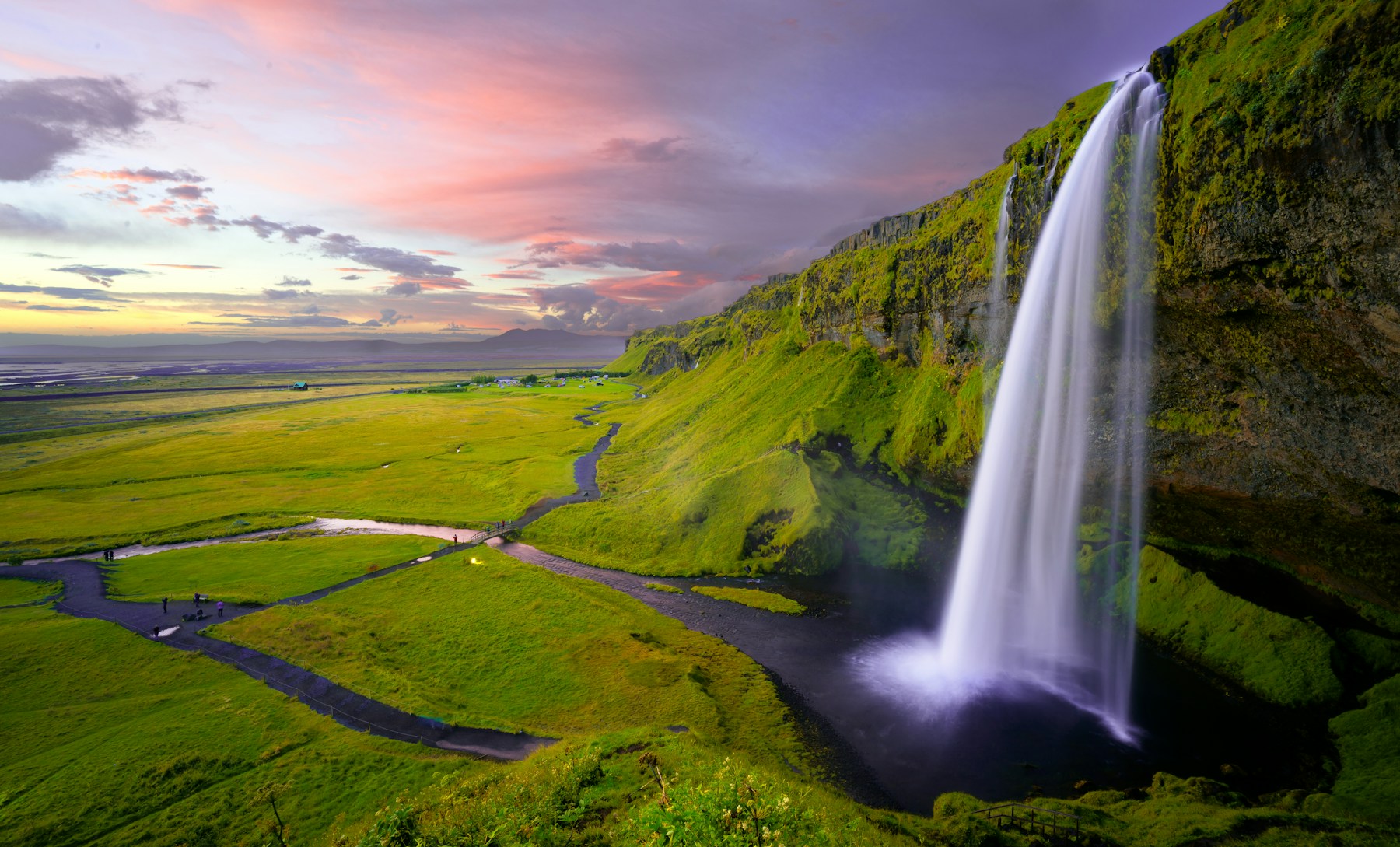
Use this 7 day Iceland itinerary to plan a focused first trip through Reykjavik, the Golden Circle, the South Coast, Skaftafell, and Jokulsarlon. The route gives the biggest driving days enough room, keeps one day flexible for weather, and includes a free Google Sheets template you can adapt to your own flights, lodging, and travel season.
Make a copy of the 7 day Iceland Google Sheets itinerary template. Use it to compare lodging bases, driving days, geothermal pools, guided activities, restaurants, and viewpoints as you shape the trip around your dates.

The template is free to use as a spreadsheet. When you want to see the itinerary on a map, install Travel Mapper for Google Sheets to try the full add-on feature set for 7 days. The add-on includes map view, Google Maps autofill, drag-and-drop itinerary editing, itinerary email, and Google My Maps export. If you do not subscribe after the trial, you can keep using the basic Google Sheets template.
What this Iceland itinerary template includes
- A realistic 7 day route for Reykjavik, the Golden Circle, the South Coast, Skaftafell, Jokulsarlon, and Diamond Beach.
- Overnight bases in Reykjavik, Hella or Selfoss, Vik, and the Hof or Oraefi area to keep the daily driving manageable.
- Official links for Iceland road conditions, SafeTravel alerts, Reynisfjara beach safety, Thingvellir, Skaftafell, Jokulsarlon, and Keflavik International Airport.
- Flexible ideas to consider for geothermal pools, a guided glacier walk, viewpoints, restaurants, museums, and longer detours.
- An Iceland-specific packing and pre-trip checklist.
- A split-cost tab for the rental car, fuel, lodging, groceries, restaurants, parking, spas, and guided activities.
Blue Lagoon, Dyrholaey, a glacier walk, and the Reykjadalur hot-spring hike suit different interests and different kinds of days. Compare a geothermal soak, a coastal viewpoint, a guided activity, or a longer hike before deciding which options best fit your time and travel style.
Quick route summary
This route covers seven calendar days and six nights. Day 1 is a light Reykjavik arrival day. Day 2 follows the Golden Circle before moving south. Days 3 through 5 continue along the South Coast to the glacier region, then return west. Day 6 is deliberately flexible before a final Reykjavik night, and Day 7 is for the airport.
That flexible day is important. Iceland weather and road conditions can change quickly, and a stop that looked simple while planning may take longer once you include wind, rain, parking, meals, and the time it takes to actually enjoy the place.
Check Iceland road conditions, SafeTravel conditions and alerts, and the official Iceland driving guide throughout the trip. The sample itinerary is a starting point for you to update after checking current local guidance.
Why this itinerary focuses on Reykjavik and the South Coast
A seven-day trip can cover the entire Ring Road, but the pace is fast for a first visit. Focusing on Reykjavik, the Golden Circle, and the South Coast gives you more time for the landscapes and activities along the way.
This shorter route gives you more flexibility for changing weather, short hikes, meal stops, and places where you decide to stay longer. It also makes the lodging bases and daily driving easier to adjust as the trip takes shape.
This itinerary concentrates on Reykjavik, the Golden Circle, and the South Coast through Jokulsarlon. You still get waterfalls, geothermal landscapes, black-sand beaches, glacier views, small towns, and several distinct lodging bases, but the trip has enough flexibility to absorb a slower day.
Day 1: Arrive in Iceland and settle into Reykjavik
After landing at Keflavik International Airport, pick up the rental car, check the road conditions, and head to Reykjavik. Where you stay will help determine the easiest place for lunch, your first walk, and the next morning's departure.
Keep the first afternoon simple. The sample plan uses Hallgrimskirkja, central Reykjavik, the Sun Voyager, and the Harpa waterfront. They work well together without asking much of a traveler who has just arrived.
If your flight lands late, head directly to dinner and sleep, then begin the Reykjavik sightseeing the next morning.
Day 2: Thingvellir, Geysir, and Gullfoss
Start early for the Golden Circle, beginning with Thingvellir National Park. Thingvellir combines rift-valley scenery, walking paths, and the historic site of Iceland's parliament. Choose a short walk that fits the weather and your group's energy.
Continue to the Geysir geothermal area to see its steaming ground and active geysers, then visit the two-tiered Gullfoss waterfall. Plan time for lunch and a real break between the main stops, since wind, rain, busy parking areas, and viewpoint walks can all stretch the day.
Stay near Selfoss or Hella that night. This puts you closer to Seljalandsfoss and Skogafoss the next morning and gives you more time for the South Coast.
Kerid offers a short walk around a volcanic crater lake, Secret Lagoon is a natural geothermal pool near Fludir, and Fridheimar combines a greenhouse visit with a tomato-focused meal. Choose the one that best matches whether you want another landscape stop, a soak, or a leisurely lunch.
Day 3: Seljalandsfoss, Skogafoss, Reynisfjara, and Vik
Day 3 brings together several of the South Coast's most recognizable landscapes. Begin at Seljalandsfoss, then continue to Skogafoss. Waterproof layers and shoes with reliable grip are useful even when the forecast looks manageable.
Stop in Vik for lunch before visiting Reynisfjara, known for its black sand, basalt columns, and views of the Reynisdrangar sea stacks. Before your visit, read the current SafeTravel black-beach guidance, follow the warning lights and signs, and keep a generous distance from the water because sneaker waves are a known hazard.

Check into Vik after the beach and leave the evening light. If time and conditions allow, Dyrholaey adds cliff-top views of the black-sand coast, a distinctive sea arch, and possible puffin sightings during the nesting season.
Day 4: Vik to Skaftafell and the glacier region
The route continues east toward Skaftafell. Fjaðrargljufur is a winding canyon with moss-covered cliffs and viewpoints over the river below. Check current access before leaving Vik, then decide whether the detour fits comfortably before lunch and fuel in Kirkjubaejarklaustur.
Spend the afternoon in Skaftafell, part of Vatnajokull National Park. The park has walks of different lengths, so choose one for the current weather, available daylight, and your group's ability.
Stay near Hof or elsewhere in the Oraefi area. Lodging is more limited here than in Reykjavik or Vik, so this is one of the reservations to make early once your dates are firm.
A guided glacier walk is included as an unscheduled activity to consider for your trip. Be sure to choose a qualified operator and allow enough time for check-in, equipment, safety instruction, and the activity itself. You should never attempt to walk onto a glacier independently.
Day 5: Jokulsarlon, Diamond Beach, and the drive west
Start at Jokulsarlon glacier lagoon, where icebergs drift through the lagoon on their way toward the ocean. Across Route 1, Diamond Beach is known for pieces of glacial ice scattered across the black sand. The ice, light, and wildlife change throughout the day, so spend time walking the viewpoints on both sides of the road.

The afternoon is the longest return-driving stretch in this itinerary. Begin the drive west after lunch and plan for fuel, food, weather, and a comfortable break. The sample plan returns to the Hella or Selfoss area for the night.
This is also where seeing the itinerary on a map becomes especially useful. The map shows how far east Jokulsarlon sits from the other South Coast stops and helps you judge the return drive before booking lodging. For a slower pace, add another night in the glacier region and extend the trip.
Day 6: Keep a weather buffer and finish in Reykjavik
Use the morning for a missed South Coast stop only if the road conditions and remaining drive make sense. Otherwise, return to Reykjavik and enjoy a slower final afternoon.
Perlan and the National Museum of Iceland are included as indoor options. Sky Lagoon is the easiest geothermal-spa idea to pair with a Reykjavik day, while Blue Lagoon or Hvammsvik adds a different drive and should be compared with your flight timing and the rest of the plan.
If Blue Lagoon interests you, check its current access and operating updates before booking it around arrival or departure day.
End with a final night in Reykjavik. That gives you a simpler airport morning and some breathing room before the rental-car return.
Day 7: Return the car and depart
Confirm the flight status, fuel requirements, and rental-car return instructions before leaving Reykjavik. Plan your departure around the fuel stop, rental return, luggage, and the airline's recommended terminal arrival time.
Replace the sample departure with your flight and work backward from the airline's recommended arrival time.
Optional Iceland ideas to keep flexible
Other ideas that may suit your trip include Blue Lagoon, Sky Lagoon, Kerid crater, Secret Lagoon, Fridheimar, Dyrholaey, a guided Solheimajokull glacier walk, the Solheimasandur plane wreck, the Reykjadalur thermal-river hike, Perlan, the National Museum of Iceland, and Hvammsvik Hot Springs.
A geothermal pool can work well on a rainy afternoon, while a guided glacier walk may become the main activity for half a day. The Solheimasandur plane wreck involves a longer exposed walk, so compare it with the waterfalls, beaches, and other South Coast places that interest you.
The Travel Mapper Chrome Extension can help while you research. If you find a restaurant, tour, hotel, viewpoint, or museum on Tripadvisor, Google Maps, a travel blog, or a booking site, add it to your Travel Mapper itinerary from the page you are viewing.
How to adapt the itinerary for your travel season
The sample dates are in summer, when longer daylight gives you more time for the route. Check current road, trail, attraction, and tour information as your travel dates approach.
For a winter trip, reduce the daily distance, keep more daylight-dependent stops flexible, and build each driving day around current road, weather, and daylight conditions.
Spring and autumn can also bring fast-changing conditions. Confirm opening hours, lodging, tours, road access, and any seasonal restrictions close to the trip.
How Travel Mapper helps with an Iceland road trip
The spreadsheet gives you one place for dates, times, lodging, links, notes, costs, packing, and shared expenses. Travel Mapper adds the map context that helps you judge whether those plans make sense together.
When your Reykjavik hotel, Golden Circle stops, Vik lodging, Skaftafell hike, glacier lagoon, and airport are visible on the same map, awkward day groupings are easier to spot before you commit to bookings. You can fine tune the itinerary with the drag-and-drop editor, use Google Maps autofill for place details, and add ideas from travel sites with the Chrome Extension.
The Split Costs tab is especially useful for Iceland, where a rental car, fuel, several lodging bases, groceries, restaurants, parking, tours, and geothermal pools may be shared across the group. Keep the expenses beside the itinerary instead of rebuilding the trip from receipts later.
Before you leave, you can email an itinerary summary and export places to Google My Maps for another during-trip reference. The Travel Mapper web app also lets you edit the trip and use an integrated map in a mobile browser.
For a general reusable planner, start with the free Google Sheets travel planner template. If Iceland is part of a longer journey, use the multi-city trip planning guide to organize flights, hotels, and transfers around the road trip.
Iceland itinerary FAQ
Is 7 days enough for Iceland?
Seven days works well for Reykjavik, the Golden Circle, and a South Coast road trip through Jokulsarlon when you choose a focused route and move lodging bases. A longer trip gives you more time to add other regions without making driving the main activity each day.
Can I drive the full Ring Road in 7 days?
It is possible, but it is a fast itinerary with less room for weather, road changes, hikes, meals, and longer stops. For a first one-week trip, this Reykjavik, Golden Circle, and South Coast route gives you more time at the places you came to see.
Do I need a rental car for this itinerary?
Yes. This version is designed as a self-drive itinerary with overnight stops outside Reykjavik. If you do not want to drive, rebuild the plan around guided day tours and their pickup locations and schedules.
Can I use this itinerary in winter?
For winter, use the same general route with fewer daily stops, more daylight awareness, and closer attention to current road and weather conditions. Check official guidance before every driving day.
Can I use the Iceland template without installing Travel Mapper?
Yes. You can copy and use the Google Sheets itinerary for free. It still gives you the day-by-day plan, links, notes, checklist, packing list, and shared-expense tracker.
Travel Mapper is the upgrade when you want to see the itinerary on a map inside Google Sheets, autofill place details, fine tune the schedule with drag-and-drop editing, add places from the web, email the itinerary, or export places to Google My Maps.
Does Travel Mapper automatically optimize the Iceland route?
No. Travel Mapper helps you see your itinerary on a map and adjust the plan, but it does not draw connected route lines or automatically decide the best order for every stop.
You still decide what matters: current road conditions, a booked activity, the weather, a slower hike, or an early night. The map gives those decisions useful geographic context.