
7-Day Scotland Road Trip Itinerary: Edinburgh, Highlands & Skye Google Sheets Template
Matt - July 21, 2026
This 7-day Scotland road trip combines Edinburgh, Loch Lomond, Glencoe, Fort William, the Isle of Skye, Loch Ness, and a return through the Cairngorms. It is designed for a first trip that wants historic cities, Highland scenery, short walks, castles, and a few well-chosen viewpoints without changing hotels every night.
Start with the free 7-day Scotland road trip Google Sheets template. It includes the route below, lodging and driving rows, official links, a packing checklist, shared-cost examples, and unscheduled alternatives such as Stirling Castle, Neist Point, Dunvegan Castle, Culloden Battlefield, and a Loch Ness cruise. Copy it, change the dates, and adjust the route around your own flights, interests, and walking pace.

Itinerary Outline
This 7-day Scotland itinerary follows:
- Days 1-2: Edinburgh
- Day 3: Loch Lomond, Glencoe, and Fort William
- Day 4: Glenfinnan, Eilean Donan, and Portree
- Day 5: The Trotternish Peninsula on the Isle of Skye
- Day 6: Fairy Pools, Loch Cluanie, Loch Ness, and Inverness
- Day 7: Cairngorms, Pitlochry, and the return to Edinburgh
The route works best with a rental car from Day 3 onward. Edinburgh is easier to explore on foot and by local transport, while the Highlands and Skye are much easier to shape around viewpoints, short walks, and castle visits when you can choose your own stops. The driving days are full, so reserve the longest walks and special activities for the days where they fit naturally.
Best time and pacing for this Scotland itinerary
Late spring through early autumn usually gives the most practical balance of daylight, attraction hours, and road-trip conditions. Summer has the longest days and the busiest roads, while spring and autumn can bring quieter paths and changing weather. Winter can be beautiful, but daylight, mountain conditions, attraction schedules, and road closures require a different plan.
Build flexibility into the Highlands portion. A clear morning may be ideal for the Old Man of Storr or the Quiraing, while a lower-level castle, museum, or village stop can make more sense when cloud covers the higher viewpoints. Check current VisitScotland travel information, attraction opening times, road conditions, and walking guidance before you leave.
The route is more comfortable when you keep two nights in Edinburgh and two nights in Portree. Fort William and Inverness work as one-night bases for the long middle section, while a final night near Edinburgh or the airport is useful if your flight leaves early. If you have eight or nine days, the best improvement is usually an extra night on Skye or in the Cairngorms rather than adding another distant region.
Day 1: Arrive in Edinburgh and explore the Old Town
Stay near the Old Town, New Town, or the area around St Andrew Square so you can reach the main historic sights without a complicated first transfer. If you are arriving after a long flight, keep the first afternoon close to your lodging and use it to get oriented.
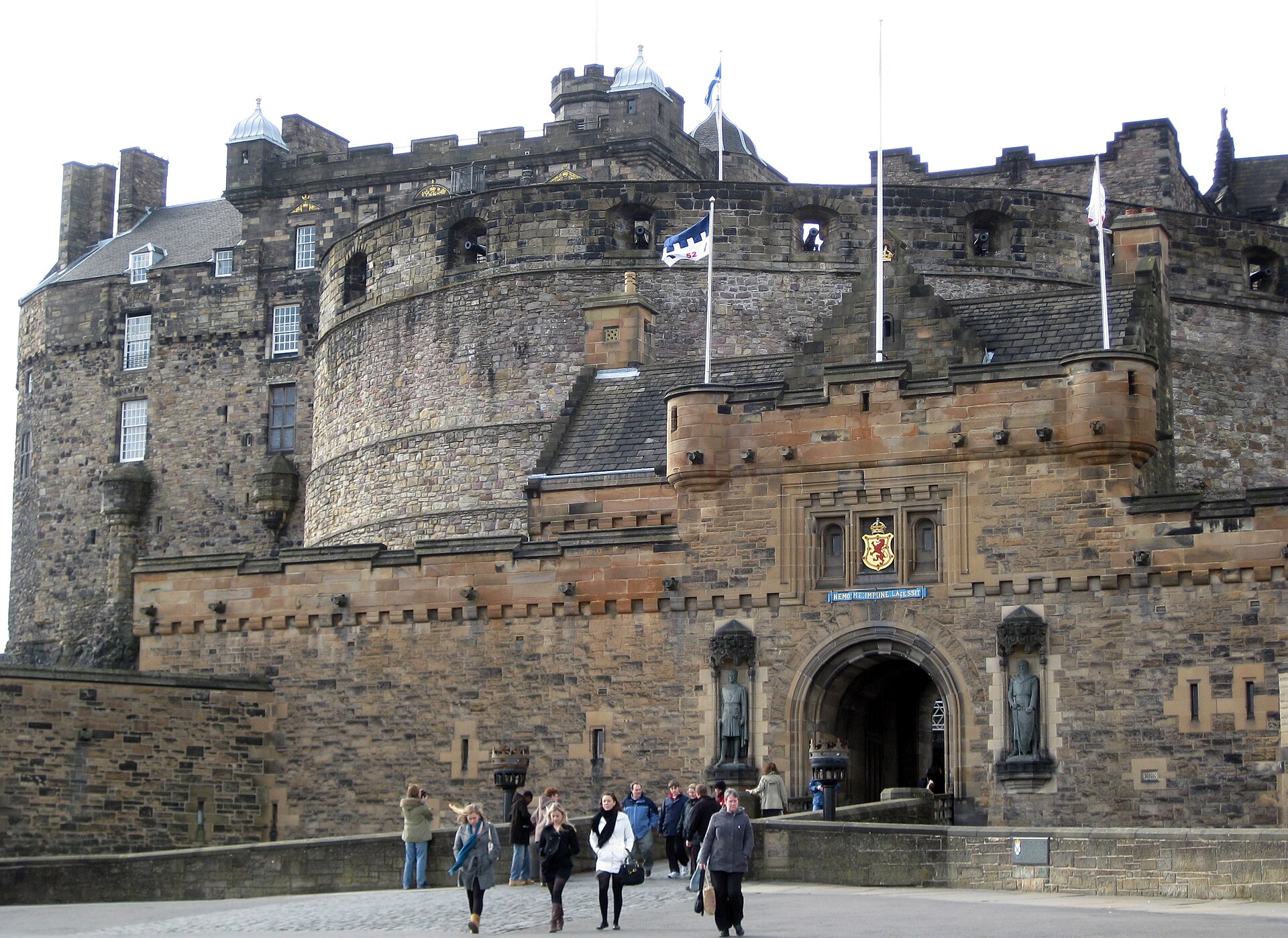
Begin around Edinburgh Castle, which sits on Castle Rock above the Old Town. The complex includes the Crown Square, the Royal Palace, St Margaret's Chapel, military museums, and viewpoints across the city and Firth of Forth. It is a substantial visit, so allow time for the buildings, exhibitions, ramparts, and city views.
From the castle, walk down the Royal Mile toward Holyrood. The route passes closes, historic buildings, shops, cafes, and St Giles' Cathedral. Victoria Street and the Grassmarket make a good evening loop, with colorful shopfronts, independent stores, pubs, and restaurants gathered below the castle.
For dinner, stay in the Old Town or continue toward New Town and Stockbridge. Edinburgh's center is compact enough that you can choose a different neighborhood for the evening without adding a major transfer.
Day 2: Museums, Holyrood Park, and New Town views
Start with the National Museum of Scotland, which brings together Scottish history, natural history, science, design, and world cultures in a large Victorian building. It works well early in the day because you can choose the galleries that interest you across a broad collection.
After the museum, walk toward Holyrood Park and Arthur's Seat. Arthur's Seat is the main peak of the park, an ancient volcanic hill with views over Edinburgh, the Firth of Forth, Salisbury Crags, and the surrounding neighborhoods. The paths vary in steepness and surface, so choose a route that matches the weather and the time you want to spend outside. You can also walk around the lower park and see St Anthony's Chapel and Duddingston Loch without climbing to the summit.
Use the late afternoon for Calton Hill and New Town. Calton Hill has broad views toward the Old Town and the water, along with the National Monument and other neoclassical structures. New Town adds Georgian streets, Princes Street views, galleries, and restaurants. Together, these stops show how Edinburgh's medieval Old Town and planned New Town sit alongside one another.
If you prefer more history, swap part of the afternoon for the Palace of Holyroodhouse or the Writers' Museum. If you want a slower day before driving, spend more time in Dean Village, Stockbridge, or the National Galleries near Princes Street.

Day 3: Edinburgh to Loch Lomond, Glencoe, and Fort William
Pick up your rental car after leaving Edinburgh. The first driving day introduces the landscape gradually, moving from the city through the lochs and mountains of the west. Confirm your rental insurance, driving position, parking plan, and fuel stops before setting out.
Make Loch Lomond your first major stop. Loch Lomond & The Trossachs National Park includes wooded shores, islands, villages, and mountain scenery. Luss is a convenient short stop for a village walk and a view across the water. If you want more time on the loch, a cruise from the wider Balloch or Tarbet area can replace the village stop, depending on the current timetable.
Continue north through Glencoe. The valley is known for steep ridgelines, exposed mountain scenery, and a strong sense of how the road sits inside the landscape. At the National Trust for Scotland's Glencoe, the visitor center provides context for the area, while viewpoints around the Three Sisters and the A82 give you several ways to see the valley without committing to a long hike.
The Three Sisters are three ridges on the south side of Glen Coe. From the viewpoints, you can see the folds of the mountains, the narrow valley floor, and the road continuing toward Rannoch Moor and Fort William. Short stops here can be rewarding even when cloud covers the higher peaks because the valley walls remain close and dramatic.
Continue to Fort William for the night. The town sits beside Loch Linnhe at the foot of Ben Nevis and is a useful base for the Glenfinnan section of the route. A walk along the waterfront or dinner in town is enough for the evening; the main purpose of this stop is to keep the next day manageable.
Day 4: Glenfinnan, Eilean Donan, and Portree
Begin with the Glenfinnan area. The National Trust for Scotland's Glenfinnan includes the viaduct viewpoint, the Glenfinnan Monument beside Loch Shiel, and a visitor center that explains the area's landscape and Jacobite history. The curved railway viaduct is also familiar from the Harry Potter films, but the landscape around the bridge is the reason to allow time for the walk and viewpoint.
If seeing a steam train cross the viaduct is important to you, check the current operator timetable and build the day around the published departure. The monument and loch provide a worthwhile visit even when the train schedule does not fit.
Continue west toward Eilean Donan Castle, one of the Highlands' most recognizable castle settings. The restored castle stands on a small island at the meeting point of three sea lochs, with a stone bridge connecting it to the shore. Inside, the rooms explain the castle's history and restoration; from outside, the wider view across Loch Duich and the surrounding mountains is the main appeal.
Arrive in Portree for two nights. Portree is the largest settlement on Skye and a practical base for the Trotternish Peninsula, with a harbor, restaurants, shops, and access to the island's main roads. Stay within walking distance of the harbor if you want easy dinners, or choose a quieter place outside town if parking and views matter more.

Day 5: Old Man of Storr, Kilt Rock, and the Quiraing
Use Day 5 for the north of Skye. Start with the Old Man of Storr, a group of tall basalt pinnacles on the Trotternish Ridge. The walk climbs from the parking area toward the rock formations and opens up views across the sea and surrounding hills. The landscape is recognizable from photographs, but the scale becomes clearer as you move uphill among the cliffs and boulders.
Continue to Kilt Rock and Mealt Falls. The viewpoint looks over a tall sea cliff with columnar basalt that resembles the pleats of a kilt, while Mealt Falls drops toward the coast nearby. It is a short stop that adds the sound and scale of the sea to a day otherwise focused on inland ridges and walking.
Spend the afternoon around the Quiraing. The road reaches a landscape of tilted cliffs, pinnacles, and grassy paths shaped by a large landslip on the Trotternish Ridge. You can choose a short viewpoint walk or a longer route depending on weather, energy, and daylight. The Quiraing is one of the places where footwear and current conditions matter more than a fixed mileage target.
Return to Portree for dinner by the harbor. The town is small enough to walk around after the drive, and the waterfront is a good place to see the fishing harbor and colorful buildings before settling in for the evening.

Photo: [Clemnat via Wikimedia Commons](https://commons.wikimedia.org/wiki/File:OldManOfStorr.jpg), licensed CC BY-SA 4.0.
Day 6: Fairy Pools, Loch Cluanie, Loch Ness, and Inverness
Use the morning for the Fairy Pools near Glenbrittle if the weather and parking conditions work for your trip. The pools are a series of clear basins and small waterfalls along the River Brittle, with views toward the Cuillin mountains. The walk is relatively short but can be wet and uneven, and the experience depends heavily on water levels, light, and cloud over the peaks.
Leave Skye through the central Highlands and stop at Loch Cluanie for a broad loch-and-mountain view. This is a useful landscape break between the island and Loch Ness, especially when you want to stretch your legs without adding another major attraction.
Continue to Urquhart Castle on the western shore of Loch Ness. The ruined castle occupies a rocky promontory with open views along the loch. The Grant Tower, defensive walls, shoreline, and visitor center give the stop more depth than a roadside viewpoint, while the setting makes it easy to appreciate why the site mattered as a medieval stronghold.
If a boat trip on Loch Ness is important to you, compare the current departure point, duration, and return timing before booking. A cruise can replace part of the castle or shore visit, but trying to fit every option into the same afternoon leaves little time for Inverness.
Finish in Inverness, where the River Ness, Victorian Market, bookstores, cafes, and restaurants give you an easy final evening in the Highlands. Stay near the center if you want to walk to dinner, or near the A9 if an early departure is more important.

Day 7: Cairngorms, Pitlochry, and return to Edinburgh
The final day is a transfer day, so choose one or two stops based on your departure time. A direct drive from Inverness to Edinburgh is the simplest option. If you have a later flight or an evening return to the city, continue through the Cairngorms and stop around Aviemore or Pitlochry.
Loch an Eilein in Rothiemurchus is a good Cairngorms option when you want a woodland and loch walk. The path around the water looks toward a small island castle and passes through Scots pine forest. A short section gives you a feel for the area without turning the return drive into a full hiking day.
Pitlochry works well for lunch and a final town walk. The Victorian resort town sits beside the River Tummel and has shops, cafes, a dam, and access to nearby woodland and distilleries. If you are interested in whisky, the template includes a blank-date Speyside distillery idea so you can choose a current tour that fits your actual route and booking preferences.
Return the rental car in Edinburgh and stay near the airport if you have an early flight. If your flight is before midday, skip the Cairngorms and Pitlochry and travel directly from Inverness or stay in Edinburgh the night before. The extra driving stops are useful only when your departure window leaves room for them.
Where to stay along the route
Edinburgh
The Old Town, New Town, St Andrew Square, and the area around St Stephen's Green are the most convenient bases for this itinerary. The Old Town keeps the castle, Royal Mile, museums, and Holyrood close. New Town is useful for restaurants, shopping, and the rail station. Check parking before booking if you plan to keep the rental car in Edinburgh.
Fort William
Fort William is a practical overnight base for the Glenfinnan and west-coast section. Stay near the center or waterfront for dinner and easy morning access to the A830. A property farther out can offer more space or views, but confirm the drive to Glenfinnan and your parking arrangements.
Portree
Portree is the best all-around base for two nights on Skye because the harbor, restaurants, and north-island roads are within reach. Book early for popular travel months and confirm parking. If Portree is full, look at nearby villages along the route to the Trotternish Peninsula, but factor in an evening drive after a full day outside.
Inverness
Stay near the center if you want to walk along the River Ness and find dinner without moving the car. A location near the main road can be more convenient for the return to Edinburgh, especially when the final day begins early.
Transport and booking notes
This route combines city sightseeing with a Highlands road trip:
- Explore Edinburgh without a car, then pick up the rental car on Day 3.
- Use a rental car for Loch Lomond, Glencoe, Glenfinnan, Eilean Donan, Skye, Loch Ness, and the return through the Cairngorms.
- Compare airport pickup and drop-off locations before booking because one-way rental arrangements can change the total cost and timing.
- Allow more time than a simple map estimate for single-track roads, viewpoint parking, photo stops, meals, and weather changes.
Book these parts first:
- International flights and the arrival/departure airport
- Edinburgh, Fort William, Portree, and Inverness lodging
- Edinburgh Castle and any timed historic attraction visits
- Rental car, insurance, and the pickup/drop-off location
- Glenfinnan train travel if the viaduct crossing is central to your plans
- Eilean Donan, Urquhart Castle, boat trips, or guided walks that you want at a specific time
Use official attraction and operator websites for current opening hours, parking instructions, ticket rules, road updates, and weather-related changes. Keep the booking links beside each stop so everyone in the group can find the same information when the route changes.
For other spreadsheet-first multi-city routes, see the 14 day Japan itinerary, 10 day Portugal itinerary, 10 day Switzerland itinerary, 7 day Croatia itinerary, and 7 day Ireland road trip itinerary. The Google Sheets travel planner template explains the broader planning workflow.
Optional swaps and extra ideas
Keep these options on the same itinerary as alternatives to consider when your interests, weather, or flight times change:
- Stirling Castle: a major royal fortress that can replace part of Edinburgh or fit between the city and the Highlands
- Loch Lomond boat cruise: a different way to experience the loch when you want more time on the water
- Jacobite Steam Train: a dedicated rail experience to consider around Fort William and Glenfinnan
- Neist Point Lighthouse: a western Skye viewpoint with sea cliffs, open horizons, and a walk to the lighthouse
- Dunvegan Castle and gardens: a historic island base with gardens, coastal scenery, and a different side of Skye
- Loch Ness cruise: a boat-based alternative to a longer castle and shoreline visit
- Culloden Battlefield: a historically significant site near Inverness with a visitor center and walking paths across the battlefield
- Cairngorm Mountain: a mountain setting near Aviemore that can replace Loch an Eilein when current conditions and lift operations fit
- Speyside whisky distillery: a guided tasting or tour to consider on the return through the Cairngorms
- Glasgow city swap: a different two-night city start or finish for travelers more interested in music, architecture, and museums
Neist Point, Dunvegan, and a full Quiraing day each need more time on Skye, so choose one based on the experience you want most. The Jacobite train and a boat cruise also need current schedules before you build the rest of the day around them.
How Travel Mapper helps with a Scotland road trip
The free Google Sheets template keeps flights, lodging, driving legs, viewpoints, walks, meals, costs, packing, and shared notes in one place. With Travel Mapper, you can see the itinerary on a map in the same Google Sheet and review how Edinburgh, Loch Lomond, Glencoe, Skye, Loch Ness, and the Cairngorms fit together before finalizing the route.
That map context is useful when you are deciding whether to spend another night on Skye, comparing a Portree day with a west-coast swap, or checking whether Cairngorms stops fit before an Edinburgh flight. Drag-and-drop itinerary editing helps you fine-tune the order of stops. Google Maps autofill can add place details to the sheet, and the Travel Mapper Chrome extension can add places from castle, hotel, restaurant, and travel-research pages while you compare options.
Travel Mapper includes a seven-day trial of the full Google Sheets add-on feature set. After the trial, you can keep using the basic itinerary template for free or upgrade for map view, drag-and-drop editing, itinerary email, cost-splitting tools, and Google My Maps export.
Copy the free 7-day Scotland road trip template and update it for your flights, lodging, driving days, and interests. When you want to see the itinerary on a map while you refine the plan, install Travel Mapper from the Google Workspace Marketplace.
Frequently asked questions
Is 7 days enough for Scotland?
Seven days is enough for a focused first route through Edinburgh, the central Highlands, Skye, Loch Ness, and a small part of the Cairngorms. It is a full itinerary with several driving days, so add nights if you want longer walks, more time on Skye, or a slower pace between Edinburgh and the Highlands.
Do I need a car for this Scotland itinerary?
You can explore Edinburgh without a car, but a rental car makes the Highlands and Skye route much easier to shape around viewpoints, castles, short walks, and changing weather. Organized tours can replace the car for individual sections if you prefer not to drive, though the route and stop lengths will be less flexible.
How many nights should I spend on the Isle of Skye?
Two nights in Portree gives you one full day for the Trotternish Peninsula and a second morning or afternoon for Fairy Pools, Dunvegan, Neist Point, or a slower start. One night is possible, but it makes the Skye section dependent on long driving days and leaves less room for weather changes.
Is the North Coast 500 included in this route?
No. The North Coast 500 is a separate, longer road-trip route around the northern Highlands. This itinerary focuses on Edinburgh, Skye, Loch Ness, and the west-central Highlands so the route can fit into one week without adding the northern coast as another large loop.
What should I book ahead in Scotland?
Book lodging, the rental car, Edinburgh Castle, popular castle entries, special train trips, boat cruises, and guided walks that matter to your plans. Check current opening hours, parking rules, and operator schedules before booking because attraction and transport availability changes by season.
Can I use the Scotland itinerary template without installing Travel Mapper?
Yes. Open the public Google Sheet and choose Make a copy to save it to your Drive. You can update dates, lodging, stops, costs, links, and checklists for free. Install Travel Mapper when you want to see the itinerary on a map and use the add-on planning features inside Google Sheets.