
10 Day Austria Itinerary: Vienna, Salzburg & Innsbruck + Free Google Sheets Template
Matt - August 4, 2026
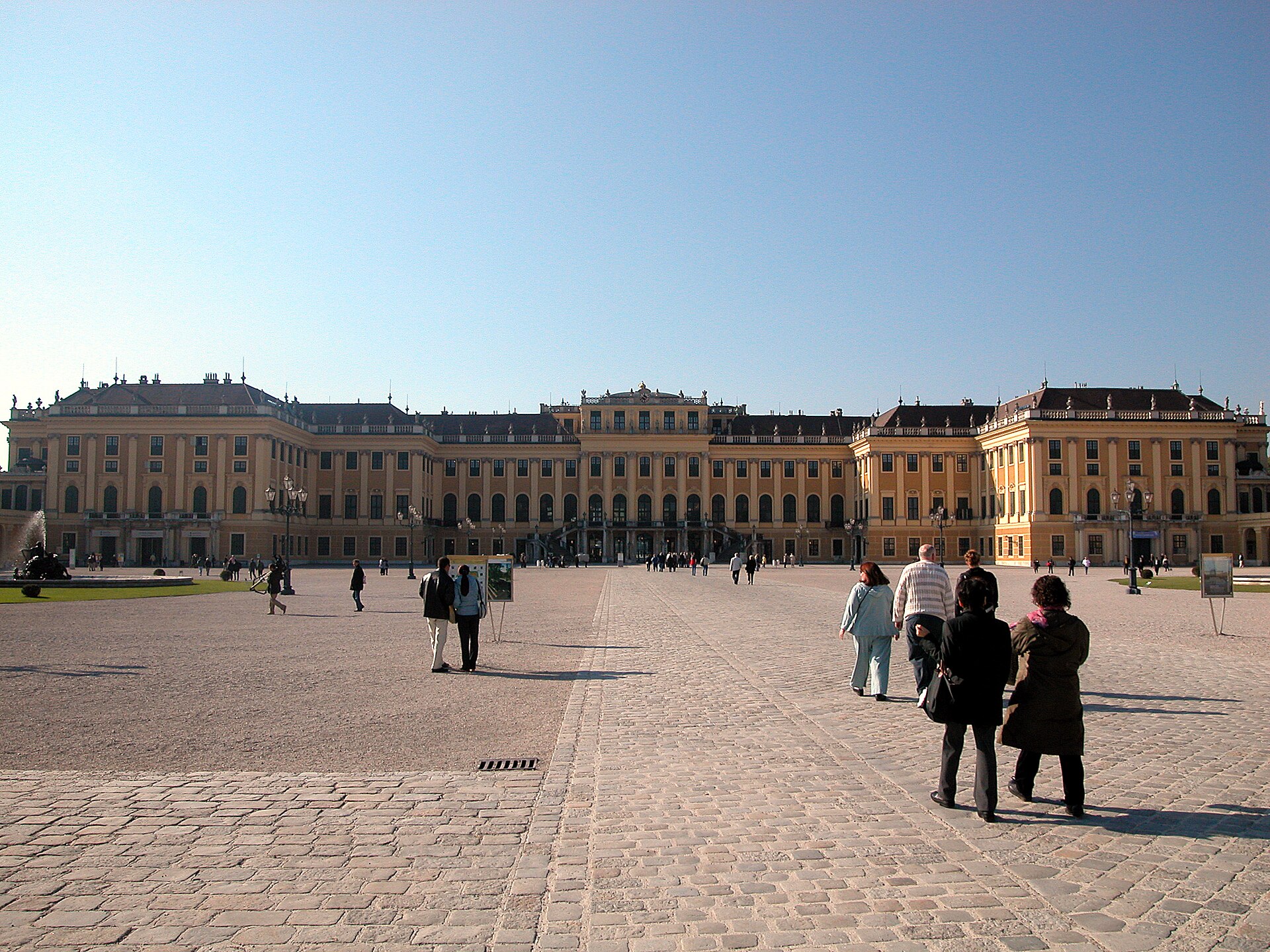
This 10-day Austria itinerary is designed for a first trip that combines Vienna, Salzburg, a Hallstatt day trip, and Innsbruck. It gives you imperial history, museums, alpine scenery, smaller historic streets, and a straightforward sequence of bases without changing hotels every night.
Use the free 10 day Austria itinerary Google Sheets template as a starting point, then update the hotels, train times, restaurants, tickets, and activities for your own trip. The article below explains what each stop is known for and how the days fit together. If you want a broader planning framework, the Google Sheets travel planner template includes itinerary, checklist, packing, and shared-cost sections.

Itinerary Outline
For a first Austria trip, this route uses three main bases and one day trip:
- Days 1-4: Vienna for Schönbrunn, the Hofburg, museums, markets, and central neighborhoods
- Days 4-7: Salzburg for the historic center, Mirabell Gardens, Hohensalzburg Fortress, Mozart sites, and a Hallstatt day trip
- Days 7-10: Innsbruck for the Old Town, the Golden Roof, Nordkette, a possible Seefeld day, and an easy final morning
The route works well by train. Vienna gives you the most time for museums and neighborhoods, Salzburg provides a compact historic base with access to the Salzkammergut, and Innsbruck adds a strong alpine finish. The ÖBB website is the best place to check current rail schedules and connection details before you commit to hotel dates.
Best time and pacing for this Austria itinerary
May through October is the most flexible period for this route, especially if you want clear mountain views, longer days, and more options for lakeside or alpine excursions. July and August bring the highest demand in many popular areas. Spring and fall can offer a quieter feel, but mountain lifts, higher trails, and smaller attractions may use seasonal schedules.
December through March changes the emphasis. Vienna and Salzburg still work well for museums, historic interiors, concerts, markets, and winter atmosphere, while Innsbruck becomes a stronger choice for skiing and snow activities. Check current mountain, lift, and trail conditions before planning a day around a specific viewpoint.
This itinerary has enough structure for timed sights and train transfers while leaving evenings open for local restaurants or a slower walk. The Hallstatt day is the most weather-sensitive part of the route. If the forecast is poor, spend the day in Salzburg with museums, cafés, Hellbrunn, or another nearby option.
Day 1: Arrive in Vienna and settle into the center
Use the first day for arrival, transit into Vienna, check-in, and a gentle introduction to the city. Staying around the Innere Stadt, Karlsplatz, or a well-connected neighborhood near the Ringstrasse keeps the first afternoon simple.
If you arrive with enough time, start at Stephansplatz and St. Stephen's Cathedral, Vienna's best-known Gothic landmark. The square is a useful orientation point for the central lanes, cafés, and shopping streets around Kärntner Straße and Graben. Continue toward the Hofburg area or walk along part of the Ringstrasse before choosing dinner close to your lodging.
For dinner, look around the historic center or choose a traditional restaurant such as Plachutta if Viennese classics are part of your plans. Keep the evening flexible after a long journey; the first goal is to get comfortable with the city and make the next morning easy.
Day 2: Schönbrunn Palace and MuseumsQuartier
Spend the morning at Schönbrunn Palace, the former Habsburg summer residence on the western side of Vienna. The palace rooms explain the imperial household, while the grounds add a much larger outdoor visit with formal gardens, the Neptune Fountain, the Gloriette viewpoint, and seasonal garden areas.
Allow more time than the palace interior alone suggests. If the weather is good, walking up toward the Gloriette gives you a broad view back across the grounds and Vienna. Check current timed-entry and garden information before choosing the exact tour, especially in the busiest months.
Return toward the center for the afternoon around MuseumsQuartier, Maria-Theresien-Platz, or one of Vienna's major museums. The Kunsthistorisches Museum is a strong choice for imperial collections, Old Masters, and a grand interior; the Leopold Museum or mumok can suit a different interest. You do not need to visit every museum in the district for the area to be worthwhile. The courtyards, nearby cafés, and walking route toward the Hofburg make it a good neighborhood for a slower afternoon.
End the day with dinner around Neubau, Mariahilf, or the MuseumsQuartier rather than making a separate cross-city trip for every meal.
Day 3: Hofburg, KHM or Belvedere, and Naschmarkt
Use Day 3 for the Hofburg complex and the part of Vienna's cultural scene that most interests you. The Hofburg covers several experiences, including the Imperial Apartments, the Sisi Museum, the Silver Collection, the Spanish Riding School, and the Austrian National Library nearby. Choose the sections that match your interests and allow enough time for the parts you want to see.
If you prefer art to imperial interiors, replace part of the Hofburg visit with the Belvedere. The Upper Belvedere is known for its collection of Austrian art, including Gustav Klimt's The Kiss, while the palace grounds provide a different setting from central Vienna's dense streets. The Belvedere fits well as a focused morning or afternoon, but it is not immediately beside the Hofburg, so keep the day's museum choices geographically sensible.
Spend the later afternoon around Naschmarkt and the surrounding Freihausviertel. Naschmarkt combines food stalls, produce, restaurants, and an easy place to browse without needing another major ticket. If you want a quieter evening with local wine taverns, Grinzing is a useful alternative; check current opening details through Vienna's official wine tavern guide.
Day 4: Vienna to Salzburg and the historic center
Take a morning train from Vienna to Salzburg. The train journey is simple compared with a road transfer, and arriving around midday leaves time for the Old Town without requiring a late check-in. Stay near the historic center for the easiest access to the main sights, or near Salzburg Hauptbahnhof if onward connections and a larger hotel selection matter more.
Start the afternoon at Mirabell Palace and Gardens. The gardens are known for their formal layout, sculptures, seasonal plantings, and views toward the fortress. From Mirabell, cross the Salzach and continue along the Getreidegasse area, University Church, Mozartplatz, and the lanes around Salzburg Cathedral.
Salzburg's historic center is compact, but each part has a different character. Getreidegasse is a busy shopping street with traditional signs and passageways; the cathedral area is more monumental; and the riverfront gives you views back toward the old town and Mönchsberg. Use the evening for a restaurant in the center or a walk along the Salzach.

Day 5: Hohensalzburg Fortress, Mozart sites, and Mönchsberg
Begin at Hohensalzburg Fortress, the hilltop landmark that dominates Salzburg's skyline. The fortress has defensive history, rooms, museums, and views across the old town, river, and surrounding basin. Allow time for the ascent, the fortress rooms and museums, and the views from the ramparts.
After the fortress, continue through the cathedral district and choose a museum or historic interior. Mozart's Birthplace on Getreidegasse focuses on Mozart's early life and the Salzburg context around his family. It is a natural pairing with the old-town walk, while a second museum may be a better choice if music history is not a priority.
Use the later afternoon for Mönchsberg viewpoints or a slower café break. Salzburg is pleasant when the main sights are balanced with time to walk the smaller lanes, browse local shops, and pause along the river. If you want an outdoor excursion without leaving the city, this gives you a useful alternative to a longer day trip.
Day 6: Hallstatt and the Salzkammergut
Use Day 6 for a day trip toward Hallstatt and the Salzkammergut, the lake district east of Salzburg. Hallstatt is known for its setting between the lake and steep mountain slopes, compact historic lanes, waterfront views, and its long salt-mining history. The Hallstatt visitor information site is useful for checking current local access and attractions, while the Salzkammergut tourism site covers the wider region.
Walk along the waterfront and through the village center, then choose the attractions that match your timing and current conditions. The Hallstatt salt mine and Skywalk can add a higher viewpoint and a deeper connection to the region's salt history, but it requires more time and some uphill travel. If the weather is clear and transport lines up, the lake and mountain setting justify giving Hallstatt most of the day.
Hallstatt is a popular destination, so an early start helps. Check current boat, rail, bus, attraction, and access details before setting a tight schedule. If the conditions are rainy or visibility is poor, Salzburg's museums, Hellbrunn, or a shorter lake excursion may give you a better day.

Day 7: Salzburg to Innsbruck and the Old Town
Take a morning train to Innsbruck and use the afternoon to get oriented around the Old Town. Innsbruck is compact in the center but has an alpine setting that makes the city feel different from Vienna and Salzburg. Stay near the Old Town, the river, or a tram connection that makes Nordkette and the station easy to reach.
Start at the Golden Roof, Innsbruck's best-known historic landmark, then walk through Herzog-Friedrich-Straße, the Hofburg area, and the Hofkirche. The Old Town combines colorful façades, arcades, cafés, and imperial history, so it is worth seeing at a walking pace instead of moving between isolated pins.
If the weather is clear, use the evening for a first look at the mountains from the river or Marktplatz. Innsbruck's setting is one of its main attractions: the Nordkette rises sharply north of the center, while the valley opens toward other Tyrolean towns and mountain areas.
Day 8: Nordkette and Innsbruck's mountain setting
Use Day 8 for the Nordkette, which can take you from the city toward high mountain viewpoints without giving up a full day to a distant transfer. The exact experience depends on operating conditions, weather, and which station or viewpoint you choose. Clear visibility matters, so confirm current cable-car schedules and mountain conditions before going.
The lower sections provide city-and-valley perspectives, while higher stops offer more dramatic alpine views and access to walking routes. Bring layers even in summer because the temperature and wind can change quickly with elevation. If you prefer a shorter outing, spend more time around the river, the Old Town, or the Alpenzoo, which focuses on Alpine animals and fits naturally with the Hungerburg side of the city.

Day 9: Seefeld day trip or a slower Innsbruck day
Choose between a day trip to Seefeld and another Innsbruck-focused day. Seefeld is a mountain resort area on a plateau west of Innsbruck, with walking paths, village cafés, and views that feel more open than the city valley. Wildsee is an easy option when you want a lake and a gentle walk rather than a difficult mountain route.
Seefeld works best when the weather is good and you want a change of scenery without adding another hotel. Check the current rail schedule and allow time for the return trip. If the forecast is uncertain, stay in Innsbruck and choose Ambras Castle, the Tyrolean Folk Art Museum, more Old Town time, or cafés and shops along Maria-Theresien-Straße.
For a more ambitious alternative, consider Swarovski Crystal Worlds or the Stubai Glacier, but treat those as separate choices. They have different transport, weather, and timing requirements, so combining them with Seefeld would make the day unnecessarily full.
Day 10: Ambras Castle and departure
Use the final morning for Ambras Castle if your departure time allows. The Renaissance castle has historic collections, armor, portraits, and grounds on the edge of Innsbruck. It is a good final stop for travelers who want one more cultural visit before leaving the city, but keep the airport or station transfer in view when you set the timing.
If your departure is earlier, have coffee near the Old Town and leave enough time for luggage, the airport, or the onward train. Innsbruck Airport is close to the city compared with many major airports, but a comfortable buffer still matters when you have a connection or a rental-car return.
Where to stay along the route
Vienna
The Innere Stadt is convenient for Stephansplatz, the Hofburg, the Ringstrasse, and evening walks. Neubau and Mariahilf offer more cafés and restaurants while remaining well connected to the center. Near Wien Hauptbahnhof is practical for early rail travel, but it is less atmospheric for a first evening.
Salzburg
Stay in the Altstadt if you want to walk to Mirabell, Getreidegasse, the cathedral, and Hohensalzburg Fortress. The area around Salzburg Hauptbahnhof is useful for a shorter stay or early connections. Choose based on whether evening walking or transport convenience matters more for your trip.
Innsbruck
The Old Town is best for historic streets, restaurants, and easy access to central sights. The area near the station is convenient for the Vienna/Salzburg connection and day trips. A tram-friendly location can be valuable if Nordkette, Ambras, or other outer districts are central to your plans.
Train, ticket, and booking logistics
Reserve the parts of this itinerary that can shape the rest of the trip:
- Vienna, Salzburg, and Innsbruck lodging, especially for summer, Christmas markets, and major events
- Long-distance train departures that fit your hotel check-in and day-trip timing
- Schönbrunn, Hofburg, KHM, Belvedere, Hohensalzburg, and other timed attractions when current ticket rules call for advance planning
- Hallstatt attractions and regional transport if you want the salt mine, Skywalk, or a specific boat connection
- Nordkette, Seefeld, or other mountain excursions after checking current weather and operating schedules
Keep the exact order flexible when conditions matter. A clear mountain day is more valuable for Nordkette or Hallstatt, while a rainy day may suit museums in Vienna, Salzburg, or Innsbruck. Use current information from ÖBB, attraction websites, and local tourism offices close to the trip.
For more help coordinating bases, transfers, and optional stops, see the multi-city trip planning guide. You can also compare this route with the Switzerland itinerary, Italy itinerary, Croatia itinerary, and South Korea itinerary.
Optional Austria itinerary ideas
The itinerary tab includes these unscheduled alternatives so you can compare them with the scheduled route:
- Wachau Valley and Dürnstein from Vienna for vineyards, river scenery, and a compact historic town
- Belvedere Palace as a Vienna art-and-gardens swap for one of the central museum blocks
- Hellbrunn Palace and trick fountains near Salzburg for a lighter outdoor and architectural visit
- St. Wolfgang and Wolfgangsee for a lake-and-village day in the Salzkammergut
- Dachstein Krippenstein for a mountain viewpoint and cable-car excursion when conditions and transport fit
- Zell am See for lake views and mountain scenery if you want a longer Salzburg-area outing
- Swarovski Crystal Worlds for a focused design and exhibition visit near Innsbruck
- Stubai Glacier for a higher alpine excursion with more demanding weather and transport planning
Each option is on the main itinerary tab with a blank date and time, so it remains available while you decide which version of Austria fits your trip.
What the Austria Google Sheets itinerary template includes
The public itinerary is also available as a free Google Sheets template. It includes the Vienna, Salzburg, Hallstatt, and Innsbruck plan above, with dates, timing, specific locations, links, notes, costs, and categories for the scheduled stops.
The template also includes:
- Unscheduled alternatives on the main Itinerary tab, including Wachau Valley, Belvedere, Hellbrunn, Wolfgangsee, Dachstein, Zell am See, Swarovski Crystal Worlds, and Stubai Glacier
- An Austria-focused checklist for trains, timed attractions, walking shoes, rain layers, alpine weather, travel documents, offline maps, and reservations
- A shared-cost section with illustrative examples for meals, lodging, and activities that you can replace with your own trip expenses
- Space for hotel confirmations, restaurant links, ticket references, notes, and other planning details
Start with the free Austria itinerary template, then adjust the dates, hotel choices, transport, tickets, and optional stops after checking current local information.
How Travel Mapper helps with an Austria trip
The free Google Sheets planner keeps your hotels, train transfers, museums, mountain outings, meals, costs, checklists, and notes together. With the Travel Mapper Google Sheets add-on, you can see your itinerary on a map right inside Google Sheets and compare how Vienna, Salzburg, Hallstatt, and Innsbruck fit together before you finalize the trip.
That map context is useful for Austria because the trip shifts from dense city neighborhoods to lake districts and alpine towns. It makes it easier to fine-tune which stops belong on the same day, compare an optional day trip with a museum day, and keep train stations, hotels, restaurants, and mountain excursions in view together. Drag-and-drop itinerary editing helps you adjust the order of stops, while Google Maps autofill can add place details to the sheet.
The Travel Mapper Chrome extension can also help while you research. If you find a restaurant, hotel, museum, or mountain operator on another webpage, you can add it to the itinerary while you are researching and decide later whether it belongs in the final plan.
During the full-feature trial, the add-on also supports itinerary email and Google My Maps export. After the trial, you can keep using the basic Google Sheets template for free. If you want to review or edit the trip from your phone while traveling, the Travel Mapper web app works in a mobile browser.
Austria itinerary FAQ
Is 10 days enough for Austria?
Ten days is enough for a first trip that combines Vienna, Salzburg, Hallstatt, and Innsbruck. It gives you a mix of major city sights, historic centers, a lake district, and alpine scenery without requiring a new hotel every night. Add days if you want longer stays in the Salzkammergut, Tyrol, or the Wachau Valley.
What is the best Austria itinerary for a first trip?
Vienna, Salzburg, Hallstatt, and Innsbruck make a balanced first route. Vienna has the largest concentration of museums and imperial sights, Salzburg adds a compact historic center and nearby lakes, Hallstatt provides a focused lake-and-mountain day, and Innsbruck finishes with city access to the Alps.
Can I travel around Austria by train?
Yes. Vienna, Salzburg, and Innsbruck are connected by rail, and train travel is a practical default for this itinerary. Hallstatt, Seefeld, and other day trips require more specific connections, so check the exact station, bus, boat, and local transfer details for the day you choose.
Should I stay overnight in Hallstatt?
A Hallstatt overnight can work if the lake district is the main reason for your Austria trip, but a day trip from Salzburg keeps the route simpler and avoids another hotel change. Stay overnight when you want a slower lake-town experience or plan to add other Salzkammergut towns and mountain areas.
Is Innsbruck worth adding to a 10-day Austria itinerary?
Innsbruck is a good addition if you want alpine scenery alongside Vienna and Salzburg's historic and cultural sights. The city gives you Old Town landmarks, river and mountain views, Nordkette access, and day-trip options such as Seefeld. If museums and imperial history are your main priorities, use those days for more time in Vienna or Salzburg instead.
Can I use the Austria itinerary template without Travel Mapper?
Yes. The Google Sheets itinerary template is free to copy and customize. Travel Mapper is the optional Google Sheets upgrade for travelers who want map view, drag-and-drop itinerary editing, Google Maps autofill, itinerary email, or Google My Maps export while planning a multi-stop trip.