
7 Day Canadian Rockies Itinerary: Banff, Lake Louise & Jasper + Free Google Sheets Template
Matt - August 6, 2026
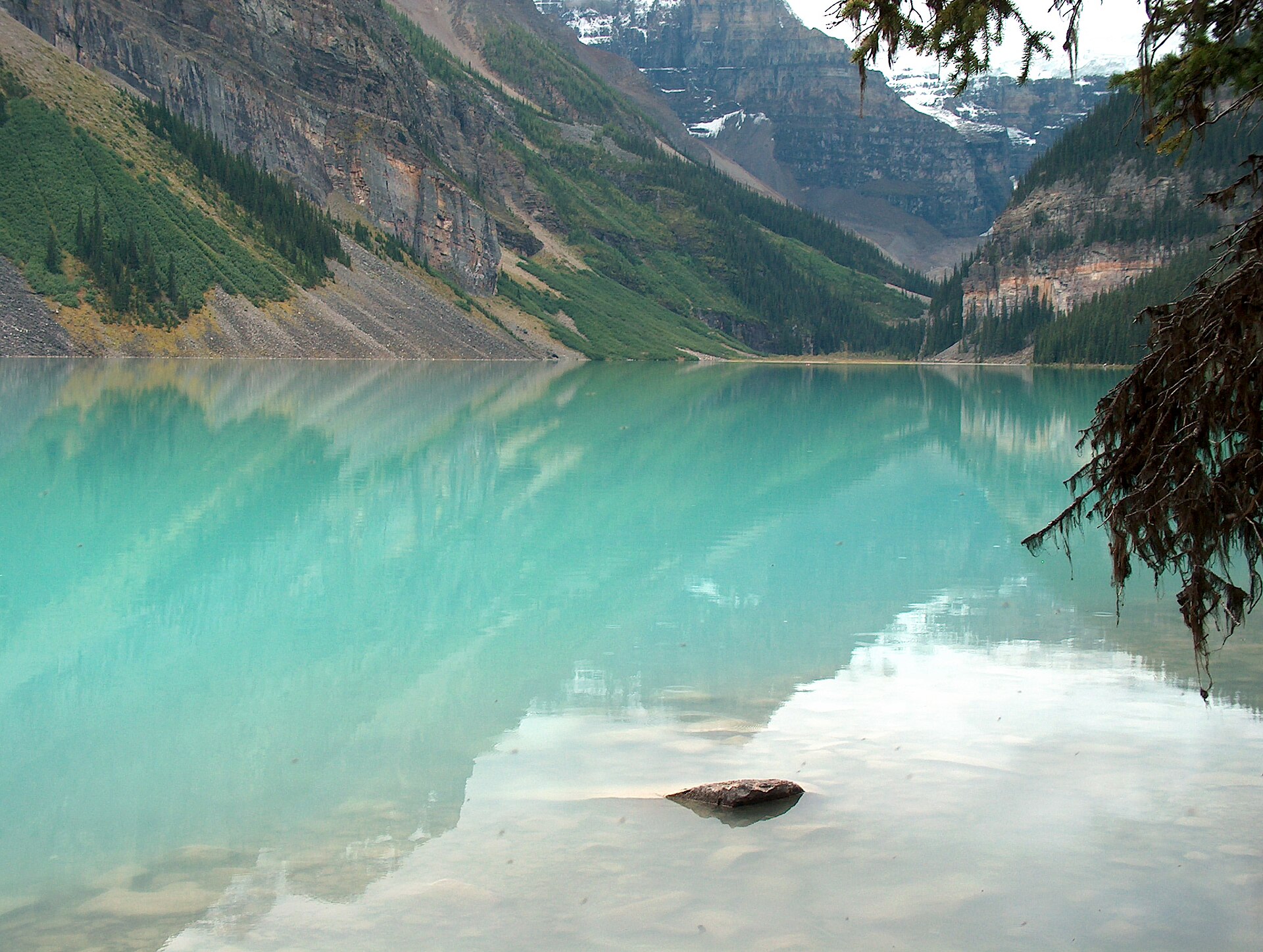
This 7-day Canadian Rockies itinerary is designed for a first trip that combines Banff, Lake Louise, Moraine Lake, the Icefields Parkway, and Jasper. It uses Calgary as the arrival point and Edmonton as the departure point, so the route keeps moving north instead of returning to the same base after the Parkway.
Use the free 7 day Canadian Rockies itinerary Google Sheets template as a starting point, then adjust the hotels, park reservations, trail choices, meals, and driving times for your own trip. The itinerary below explains what each place is known for and how the stops fit together. The Google Sheets travel planner template gives you a broader planning framework with itinerary, checklist, packing, and shared-cost sections.

Itinerary Outline
For a first Canadian Rockies trip, this route uses Banff and Jasper as the main bases, with Lake Louise and Moraine Lake grouped together and the Icefields Parkway used as the central transfer day:
- Day 1: Arrive in Calgary, drive to Banff, and walk around Banff Avenue and Bow Falls
- Day 2: Banff Gondola or Sulphur Mountain, Upper Hot Springs, and Vermilion Lakes
- Day 3: Lake Louise and Moraine Lake
- Day 4: Canmore or another Banff-area day based on your interests
- Day 5: Icefields Parkway, Peyto Lake, the Columbia Icefield area, Athabasca Falls, and Jasper
- Day 6: Jasper townsite, Pyramid Lake, and the lakes around the valley
- Day 7: Valley of Five Lakes or another Jasper morning, then depart toward Edmonton International Airport
This is an ambitious week because it combines two national parks with a long scenic transfer. It works best for travelers who want a range of mountain lakes, viewpoints, short walks, town time, and one memorable road day. If you prefer longer hikes or a slower pace, spend the full week between Banff and Lake Louise and save Jasper for another trip.
Best time and pacing for this Canadian Rockies itinerary
June through September is the most flexible period for this route. Longer daylight and generally better access to higher viewpoints make it easier to combine lakes, short trails, and the Icefields Parkway. July and August are the busiest months, especially around Lake Louise, Moraine Lake, and popular trailheads. September can bring cooler mornings and changing conditions, but it often works well for a trip that prioritizes scenery and walking.
May and October can be rewarding, but the route becomes more dependent on current road, trail, shuttle, and attraction conditions. Some higher trails, lake access services, and seasonal excursions may not be operating on the same schedule as in summer. Winter changes the trip substantially: Banff remains a useful base for skiing, snowshoeing, and winter town activities, while many summer lake and mountain plans need a different approach.
Build flexibility around weather and park conditions. A clear morning is valuable for Lake Louise, Moraine Lake, Peyto Lake, and other viewpoints, while Banff museums, cafés, shops, hot springs, and the shorter town walks are easier to use when conditions change. Check current information from Parks Canada, the Banff bulletins page, and the Jasper bulletins page close to the trip.
Day 1: Calgary to Banff, Banff Avenue, and Bow Falls
Pick up your rental car in Calgary and drive west toward Banff. The drive gives you a straightforward arrival into the Rockies, but leave room for the rental-car process, groceries, a park pass, and traffic before planning a full afternoon of sightseeing.
Banff is the most convenient first base for this route because it has a wide choice of lodging, restaurants, grocery stops, rental shops, and transport options. After checking in, walk along Banff Avenue to get oriented. The main street has cafés, outdoor shops, galleries, restaurants, and views toward the surrounding peaks. It is a useful first look at the town before deciding how much time you want to spend on the more scheduled mountain activities.
Continue to Bow Falls for an easy introduction to the Bow River and the landscape immediately around town. The falls are a convenient viewpoint near Banff that works well on an arrival afternoon. If you still have energy, continue toward the Surprise Corner viewpoint for a different angle across the river and the Fairmont Banff Springs area.
Keep dinner close to your lodging on the first night. Banff has plenty of choices along Banff Avenue and in the surrounding blocks, so you can choose between a casual meal, a grocery stop, or a longer dinner without adding another drive after arrival.
Day 2: Sulphur Mountain, hot springs, and Vermilion Lakes
Use the morning for the Banff Gondola or a hike up Sulphur Mountain. The gondola provides access to the summit ridge and views across Banff, the Bow Valley, and the surrounding ranges. The summit boardwalk is an easy way to extend the visit after the ride, with interpretive points and several viewpoints along the ridge.
If you prefer a more active day and current trail conditions support it, the Sulphur Mountain trail gives you a longer climb through the forest to the same general mountain area.

Spend the middle of the day in Banff town or at the Banff Upper Hot Springs. The hot springs are an easy way to add a relaxed pause after the mountain visit, while a town lunch and time in the shops may be a better fit if you want to keep the afternoon open.
Finish around Vermilion Lakes near Banff. The lakes are a chain of shallow lakes with reflections, mountain views, and a quieter setting close to town. They are especially useful for a late-afternoon or sunset stop when you want scenery without another long transfer. Check the exact current road and viewpoint access before you go, and keep wildlife distance guidance in mind.
Day 3: Lake Louise and Moraine Lake
Give Lake Louise and Moraine Lake a full day. These are the two most logistically sensitive stops on the route because access can depend on shuttle reservations, seasonal road restrictions, weather, and visitor volumes. Parks Canada currently lists shuttle and reservation information for Lake Louise and Moraine Lake, including the fact that Moraine Lake Road is closed to personal vehicles year-round and that shuttle availability changes through the season.
Start at Lake Louise. The lake is known for its turquoise water, the Victoria Glacier backdrop, the lakeshore path, canoeing, and access to longer routes toward Lake Agnes and the Plain of Six Glaciers. Even if you do not plan a full hike, walk the lakeshore far enough to see how the views change beyond the hotel and main dock. The Fairmont Chateau Lake Louise sits at the eastern end and adds historic hotel architecture, restaurants, and a useful reference point for the shoreline.

Continue to Moraine Lake through the approved shuttle or other current permitted access. Moraine Lake is known for the Valley of the Ten Peaks, a compact shoreline viewpoint, canoeing, and access to walks such as the Rockpile Trail and longer routes toward Consolation Lakes. The lake has a different scale from Lake Louise: the peaks feel closer around the water, and even a short visit can provide a strong sense of the valley.
Plan the order around your reservation, since the access window will determine the rest of the day. Parks Canada says the Lake Connector shuttle can connect the two destinations when operating, but confirm the current schedule and reservation conditions before setting your day. Bring layers, water, and footwear that works for both a lakeshore walk and a longer trail option.
Day 4: Canmore and the Bow Valley, or more time around Banff
Use Day 4 as the flexible day of the route. Canmore is a good choice if you want a town with a strong mountain setting, independent cafés, galleries, outdoor shops, and access to the Bow Valley. Walk around Main Street and the nearby river paths, then choose one outdoor stop that matches the weather and energy you have for the day.
The Canmore Nordic Centre has a network of trails and mountain views, with conditions and activities changing by season. Grassi Lakes is another well-known short outing near Canmore, but check current trail notices and parking or access information before going. Canmore is a better fit for travelers who want a day that combines a pleasant town, a meal, and a manageable walk rather than another major ticketed attraction.
If Banff is holding your attention, stay closer to town. Lake Minnewanka offers a larger lake setting, shoreline walks, cruises in the operating season, and access to nearby stops such as Two Jack Lake. Johnston Canyon is another option for waterfalls and a forested canyon walk, subject to current access and trail conditions.
Choose one direction for the day. Canmore, Lake Minnewanka, Johnston Canyon, and several other stops can look close together on a map while still requiring parking, walking, and separate time at each place. Keeping the day focused leaves room to enjoy the route rather than spending it moving between short visits.
Day 5: Icefields Parkway from Banff to Jasper
The drive from Banff to Jasper along the Icefields Parkway is the central travel day of this itinerary. The route is known for glacial valleys, turquoise lakes, high passes, wildlife habitat, and viewpoints that make the drive part of the trip rather than simply a transfer between hotels.
Leave Banff with fuel, food, water, warm layers, and enough time for viewpoints, short walks, road conditions, and unplanned stops. Cell service is not continuous along every part of the route, so download directions and save key reservations before leaving town.
Make Peyto Lake one of the first major stops. The viewpoint looks over a bright glacial lake and the surrounding peaks, and the short uphill walk from the parking area is part of the visit. It is a good example of why the Parkway needs more time than a simple driving estimate: parking, the walk to the viewpoint, weather, and time taking in the landscape all affect the schedule.
Continue toward the Columbia Icefield area. The glacier and visitor-center area is a major high-elevation stop between Banff and Jasper. Tours and interpretive experiences can require advance reservations and operate on seasonal schedules, so decide before the trip whether you want a guided glacier or skywalk experience. If you are keeping the day more flexible, use the area for viewpoints and a meal break instead.

Athabasca Falls is a useful final major stop before Jasper. The waterfall is known for the force of the Athabasca River moving through a narrow canyon, with short paths and viewpoints that make the geology easy to see without a long hike. The stop is close enough to the Parkway to fit the transfer day, and give it time for the walkways and viewpoints.
Continue to Jasper for check-in. If the full route takes longer than expected, arrive in Jasper, have dinner near the townsite, and save a larger evening plan for Day 6.
Day 6: Jasper townsite, Pyramid Lake, and the valley lakes
Use the morning to explore Jasper townsite. Jasper has a smaller, more open feel than Banff, with a grid of streets, cafés, outdoor shops, restaurants, and views toward the surrounding mountains. It is a useful base for a slower day after the Parkway and a good place to pick up food or supplies for the final morning.
Drive or cycle toward Pyramid Lake and Pyramid Island. The lake is known for its mountain reflections, easy shoreline viewpoints, and access to short walks. Pyramid Island is compact, so combine it with more time at the lake rather than expecting it to fill an entire afternoon. Patricia Lake is nearby and gives you another perspective on the valley.
For a gentler afternoon, visit Lake Annette and Lake Edith. These lakes are close to Jasper and offer shoreline views, picnic areas, and an easy way to spend time outside without committing to a long hike. The right choice depends on whether you want a scenic drive, a short walk, a picnic, or more time in the townsite.
Jasper conditions can change as recovery work and park access continue. Parks Canada maintains current information about Jasper National Park recovery and access; check it along with current bulletins before committing to routes around the park.
Day 7: Valley of Five Lakes and departure
If your flight or onward drive allows, use the morning for the Valley of Five Lakes. The trail is known for a series of lakes with changing colors and short forest sections, making it a useful final walk when you want one more outdoor experience without adding another major mountain transfer. Check the current trail report, weather, and time needed for the loop before you leave Jasper.
If the weather is poor or the departure timing is tight, have breakfast in Jasper and start the drive toward Edmonton International Airport with a comfortable buffer. Returning a car at the airport and taking an onward flight from Edmonton can make for a convenient finish; include the one-way rental and airport timing in your original planning. A Calgary round trip is another option if flight prices or rental-car availability make it more practical; it adds a long return drive and changes the pacing of the final days.
Where to stay along the route
Banff
Banff is the most convenient base for the first four nights if you want restaurants, grocery stores, shops, and access to the gondola, hot springs, Vermilion Lakes, Lake Minnewanka, and Lake Louise transport. Staying in the town center makes evening walks easy. Canmore is a useful alternative when you prefer a larger choice of apartment-style lodging, a quieter base, or a lower-cost option, but add the drive time to Banff-area stops.
Lake Louise
Staying in Lake Louise can make an early start easier for Lake Louise and Moraine Lake, but lodging is more limited and the area is quieter after the main sightseeing hours. Use it as a base when lake access is the main priority, not because it offers the same restaurant and service range as Banff.
Jasper
Jasper townsite keeps restaurants, shops, visitor services, and the nearby valley lakes within reach. It is a practical base after the Icefields Parkway and for Pyramid Lake, Lake Annette, Lake Edith, and Valley of Five Lakes. Check current lodging and park-access conditions before booking, since recovery and seasonal operations can affect availability.
Driving, park access, and booking logistics
Reserve the parts of this itinerary that determine the rest of the route:
- A rental car that allows your planned pickup and drop-off, including any one-way fee between Calgary and Edmonton
- Banff and Jasper lodging, especially for summer weekends and popular travel periods
- Parks Canada admission and current park bulletins
- Lake Louise and Moraine Lake access, including the current shuttle or permitted transport arrangement
- Banff Gondola, Columbia Icefield experiences, cruises, or other timed activities you know you want to do
- Any guided hike, rafting, wildlife, or seasonal mountain activity that has a limited schedule
Parks Canada currently says Moraine Lake Road is closed to personal vehicles year-round and that shuttle seats are released in stages during the season. Confirm the current release dates, shuttle routes, and reservation rules on the official Lake Louise and Moraine Lake information page before setting the dates around the two lakes.
The Parks Canada trail conditions page and park bulletins are useful before every trail or viewpoint day. For a route like this, current conditions matter more than a fixed list of stops: weather can change the experience at high elevations, roadwork can alter timing, and a closure may make one of the optional stops a better choice.
For more help planning bases, transfers, and optional stops, see the multi-city trip planning guide. You can also compare this route with the Iceland itinerary, Scotland road trip itinerary, Ireland road trip itinerary, and New Zealand itinerary.
Optional Canadian Rockies itinerary ideas
The itinerary tab includes these alternatives so you can compare different versions of the trip:
- Emerald Lake and Yoho National Park for a lake-and-village day from the Banff or Lake Louise area
- Johnston Canyon for a forested canyon and waterfall walk
- Lake Minnewanka and Two Jack Lake for a closer Banff-area lake day
- Kananaskis for mountain scenery and a different route through the Bow Valley
- Athabasca Falls as an additional Jasper-area waterfall stop if the Day 5 timing changes
- Maligne Lake for a longer Jasper-area lake outing, subject to current road, boat, and park conditions
- Miette Hot Springs for a scenic mountain drive and a warm-water stop near Jasper
- More time in Canmore for cafés, galleries, shops, and a slower Bow Valley day
- More time in Banff or Jasper if you want to add a longer hike instead of another town or viewpoint stop
Each option is on the main itinerary tab with a blank date and time, so it remains available while you decide which version of the Canadian Rockies fits your trip.
What the Canadian Rockies Google Sheets itinerary template includes
The itinerary is also available as a free Google Sheets template. It includes the Banff, Lake Louise, Moraine Lake, Icefields Parkway, and Jasper plan above, with dates, timing, specific locations, links, notes, costs, and categories for the scheduled stops.
The template also includes:
- Unscheduled alternatives on the main Itinerary tab, including Canmore, Emerald Lake, Johnston Canyon, Lake Minnewanka, Maligne Lake, Miette Hot Springs, Kananaskis, and other route options
- A Canadian Rockies checklist for park access, lake shuttles, rental-car logistics, road and weather checks, trail conditions, layers, bear-safe food storage, fuel, offline maps, and travel documents
- A shared-cost section with illustrative examples for the rental car, lodging, park access, shuttles, fuel, activities, and meals that you can replace with your own trip expenses
- Space for lodging confirmations, restaurant links, activity details, ticket references, notes, and other planning information
Start with the free Canadian Rockies itinerary template, then adjust dates, bases, access reservations, driving time, hikes, and optional stops after checking current local information.
How Travel Mapper helps with a Canadian Rockies trip
The free Google Sheets planner keeps your hotels, park access, scenic drives, hikes, meals, costs, checklists, and notes together. With the Travel Mapper Google Sheets add-on, you can see the itinerary on a map while you refine the order of Banff, Lake Louise, Moraine Lake, the Icefields Parkway, and Jasper. That map context makes it easier to compare base locations, identify long transfer days, and decide which optional stops belong in the same version of the trip.
The add-on also provides drag-and-drop itinerary editing, Google Maps autofill, itinerary email, and Google My Maps export. If you are researching a restaurant, viewpoint, shop, or activity, the Travel Mapper Chrome extension can help you add it from the page you are viewing. The free Google Sheets template remains useful on its own; the add-on is the map-powered upgrade when you want those additional planning tools.
If you want to review or edit the trip from your phone while traveling, the Travel Mapper web app works in a mobile browser. When you are ready to use the map-based Google Sheets features, install Travel Mapper from the Google Workspace Marketplace.
Canadian Rockies itinerary FAQ
Is 7 days enough for Banff, Lake Louise, and Jasper?
Seven days is enough for a focused first trip that includes the major lake areas, one Icefields Parkway transfer, and a short Jasper stay. It is not enough to cover every hike, lake, and excursion at a relaxed pace. If you want several long hikes, more time around Jasper, or a full day in Yoho or Kananaskis, add two or three days or remove one of the bases.
Is it better to start in Calgary or Edmonton?
Starting in Calgary and ending in Edmonton works well for this northbound route because it avoids returning along the Icefields Parkway. A Calgary round trip may be simpler or less expensive depending on flights and rental-car availability, but it adds a long return drive. Compare the total rental-car cost, flight times, and final-day driving before choosing.
Do I need a car for this Canadian Rockies itinerary?
A car gives you the most flexibility for the Icefields Parkway, Canmore, viewpoints, and Jasper-area lakes. Banff and Lake Louise have shuttle and tour options for some major destinations, but the full Banff-to-Jasper route is easier to manage with a vehicle or an organized transfer. Check current road, parking, shuttle, and weather conditions before each drive.
When should I book Lake Louise and Moraine Lake access?
Check the current Parks Canada reservation and shuttle information before booking the rest of the itinerary. Moraine Lake Road is closed to personal vehicles, and the allowed access options and reservation timing vary by season. Once you know the lake-access window, use it as the anchor for the rest of Day 3.
Can I use this as a Jasper-only or Banff-only itinerary?
Yes. Keep the rows that fit your trip and remove the transfer or base you are not using. A Banff-only version can add more time for Lake Louise, Yoho, Kananaskis, or longer hikes. A Jasper-focused version can give more space to Maligne Lake, the valley lakes, the Icefields Parkway, and trails around the townsite.
Is the Canadian Rockies itinerary template free?
Yes. You can copy the free Canadian Rockies Google Sheets itinerary template and customize it for your trip. You can use the spreadsheet as a planning template on its own, then try Travel Mapper in Google Sheets when you want to see the itinerary on a map and use the add-on's additional planning features.